Valley Health Associates

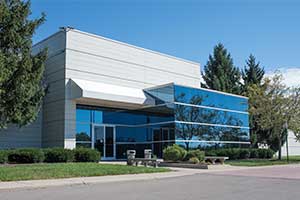
427 Pajaro Street
Salinas, CA. 93901
831-424-6655 x14
Valley Health Associates is 17.3 miles from Gonzales, California
Gonzales, CA has nearby treatment options including: 5 low cost programs, 2 inpatient rehab centers, 3 drug rehabs that take PPO insurance like Cigna, 3 drug detox, 2 outpatient rehabs.

For help finding an addiction treatment center, Call us!
All calls are 100% confidential and free
1-877-882-9275


Valley Health Associates is 17.3 miles from Gonzales, California
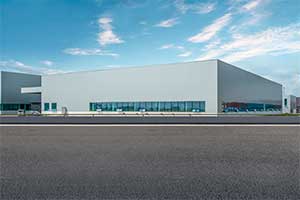
Sun Street Centers is 17.5 miles from Gonzales, California
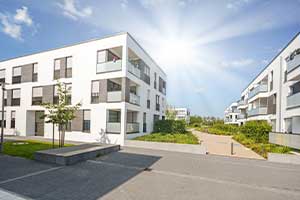
Door to Hope is 17.6 miles from Gonzales, California
Door to Hope has been dedicating its services and programs to helping individuals who are battling drug and alcohol addiction in Gonzales, California and within the surrounding area.
To this end, Door to Hope offers a wide variety of treatment and rehabilitation methods, including inpatient detoxification programs, outpatient substance abuse treatment services, long term drug rehab centers, inpatient treatment programs, short term treatment centers and more. Door to Hope also believes that it is important that it provides individual services to ensure that its clients get the results that they are looking for. This is why Door to Hope is specialized in group therapy, motivational interviewing, cognitive/behavior therapy, behavior modification, anger management, rational emotive behavioral therapy, among other programs.
Door to Hope also provides self-help groups, substance abuse education, child care for clients children, suicide prevention services, veterans, transgender or (LGBT) clients, and offers some of the best aftercare programs - all of which have been proven to further the results its clients expect. This drug and alcohol treatment facility also uses treatment methods that can assist you in achieving long lasting sobriety.
Door to Hope also accepts the following forms of payment - cash or self-payment, private insurance, medicare, medicaid, payment assistance, access to recovery (atr) voucher, county or local government funds and more.

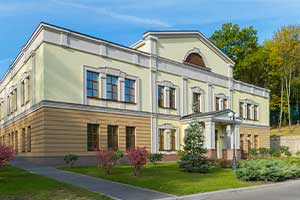
Lakes Treatment Center Inc is 22.7 miles from Gonzales, California
Lakes Treatment Center Inc has been dedicating its treatment services and programs to helping individuals who are struggling with alcohol and drug abuse in Gonzales and within the surrounding area.
Lakes Treatment Center Inc facilitates a wide variety of treatment and rehabilitation methods, including outpatient detox centers, outpatient counseling, long term drug rehab centers, inpatient drug and alcohol rehab facilities, short term addiction treatment centers and more. Lakes Treatment Center Inc also believes that it is vital that it presents tailored services to ensure that individuals get the results that they are looking for. This is why Lakes Treatment Center Inc is specialized in group therapy, motivational interviewing, cognitive/behavior therapy, behavior modification, anger management, rational emotive behavioral therapy, among other programs.
Lakes Treatment Center Inc also provides self-help groups, substance abuse education, child care for clients children, suicide prevention services, veterans, transgender or (LGBT) clients, and offers some of the best continued recovery programs - all of which have been proved to be useful in helping its clients. This drug and alcohol treatment program also uses treatment methods that can assist you in achieving long lasting sobriety.
Lakes Treatment Center Inc also accepts the following types of payment - private pay, private medical insurance, medicare, medicaid, payment assistance, access to recovery (atr) voucher, county or local government funds and more.
National Non Profit Helpline - 1-877-882-9275
Our National Non Profit Helpline is a 24/7, 365-day-a-year treatment referral and information service for individuals and families faced with mental and/or substance use disorders.
All calls are strictly confidential
Our service provides referrals to licensed treatment facilities, support groups, and community-based organizations. You don't have to struggle alone with addiction. Help is just a phone call away. Call 1-877-882-9275 now to get the help you need and deserve.



© Copyright 1998 - 2022 All Rights Reserved. Content is protected under copyright laws, do not use content without written permission.
