
795 Willow Road
Menlo Park, CA. 94025
650-324-1470
Menlo Park, CA has nearby choices for addiction treatment including: 3 medicaid programs, 1 inpatient rehab center, 1 drug rehab that takes PPO insurance like UnitedHealthCare, 1 drug and alcohol detox, 2 outpatient rehabs.

For help finding an addiction treatment center, Call us!
All calls are 100% confidential and free
1-877-882-9275




Service League of San Mateo County is 2.3 miles from Menlo Park, California
Service League of San Mateo County is known for dedicating its addiction services to the individuals who struggle with drug and alcohol use issues in the Menlo Park area.
Programs are provided on an individual basis to make sure clients achieve full recovery in the long term. Service League of San Mateo County also specializes in cognitive/behavior therapy, motivational interviewing, trauma therapy, trauma-related counseling, group therapy, 12-step facilitation approach, and others - as well as many other treatment modalities such as social skills development, legal advocacy, treatment for spanish-speaking clients, persons with eating disorders, housing services, substance abuse education, and more.
Additionally, Service League of San Mateo County has programs such as long term drug rehab facilities, inpatient drug rehab centers, short term rehabs, inpatient detoxification programs, intensive outpatient treatment for verifiable addictions to alcohol and drugs. The drug and alcohol rehab program uses treatment methods that can provide permanent stability to any person with a drug and alcohol use disorder. Finally, Service League of San Mateo County accepts individuals with different kinds of payment methods - including private pay, private medical insurance, payment assistance, sliding fee scale, state education funds, access to recovery (atr) voucher and others.

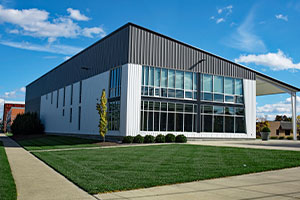
Our Common Ground Inc is 2.5 miles from Menlo Park, CA

Free at Last is 3 miles from Menlo Park, CA
Several medications have been approved by the U.S. Food and Drug Administration (FDA) for the treatment of addiction to alcohol and certain types of drugs. The specific medication used can depend on the substance the person is addicted to, their overall health, and other individual factors. Here are a few examples:
For Alcohol Addiction:
For Opioid Addiction:
For Nicotine Addiction:
Drug addiction can have far-reaching consequences not only for the individual struggling with substance use, but also for their family unit. Family members may experience various emotional, social, and financial challenges as a result of a loved one's addiction. Some of the ways drug addiction can impact the family unit include:
"People with substance use disorders engage in their behavior for various reasons, often complex and interconnected. Understanding these reasons is crucial to treating addiction. Here are some common factors:
Pleasure Seeking: Drugs often produce intense feelings of pleasure, euphoria, or relief from pain. The initial high can be so powerful that individuals continue using the substance to experience that feeling again.
Escape or Self-Medication: Many people use drugs as a way to escape from reality or cope with difficult feelings, trauma, stress, or mental health conditions such as anxiety, depression, or PTSD. Drugs can temporarily dull these feelings, but they do not address the root cause of the distress.
Physical Dependence: Over time, the body can develop a physical dependence on the substance, requiring it to function normally. Without the substance, the individual may experience unpleasant or even life-threatening withdrawal symptoms.
Psychological Dependence: Even after physical dependence is managed, psychological cravings can persist. The desire to use drugs can become a powerful mental urge that dominates a person's thoughts and behaviors.
Peer Pressure or Social Influence: The influence of friends or social circles where drug use is common can encourage initial use or ongoing abuse of drugs.
Genetic Factors and Early Exposure: Genetics can play a role in vulnerability to addiction, as can exposure to drugs at a young age or in the prenatal period.
Lack of Coping Mechanisms: Without healthy coping strategies for life's stresses and challenges, some people turn to drugs as a way of dealing with these issues.
Changes in Brain Function: Long-term substance use can lead to changes in the brain that result in increased cravings and decreased ability to resist drug use, despite harmful consequences.
National Non Profit Helpline - 1-877-882-9275
Our National Non Profit Helpline is a 24/7, 365-day-a-year treatment referral and information service for individuals and families faced with mental and/or substance use disorders.
All calls are strictly confidential
Our service provides referrals to licensed treatment facilities, support groups, and community-based organizations. You don't have to struggle alone with addiction. Help is just a phone call away. Call 1-877-882-9275 now to get the help you need and deserve.



© Copyright 1998 - 2022 All Rights Reserved. Content is protected under copyright laws, do not use content without written permission.
