

115 Teri Court
Vallejo, CA. 94589
707-553-1042
Vallejo, CA has a few different treatment options: 3 medicaid treatment centers, 4 inpatient rehab centers, 5 drug rehabs that take private insurance like BCBS, 2 detox centers, 2 outpatient rehabs.

For help finding an addiction treatment center, Call us!
All calls are 100% confidential and free
1-877-882-9275You can now filter our treatment results to show you tailored rehab programs that fit your exact needs. Just choose the type of treatment you are looking for, a payment type such as private insurance or low cost, and any specialized treatment approach you are interested in. Click submit and we will provide a list of alcohol and drug rehab centers that match your criteria.




Bi Bett Corp has been offering ongoing addiction treatment and rehab services to people who live in the Vallejo area. Today, Bi Bett Corp provides services like substance abuse counseling approach, couple/family therapy, group therapy, group therapy, matrix model, trauma therapy and others in keeping with its philosophy of following rehabilitation treatments that work best to help people achieve recovery.
This drug and alcohol rehab center also believes that individual care for each client is the best way to provide them with the best form of treatment. Services are available in the following settings - short term rehab programs, long term treatment facilities, inpatient drug rehab facilities, outpatient detox facilities, outpatient substance abuse counseling and others.
For long term abstinence, sobriety and full recovery Bi Bett Corp offers an aftercare program. Lastly, Bi Bett Corp accepts cash or self-payment, private insurance, sliding fee scale, military insurance, state welfare or child and family services funds, access to recovery (atr) voucher and others as payment forms.


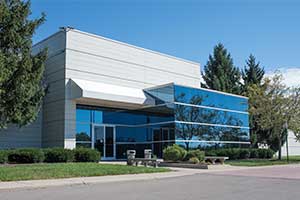
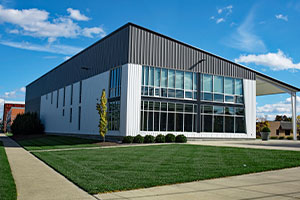
Jblockshin and Associates LLC has been providing addiction treatment and rehabilitation services to the residents of Vallejo, CA. and those living within the surrounding communities. Today, Jblockshin and Associates LLC offers services like substance abuse counseling approach, couple/family therapy, group therapy, group therapy, matrix model, trauma therapy and others in line with its philosophy of following rehab treatments that work best to help people achieve sobriety.
This addiction treatment center also believes the best form of treatment to ensure success is to offer individualized care. Services are available in the following settings - short term drug rehab programs, long term drug and alcohol rehab facilities, inpatient drug and alcohol rehabs, detox programs, outpatient individual counseling and others.
It also believes that an aftercare program is integral in promoting recovery in the long term. Lastly, Jblockshin and Associates LLC accepts private pay, private insurance, sliding fee scale, military insurance, state welfare or child and family services funds, access to recovery (atr) voucher and others as forms of payment.
Educate yourself: Learn about drug addiction, its causes, symptoms, and treatment options. Understanding the complexities of addiction will help you better empathize with the person and offer informed support.
Yes, many insurance companies do provide coverage for substance abuse treatment, but the extent and specifics of the coverage can vary widely depending on the individual insurance policy and the provider.
This coverage is largely due to the Mental Health Parity and Addiction Equity Act of 2008 in the United States, which requires health insurers and group health plans to provide the same level of benefits for mental and/or substance use treatment and services that they do for medical/surgical care.
Here's a closer look at some key aspects:
Types of Treatment Covered: Many insurance policies cover a range of substance abuse treatments, including detoxification, inpatient rehab, outpatient rehab, medication-assisted treatment, and ongoing counseling or therapy. However, the specific treatments covered will depend on your particular insurance policy.
Co-Pays and Deductibles: Even if an insurance policy covers substance abuse treatment, you may still be responsible for co-pays, deductibles, or coinsurance. These costs can vary depending on the specifics of your insurance plan.
Network Restrictions: Some insurance plans may only cover treatment provided by certain providers or facilities within their network. It's important to check with your insurance company to determine which providers are covered under your plan.
Preauthorization: Some insurance plans require preauthorization for certain types of substance abuse treatment. This means that the treatment must be approved by the insurance company before they will cover the cost.
Duration of Coverage: The duration of coverage for substance abuse treatment can vary. Some insurance plans may only cover a certain number of days of inpatient treatment or a certain number of therapy sessions, for example.
Affordable Care Act (ACA): Under the ACA, all health insurance plans sold on Health Insurance Exchanges must cover substance use disorder services.
Recognizing whether you have an addiction problem involves self-reflection and a honest assessment of your behaviors, thoughts, and emotions related to substance use or compulsive behaviors. Addiction is characterized by an inability to control or abstain from a substance or behavior despite negative consequences and a preoccupation with the addictive substance or behavior. Here are some signs and symptoms that may indicate an addiction problem:
If you recognize any of these signs and symptoms in your own life, it may be an indication that you have an addiction problem. It is important to seek help from a healthcare professional, addiction counselor, or support group to discuss your concerns and explore available treatment options. Remember, addiction is a complex and chronic condition, but recovery is possible with the appropriate support and intervention.
National Non Profit Helpline - 1-877-882-9275
Our National Non Profit Helpline is a 24/7, 365-day-a-year treatment referral and information service for individuals and families faced with mental and/or substance use disorders.
All calls are strictly confidential
Our service provides referrals to licensed treatment facilities, support groups, and community-based organizations. You don't have to struggle alone with addiction. Help is just a phone call away. Call 1-877-882-9275 now to get the help you need and deserve.



© Copyright 1998 - 2022 All Rights Reserved. Content is protected under copyright laws, do not use content without written permission.

