

334 South Patterson Avenue
Santa Barbara, CA. 93111
805-962-7800
Santa Barbara, CA has numerous choices for addiction treatment including: 4 medicare treatment centers, 4 inpatient drug rehabs, 8 drug rehabs that take private insurance like Blue Cross Blue Shield, 3 drug and alcohol detox, 10 outpatient treatment programs.

For help finding an addiction treatment center, Call us!
All calls are 100% confidential and free
1-877-882-9275You can now filter our treatment results to show you tailored rehab programs that fit your exact needs. Just choose the type of treatment you are looking for, a payment type such as private insurance or low cost, and any specialized treatment approach you are interested in. Click submit and we will provide a list of alcohol and drug rehab centers that match your criteria.



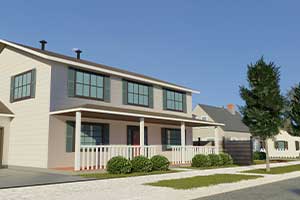
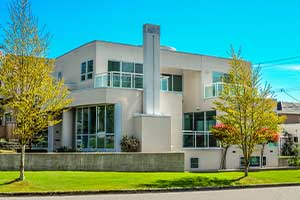
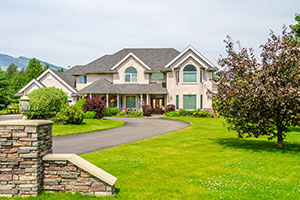
Sanctuary Arlington Day Treatment Ctr has been providing recovery care and rehab services to people who live in the Santa Barbara, CA. area. Today, Sanctuary Arlington Day Treatment Ctr offers services like trauma-related counseling, matrix model, brief intervention approach, activity therapy, dialectical behavior therapy, group therapy and others in keeping with its philosophy of following rehabilitation treatments that work best to help people achieve recovery.
This drug and alcohol treatment facility also thinks that the way to get the best result for the client is to offer individual care. Services are available in the following settings - inpatient drug addiction treatment, short term addiction treatment facilities, inpatient detoxification programs, outpatient hospital programs, long term rehab centers and others.
For long term abstinence, sobriety and full recovery Sanctuary Arlington Day Treatment Ctr offers an aftercare program. Lastly, Sanctuary Arlington Day Treatment Ctr accepts private medical insurance, cash or self-payment, sliding fee scale, military insurance, state education funds, state corrections or juvenile justice funds and others as forms of payment.

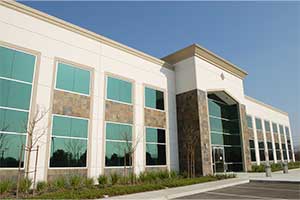
Good Heart Recovery has been offering ongoing addiction treatment and rehabilitation services to residents of the Santa Barbara, California area. Today, Good Heart Recovery provides services like trauma-related counseling, matrix model, brief intervention approach, activity therapy, dialectical behavior therapy, group therapy and others in line with its belief of following rehab treatments that work best to help people achieve recovery.
This alcohol and drug treatment facility also thinks that the way to get the best result for the client is to offer individual care. Services are available in the following settings - inpatient drug and alcohol rehab facilities, short term drug rehab centers, outpatient detoxification centers, outpatient individual counseling, long term drug addiction treatment and others.
It also believes that an aftercare program is integral in promoting recovery in the long term. Lastly, Good Heart Recovery accepts private medical insurance, private pay, sliding fee scale, military insurance, state education funds, state corrections or juvenile justice funds and others as forms of payment.

Aegis Treatment Centers LLC has been providing ongoing recovery treatment and rehabilitation services to residents of the Santa Barbara, California area. Today, Aegis Treatment Centers LLC provides services like trauma-related counseling, matrix model, brief intervention approach, activity therapy, dialectical behavior therapy, group therapy and others in keeping with its philosophy of following rehabilitation treatments that work best to help people achieve recovery.
This alcohol and drug rehab center also believes that individual care for each client is the best way to provide them with the best form of treatment. Services are available in the following settings - inpatient drug and alcohol rehab centers, short term drug and alcohol rehab centers, detox centers, outpatient substance abuse treatment services, long term treatment centers and others.
It also believes that an aftercare program is integral in promoting recovery in the long term. Lastly, Aegis Treatment Centers LLC accepts private insurance, cash or self-payment, sliding fee scale, military insurance, state education funds, state corrections or juvenile justice funds and others as forms of payment.
American Indian Health Services has been offering ongoing addiction treatment and rehabilitation services to the residents of Santa Barbara and those living within the surrounding communities. Today, American Indian Health Services offers services like trauma-related counseling, matrix model, brief intervention approach, activity therapy, dialectical behavior therapy, group therapy and others in line with its philosophy of following rehab treatments that work best to help people achieve recovery.
This alcohol and drug rehab facility also believes that individual care for each client is the best way to provide them with the best form of treatment. Services are available in the following settings - inpatient addiction treatment centers, short term addiction treatment facilities, detoxification programs, outpatient counseling, long term treatment programs and others.
For long term abstinence, sobriety and full recovery American Indian Health Services offers an aftercare program. Lastly, American Indian Health Services accepts private insurance, cash or self-payment, sliding fee scale, military insurance, state education funds, state corrections or juvenile justice funds and others as forms of payment.
Mission Harbor Behavioral Health has been providing ongoing recovery care and rehabilitation services to residents of the Santa Barbara, California area. Today, Mission Harbor Behavioral Health provides services like trauma-related counseling, matrix model, brief intervention approach, activity therapy, dialectical behavior therapy, group therapy and others in line with its belief of following rehabilitation treatments that work best to help clients achieve recovery.
This alcohol and drug rehab also thinks that the way to get the best result for the client is to offer individual care. Services are available in the following settings - inpatient treatment programs, short term drug rehab facilities, outpatient detox centers, outpatient counseling, long term drug and alcohol rehab facilities and others.
Mission Harbor Behavioral Health also offers aftercare programs to ensure that its clients achieve positive outcomes both in the short and in the long term. Lastly, Mission Harbor Behavioral Health accepts private medical insurance, private pay, sliding fee scale, military insurance, state education funds, state corrections or juvenile justice funds and others as payment forms.
SAMHSA, or the Substance Abuse and Mental Health Services Administration, is an U.S. federal agency within the Department of Health and Human Services (HHS). Established in 1992, its primary mission is to reduce the impact of substance abuse and mental illness on American communities. SAMHSA focuses on improving the quality and availability of prevention, treatment, and rehabilitation services related to substance use disorders and mental health conditions.
Some of the key functions and responsibilities of SAMHSA include:
To support its mission, SAMHSA operates various centers, such as the Center for Substance Abuse Prevention, the Center for Substance Abuse Treatment, and the Center for Mental Health Services. Additionally, the agency manages the National Helpline (1-800-662-HELP), a confidential, free, 24/7, 365-day-a-year treatment referral and information service for individuals and families facing mental health and/or substance use disorders.
"Dealing with a sibling addicted to drugs is challenging and often emotionally draining. Here are several strategies to consider when navigating this difficult situation:
Education: The first step is to educate yourself about addiction. Understanding that addiction is a chronic disease can help you comprehend the struggles your sibling is going through.
Communication: Open lines of communication with your sibling. Speak honestly about your concerns, but avoid judgmental language. Express your love and concern rather than blame and anger.
Support, Don't Enable: It's important to support your sibling without enabling their addiction. This means helping them in ways that promote recovery, such as providing emotional support or helping them access treatment, but not shielding them from the consequences of their actions.
Encourage Treatment: Advocate for your sibling to seek professional help. This could be a rehab facility, outpatient treatment, therapy, or 12-step programs. Offer to accompany them to appointments or meetings if they are comfortable with it.
Take Care of Yourself: Living with a sibling's addiction can be emotionally taxing. It's crucial to take care of your mental and emotional health too. Seek support from friends, family, or support groups. Professional help, such as therapy or counseling, can also be very beneficial.
Set Boundaries: It's necessary to set boundaries with your sibling to protect your own well-being. This might include rules about drug use in your home or not providing money that could be used to buy drugs.
Patience and Persistence: Recovery is a long process and relapses can occur. It's important to stay patient and persistent, and to maintain hope for your sibling's recovery.
Involve a Professional: If you're finding it hard to get through to your sibling, consider staging an intervention with the help of a professional counselor or intervention specialist.
Practice Compassion: It's essential to remember that your sibling is battling a disease. Stay compassionate and understanding, and remind them that they are loved and valued regardless of their struggle with addiction.
Inpatient drug rehab provides a structured environment for individuals recovering from substance use disorders. The specific details of a typical day can vary between facilities, but most will follow a general schedule that includes therapeutic activities, meals, free time, and sleep. Here's a rough outline of what a day in an inpatient rehab might look like:
Morning:
Afternoon:
Evening:
Throughout the day, residents may also have scheduled times for medication (if applicable), physical exercise, and meeting with their treatment team. The goal of this structured daily routine is to provide a stable, supportive environment that promotes healing and recovery.
It's important to note that the exact schedule and types of activities will vary between different rehab centers and individual treatment plans. When choosing a rehab center, it can be helpful to ask about the daily schedule and types of therapies offered to ensure it aligns with your needs and preferences.
National Non Profit Helpline - 1-877-882-9275
Our National Non Profit Helpline is a 24/7, 365-day-a-year treatment referral and information service for individuals and families faced with mental and/or substance use disorders.
All calls are strictly confidential
Our service provides referrals to licensed treatment facilities, support groups, and community-based organizations. You don't have to struggle alone with addiction. Help is just a phone call away. Call 1-877-882-9275 now to get the help you need and deserve.



© Copyright 1998 - 2022 All Rights Reserved. Content is protected under copyright laws, do not use content without written permission.


