

83844 Hopi Avenue
Indio, CA. 92201
760-347-9442
Indio, CA has a number of treatment choices: 2 low cost programs, 3 inpatient rehabs, 3 drug rehabs that take private insurance like UnitedHealthCare, 1 drug detox, 2 outpatient treatment programs.

For help finding an addiction treatment center, Call us!
All calls are 100% confidential and free
1-877-882-9275




Riverside Cnty Latino Commission on has long been dedicated to helping its clients recovery after a period of abusing drugs and alcohol. It has been doing this within Indio and in the surrounding areas for quite some time. Riverside Cnty Latino Commission on provides services like activity therapy, group therapy, dual diagnosis drug rehab, 12-step facilitation approach, trauma therapy, trauma-related counseling - which are all representative of their rehabilitation and treatment philosophies. Riverside Cnty Latino Commission on believes that clients need specially tailored treatment programs to achieve recovery. This is why it offers several programs, like domestic violence, persons with serious mental illness, housing services, transgender or (LGBT) clients, seniors or older adults, active duty military - among other services listed in the following sections.
In the same way, Riverside Cnty Latino Commission on offers short term addiction treatment facilities, inpatient detoxification centers, outpatient substance abuse counseling, long term drug and alcohol rehabs, inpatient drug and alcohol rehab programs and others. Riverside Cnty Latino Commission on has continued recovery programs that are designed to help clients maintain their sobriety. This addiction treatment center also uses treatment types that can help you achieve and maintain a full recovery.
Finally, Riverside Cnty Latino Commission on accepts private health insurance, private pay, sliding fee scale, payment assistance, other state funds, county or local government funds, as well as others.
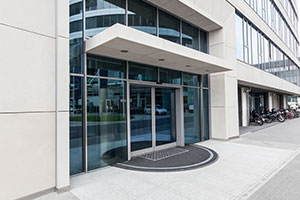

Indio Substance Abuse has long been dedicated to helping individuals recovery after a period of alcohol and drug addiction. It has been doing this within Indio, California and in the surrounding communities for quite some time. Indio Substance Abuse offers services like activity therapy, group therapy, dual diagnosis drug rehab, 12-step facilitation approach, trauma therapy, trauma-related counseling - which are all representative of their rehabilitation and treatment philosophies. In addition to, Indio Substance Abuse believes that clients need unique and individualized treatment approaches to achieve lasting recovery. This is why it offers various programs, like domestic violence, persons with serious mental illness, housing services, transgender or (LGBT) clients, seniors or older adults, active duty military - among other services listed in the following sections.
Indio Substance Abuse offers short term drug rehab facilities, inpatient detox facilities, intensive outpatient treatment, long term drug and alcohol rehab centers, inpatient drug and alcohol rehab programs and others. Indio Substance Abuse has relapse prevention programs that are useful in helping clients after they check out of rehab. This drug and alcohol treatment program also uses treatment methods that can help you achieve and maintain a full recovery.
Finally, Indio Substance Abuse accepts private insurance, private pay, sliding fee scale, payment assistance, other state funds, county or local government funds, as well as others.
"The 12-step method for treating addiction is a structured, peer-based approach that originated with Alcoholics Anonymous (AA) in the 1930s. Since then, it has been adapted for various other substance use disorders and behavioral addictions, including Narcotics Anonymous (NA), Gamblers Anonymous (GA), and Overeaters Anonymous (OA), among others. The method is based on a set of guiding principles, known as the 12 steps, that outline a path to recovery, personal growth, and spiritual development.
The 12 steps of the method are as follows:
The 12-step method emphasizes the importance of peer support, mutual aid, and the sharing of personal experiences as a means of overcoming addiction. Participants typically attend regular meetings, where they share their stories, listen to others, and work through the steps at their own pace. Many 12-step programs also encourage members to find a sponsor, an experienced member who has worked through the steps and can provide guidance, support, and accountability during the recovery process."
Yes, Medicaid, the U.S. government's health insurance program for individuals with low income, does cover substance use disorder services, including drug rehabilitation. However, the specific services covered and the extent of coverage can vary from state to state, as Medicaid is a joint federal and state program.
Commonly, Medicaid coverage can include services such as:
Screening and assessment: This helps to determine the level of addiction and the most suitable treatment plan.
Outpatient counseling: This can include individual therapy, group therapy, and family therapy.
Inpatient care: This includes residential treatment programs where individuals receive intensive care, usually for severe addictions.
Medication-assisted treatment: Medications can be used to help manage withdrawal symptoms, reduce cravings, and treat any co-occurring mental health conditions.
Follow-up care and long-term maintenance: This could include case management services, peer supports, and other recovery services.
It's important to note that while Medicaid does cover drug rehabilitation services, there might be certain eligibility criteria to meet or pre-authorization requirements. Furthermore, not all treatment centers accept Medicaid, so it's crucial to check with the specific facility about their payment options.
For the most accurate information, individuals should contact their state's Medicaid office or visit the official Medicaid website.
Recovery from drug and alcohol addiction is an unique and individualized process. However, there are several key principles that are commonly recognized as important for successful recovery. These principles include:
National Non Profit Helpline - 1-877-882-9275
Our National Non Profit Helpline is a 24/7, 365-day-a-year treatment referral and information service for individuals and families faced with mental and/or substance use disorders.
All calls are strictly confidential
Our service provides referrals to licensed treatment facilities, support groups, and community-based organizations. You don't have to struggle alone with addiction. Help is just a phone call away. Call 1-877-882-9275 now to get the help you need and deserve.



© Copyright 1998 - 2022 All Rights Reserved. Content is protected under copyright laws, do not use content without written permission.

