

344 West 2nd Street
San Bernardino, CA. 92401
909-884-2722 x240
San Bernardino, CA has a number of treatment choices: 0 medicare treatment center, 0 inpatient rehab, 1 drug rehab that takes PPO insurance like Cigna, 0 detox center, 6 outpatient treatment programs.

For help finding an addiction treatment center, Call us!
All calls are 100% confidential and free
1-877-882-9275You can now filter our treatment results to show you tailored rehab programs that fit your exact needs. Just choose the type of treatment you are looking for, a payment type such as private insurance or low cost, and any specialized treatment approach you are interested in. Click submit and we will provide a list of alcohol and drug rehab centers that match your criteria.



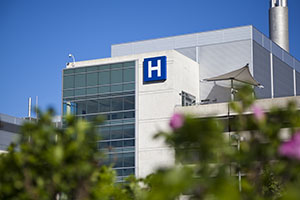
Inland Behavioral and Health Services has been offering ongoing addiction care and rehabilitation services to the residents of San Bernardino, CA. and those living within the surrounding communities. Today, Inland Behavioral and Health Services provides services like behavior modification, dual diagnosis drug rehab, group therapy, rational emotive behavioral therapy, substance abuse counseling approach, group therapy and others in keeping with its philosophy of following rehab treatments that work best to help people achieve sobriety.
This alcohol and drug rehabilitation program also believes the best form of treatment to ensure success is to offer individualized care. Services are available in the following settings - inpatient detoxification centers, long term drug addiction treatment, short term rehabs, outpatient day treatment, inpatient drug rehab programs and others.
Inland Behavioral and Health Services also offers aftercare programs to ensure that its clients achieve positive outcomes both in the short and in the long term. Lastly, Inland Behavioral and Health Services accepts private insurance, private pay, sliding fee scale, military insurance, state education funds, access to recovery (atr) voucher and others as forms of payment.
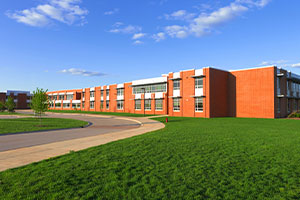


MFI Recovery Center has been providing ongoing recovery treatment and rehab services to residents of the San Bernardino area. Today, MFI Recovery Center provides services like behavior modification, dual diagnosis drug rehab, group therapy, rational emotive behavioral therapy, substance abuse counseling approach, group therapy and others in line with its belief of following rehabilitation treatments that work best to help addicts achieve recovery.
This alcohol and drug treatment facility also thinks that the way to get the best result for the client is to offer individual care. Services are available in the following settings - outpatient detoxification programs, long term rehab facilities, short term rehab programs, outpatient individual counseling, inpatient addiction treatment facilities and others.
For long term abstinence, sobriety and full recovery MFI Recovery Center offers an aftercare program. Lastly, MFI Recovery Center accepts private medical insurance, private pay, sliding fee scale, military insurance, state education funds, access to recovery (atr) voucher and others as payment forms.
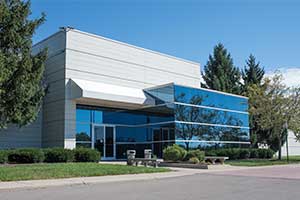
Veterans Alcoholic Rehab Prog (VARP) has been providing ongoing addiction treatment and rehab services to people who live in the San Bernardino, California area. Today, Veterans Alcoholic Rehab Prog (VARP) provides services like behavior modification, dual diagnosis drug rehab, group therapy, rational emotive behavioral therapy, substance abuse counseling approach, group therapy and others in line with its philosophy of following rehab treatments that work best to help clients achieve recovery.
This addiction treatment center also believes that individual care for each client is the best way to provide them with the best form of treatment. Services are available in the following settings - detoxification programs, long term rehab programs, short term rehabs, intensive outpatient treatment, inpatient drug and alcohol rehab programs and others.
For long term abstinence, sobriety and full recovery Veterans Alcoholic Rehab Prog (VARP) offers an aftercare program. Lastly, Veterans Alcoholic Rehab Prog (VARP) accepts private insurance, cash or self-payment, sliding fee scale, military insurance, state education funds, access to recovery (atr) voucher and others as forms of payment.

Mental Health Systems Inc/PRIDE has been providing addiction care and rehab services to people who live in the San Bernardino, California area. Today, Mental Health Systems Inc/PRIDE provides services like behavior modification, dual diagnosis drug rehab, group therapy, rational emotive behavioral therapy, substance abuse counseling approach, group therapy and others in line with its philosophy of following rehab treatments that work best to help people achieve sobriety.
This drug and alcohol rehab program also believes that individual care for each client is the best way to provide them with the best form of treatment. Services are available in the following settings - detoxification programs, long term addiction treatment programs, short term rehabs, intensive outpatient treatment, inpatient drug rehab programs and others.
It also believes that an aftercare program is integral in promoting recovery in the long term. Lastly, Mental Health Systems Inc/PRIDE accepts private medical insurance, private pay, sliding fee scale, military insurance, state education funds, access to recovery (atr) voucher and others as payment forms.
The most common substance use disorder globally is alcohol use disorder (AUD). This disorder, often referred to as alcoholism, is characterized by an impaired ability to stop or control alcohol use despite adverse social, occupational, or health consequences.
Alcohol use disorder is defined by the American Psychiatric Association in the Diagnostic and Statistical Manual of Mental Disorders (DSM-5) as a problematic pattern of alcohol use leading to clinically significant impairment or distress, as manifested by at least two of eleven criteria, within a 12-month period.
The criteria include issues like spending a lot of time drinking, or recovering from drinking, giving up important social or recreational activities in favor of drinking, developing a tolerance (needing to drink more to achieve the desired effect), experiencing withdrawal symptoms when not drinking, and continuing to drink even when it's causing physical or psychological problems.
It's important to note that substance use disorders can develop with the use of many different substances, including illicit drugs like cocaine or heroin, and legal substances like alcohol or prescription medications. The prevalence of these disorders can vary by region and demographic group.
Regardless of the substance involved, these disorders can have serious impacts on individuals' physical and mental health, relationships, and ability to work or study. Treatment can often help people with substance use disorders to recover and lead healthy lives. If you or someone you know is struggling with substance use, don't hesitate to seek professional help.
In the mental health field, drug addiction is commonly referred to as a "Substance Use Disorder" (SUD). This term is used in the Diagnostic and Statistical Manual of Mental Disorders, Fifth Edition (DSM-5), which is the standard classification of mental disorders used by mental health professionals in the United States.
A Substance Use Disorder is defined as a pattern of behaviors characterized by an inability to control or cut down on use, spending a lot of time obtaining the substance, craving the substance, failing to fulfill obligations at work, school, or home due to substance use, and continuing to use the substance despite knowing it's causing physical or psychological harm.
Substance Use Disorders can be further categorized based on the specific substance involved, such as Alcohol Use Disorder, Opioid Use Disorder, Cannabis Use Disorder, and so forth. The severity of the disorder is also assessed (mild, moderate, or severe) based on the number of diagnostic criteria met by an individual.
It's worth noting that this terminology emphasizes the understanding of drug addiction as a medical disorder, rather than a moral failing or a matter of willpower. This shift in language is part of a larger effort to reduce stigma and promote a more compassionate, effective approach to treatment.
Supporting an adult child in their recovery process can be a challenging yet crucial role. Here are some ways you can provide support:
Educate Yourself: Learn about addiction and the recovery process. Understanding the nature of your child's struggle can help you provide more effective support and reduce misperceptions and stigma.
Encourage Treatment: Encourage your child to seek professional help and stay engaged with their treatment plan. This could involve therapy, counseling, medication-assisted treatment, and/or participation in a recovery support group.
Be Patient and Understanding: Recovery is a long and challenging process that often involves setbacks. Be patient with your child's progress and provide emotional support and encouragement.
Promote Healthy Lifestyle: Encourage your child to maintain a healthy lifestyle. This could involve supporting them in adopting healthy eating habits, regular physical activity, and adequate sleep. Also, help them find healthy coping mechanisms and hobbies to replace substance use.
Support Their Independence: It's important for your adult child to feel capable and independent. While it's important to support them, avoid taking over their responsibilities. Instead, encourage them to take charge of their own recovery.
Set Boundaries: Clear, healthy boundaries are crucial in any relationship, but especially when dealing with addiction. Communicate your limits openly and honestly. For example, you might make it clear that you won't provide financial support for substance use.
Attend Family Therapy: Consider participating in family therapy or counseling. This can help you understand how to better support your child, improve communication, and address any issues within the family dynamic that may contribute to the substance use disorder.
Join a Support Group: Consider joining a support group for parents of adults with substance use disorders. These groups can provide understanding, advice, and resources.
Take Care of Yourself: Remember, you can't pour from an empty cup. Ensure you're taking care of your own physical and mental health too. Seek support when you need it, and take time for self-care.
National Non Profit Helpline - 1-877-882-9275
Our National Non Profit Helpline is a 24/7, 365-day-a-year treatment referral and information service for individuals and families faced with mental and/or substance use disorders.
All calls are strictly confidential
Our service provides referrals to licensed treatment facilities, support groups, and community-based organizations. You don't have to struggle alone with addiction. Help is just a phone call away. Call 1-877-882-9275 now to get the help you need and deserve.



© Copyright 1998 - 2022 All Rights Reserved. Content is protected under copyright laws, do not use content without written permission.


