
125 West F Street
Ontario, CA. 91762
909-986-4550
Ontario, CA has nearby choices for addiction treatment including: 4 low cost treatment centers, 2 inpatient treatment centers, 4 drug rehabs that take private insurance like Aetna, 4 drug and alcohol detox, 2 outpatient rehabs.

For help finding an addiction treatment center, Call us!
All calls are 100% confidential and free
1-877-882-9275You can now filter our treatment results to show you tailored rehab programs that fit your exact needs. Just choose the type of treatment you are looking for, a payment type such as private insurance or low cost, and any specialized treatment approach you are interested in. Click submit and we will provide a list of alcohol and drug rehab centers that match your criteria.



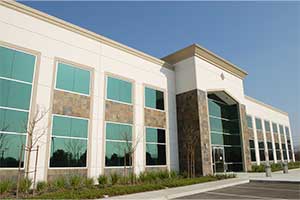
CLARE Matrix is dedicated to assisting any person with an alcohol or drug abuse problem in the local community find full recovery. It provides several services - such as short term drug rehab programs, intensive outpatient treatment, long term rehab facilities, inpatient drug rehab facilities, outpatient detox facilities and others - in line with its philosophy of the recovery treatment and rehab modalities that are effective in recovery. This alcohol and drug treatment facility also believes that people need individual care and treatment to be able to stop abusing drugs and alcohol.
As such, CLARE Matrix specializes in group therapy, activity therapy, couple/family therapy, dual diagnosis drug rehab, anger management, contingency management/motivational incentive and more. At the same time, it accepts clients who are co-occurring mental and substance abuse disorders, substance abuse education, residential beds for client's children, programs for the hearing impaired, housing services, clients with HIV/AIDS, and others. This substance abuse treatment center uses care methods that can help clients to maintain sobriety and abstinence from the substances abused in the past.
In terms of payment, clients in CLARE Matrix can pay for services using private pay, private medical insurance, payment assistance, military insurance, state corrections or juvenile justice funds, state welfare or child and family services funds and others.



Inland Valley Drug and Alcohol is 3 miles from Ontario, CA


His House Palm Recovery is 3.3 miles from Ontario, California
His House Palm Recovery is dedicated to helping any person with an alcohol or drug use disorder in Ontario, CA. and within the surrounding neighborhoods find full recovery. It provides several programs - such as short term rehab programs, outpatient day treatment, long term drug abuse treatment, inpatient drug and alcohol rehabs, inpatient detoxification programs and others - in line with its philosophy of the addiction treatment and rehabilitation methods that are effective in recovery. This drug and alcohol rehab program also believes that clients need individual care and treatment to be able to maintain their sobriety.
As such, His House Palm Recovery specializes in group therapy, activity therapy, couple/family therapy, dual diagnosis drug rehab, anger management, contingency management/motivational incentive and more. At the same time, it accepts patients who are co-occurring mental and substance abuse disorders, substance abuse education, residential beds for client's children, programs for the hearing impaired, housing services, clients with HIV/AIDS, and others. This alcohol and drug treatment facility uses treatment modalities that can assist patients to achieve sobriety and abstinence from the substances abused in the past.
In terms of payment, clients in His House Palm Recovery can pay for services using private pay, private health insurance, payment assistance, military insurance, state corrections or juvenile justice funds, state welfare or child and family services funds and others.
Yes, research indicates that genetic factors can play a significant role in an individual's susceptibility to drug and alcohol addiction, although they are only part of the picture. It's estimated that genetics account for approximately 40-60% of a person's vulnerability to addiction, with the remaining risk coming from environmental and psychological factors.
Here's a closer look at the role of genetics in substance use disorders:
Genetic Predisposition: Certain genetic variations can influence how an individual reacts to drugs or alcohol. For example, some people might experience a more intense "high," or they might not get unpleasant side effects that deter others from continued use. These genetic differences can increase the likelihood of repeated use and, ultimately, addiction.
Co-occurring Disorders: Genetic factors can also contribute to mental health disorders such as depression, anxiety, or bipolar disorder. Individuals with these conditions are often at a higher risk for substance abuse and addiction, creating a potential link between genetic predisposition to these mental health conditions and increased risk for addiction.
Family History: A family history of addiction can indicate a possible genetic predisposition. If close relatives, such as parents or siblings, have struggled with addiction, an individual may be more likely to develop a substance use disorder. However, a family history of addiction also often comes with certain environmental factors that can increase risk, such as exposure to substance use at a young age or a lack of stable, supportive family structures.
Epigenetics: Epigenetics, or changes in gene expression due to experiences and environment, can also play a role in addiction. For instance, exposure to high levels of stress or trauma can cause changes in the way genes function, potentially increasing susceptibility to addiction.
However, it's essential to understand that while genetics can increase the risk for addiction, they do not determine destiny. Environmental factors such as exposure to drugs, family environment, peer influences, and individual resilience can heavily influence whether a person with a genetic predisposition will develop a substance use disorder. Furthermore, effective prevention and treatment strategies can help individuals at risk for or struggling with addiction to lead healthy, fulfilling lives.
"The Cognitive Behavioral Method, or Cognitive Behavioral Therapy (CBT), is an evidence-based psychological approach for treating addiction that focuses on identifying and modifying dysfunctional thought patterns, beliefs, and behaviors that contribute to substance use disorders. CBT is grounded in the understanding that an individual's thoughts, feelings, and behaviors are interconnected, and by changing maladaptive thought patterns and behaviors, they can better manage their emotions and reduce their reliance on addictive substances.
CBT for addiction treatment typically involves the following key components:
CBT for addiction treatment can be delivered in individual, group, or family therapy settings and is often used in conjunction with other treatment modalities, such as medication-assisted treatment (MAT), peer support groups, or motivational interviewing. CBT has been found to be effective in treating various substance use disorders, including alcohol, opioid, and stimulant addiction, as well as co-occurring mental health disorders, such as anxiety and depression."
Yes, in the United States, there are several forms of government assistance that can help pay for rehab.
Medicaid: Medicaid is a state and federal program that provides health coverage for some low-income people, families and children, pregnant women, the elderly, and people with disabilities. Many states' Medicaid programs provide coverage for a range of substance use disorder services, including detoxification, outpatient counseling, residential treatment, medication-assisted treatment, and more. The specific services covered and eligibility criteria can vary by state.
Medicare: Medicare, a federal program primarily for people age 65 and older, also provides coverage for some substance use disorder treatment. This can include inpatient rehab, outpatient treatment services, and medication-assisted treatment.
The Affordable Care Act (ACA): The ACA, also known as Obamacare, requires health insurance plans sold on the Health Insurance Marketplace to cover substance use disorder services. This means that individuals who purchase insurance through the Marketplace can access rehab services, often at a lower cost due to income-based subsidies.
Substance Abuse and Mental Health Services Administration (SAMHSA): SAMHSA offers grants to states and organizations to provide treatment and recovery services for individuals with substance use disorders. Individuals may be able to access services funded by these grants at little or no cost.
State and Local Government Programs: Many states and localities have their own programs to help residents access substance use disorder treatment. These programs may offer direct funding for treatment, operate state-funded treatment facilities, or provide vouchers to pay for private treatment.
Veterans Affairs (VA): The VA provides a range of substance use disorder treatment services to eligible veterans, including detoxification, rehab, outpatient counseling, and medication-assisted treatment.
Indian Health Service (IHS): The IHS provides a comprehensive health service delivery system for approximately 2.6 million American Indians and Alaska Natives, including services for substance use disorders.
National Non Profit Helpline - 1-877-882-9275
Our National Non Profit Helpline is a 24/7, 365-day-a-year treatment referral and information service for individuals and families faced with mental and/or substance use disorders.
All calls are strictly confidential
Our service provides referrals to licensed treatment facilities, support groups, and community-based organizations. You don't have to struggle alone with addiction. Help is just a phone call away. Call 1-877-882-9275 now to get the help you need and deserve.



© Copyright 1998 - 2022 All Rights Reserved. Content is protected under copyright laws, do not use content without written permission.
