

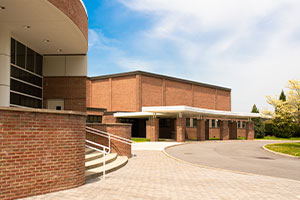
1105-1111 North El Dorado Street
Stockton, CA. 95202
209-938-0228
Stockton, CA has a number of treatment choices: 3 medicaid treatment centers, 1 inpatient drug rehab, 3 drug rehabs that take private insurance like Cigna, 3 detox centers, 5 outpatient treatment programs.

For help finding an addiction treatment center, Call us!
All calls are 100% confidential and free
1-877-882-9275You can now filter our treatment results to show you tailored rehab programs that fit your exact needs. Just choose the type of treatment you are looking for, a payment type such as private insurance or low cost, and any specialized treatment approach you are interested in. Click submit and we will provide a list of alcohol and drug rehab centers that match your criteria.



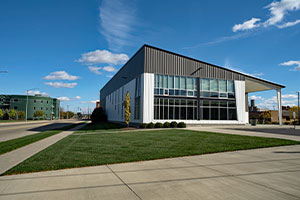
Phone: 209-451-0315
The Stockton Circle of Friends Adult Program is a private addiction rehab facility located in Stockton, California. Their continuum of care includes inpatient care, intensive outpatient treatment, and regular outpatient support for individuals who struggle with alcohol and drug addiction. Their programs are specialized to the following demographics: Men, adults, members of the LGBTQ community, young adults, and those with HIV/AIDS. They offer therapy from bilingual therapists and provide payment assistance to make services more financially accessible to needy patients.
Phone: 209-468-3720
San Joaquin's Behavioral Health Services include the Chemical Dependency Counseling Center. This center offers its outpatient services to the following individuals: Adults, youth up to the age of 18, and pregnant women. The youth they treat are eligible as long as they are referred by the court, while their services for pregnant women are offered through a specialized perinatal treatment program. The center uses the ASAM screening tool to evaluate patient needs and determine the appropriate care.
Phone: 209-644-6328
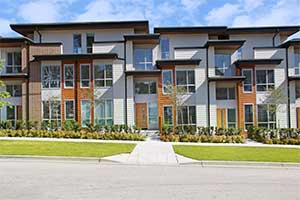
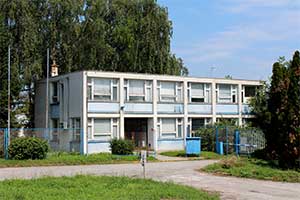
The Service First Outpatient Program in Stockton's many programs include an outpatient drug and alcohol treatment program for adults. Founded in 2002, this licensed program is designed to be financially accessible. It also serves as an alternative sentencing program to help patients pursue sobriety while avoiding incarceration. Part of this program's services include women's group sessions that address topics often encountered by women. Their fees are based on a sliding sale and they accept a variety of payment types to make their services more affordable for needy patients.
Phone: 209-464-7627
The Alcohol Recovery Center's DUI Freedom Programs offer outpatient substance abuse treatment services for adult men and women within the area of Stockton, California. These services include evidence-based treatment approaches such as behavioral therapy, individual and group counseling, relapse prevention, trauma-related counseling, and motivational interviewing.
Phone: 209-461-2000
Saint Joseph's Behavioral Health Center, a member of Dignity Health's network of providers, is a licensed, not-for-profit facility in Stockton, California. This center provides a wide range of behavioral health services focused on treating a number of psychiatric disorders and substance use disorder. Their continuum of care includes a 35-bed residential treatment program, a day program, outpatient services, and behavioral evaluations. They offer these services within an environment that welcomes and supports families of patients as well.
Educate yourself: Learn about drug addiction, its causes, symptoms, and treatment options. Understanding the complexities of addiction will help you better empathize with the person and offer informed support.
In the mental health field, drug addiction is commonly referred to as a "Substance Use Disorder" (SUD). This term is used in the Diagnostic and Statistical Manual of Mental Disorders, Fifth Edition (DSM-5), which is the standard classification of mental disorders used by mental health professionals in the United States.
A Substance Use Disorder is defined as a pattern of behaviors characterized by an inability to control or cut down on use, spending a lot of time obtaining the substance, craving the substance, failing to fulfill obligations at work, school, or home due to substance use, and continuing to use the substance despite knowing it's causing physical or psychological harm.
Substance Use Disorders can be further categorized based on the specific substance involved, such as Alcohol Use Disorder, Opioid Use Disorder, Cannabis Use Disorder, and so forth. The severity of the disorder is also assessed (mild, moderate, or severe) based on the number of diagnostic criteria met by an individual.
It's worth noting that this terminology emphasizes the understanding of drug addiction as a medical disorder, rather than a moral failing or a matter of willpower. This shift in language is part of a larger effort to reduce stigma and promote a more compassionate, effective approach to treatment.
"The 12-step method for treating addiction is a structured, peer-based approach that originated with Alcoholics Anonymous (AA) in the 1930s. Since then, it has been adapted for various other substance use disorders and behavioral addictions, including Narcotics Anonymous (NA), Gamblers Anonymous (GA), and Overeaters Anonymous (OA), among others. The method is based on a set of guiding principles, known as the 12 steps, that outline a path to recovery, personal growth, and spiritual development.
The 12 steps of the method are as follows:
The 12-step method emphasizes the importance of peer support, mutual aid, and the sharing of personal experiences as a means of overcoming addiction. Participants typically attend regular meetings, where they share their stories, listen to others, and work through the steps at their own pace. Many 12-step programs also encourage members to find a sponsor, an experienced member who has worked through the steps and can provide guidance, support, and accountability during the recovery process."
National Non Profit Helpline - 1-877-882-9275
Our National Non Profit Helpline is a 24/7, 365-day-a-year treatment referral and information service for individuals and families faced with mental and/or substance use disorders.
All calls are strictly confidential
Our service provides referrals to licensed treatment facilities, support groups, and community-based organizations. You don't have to struggle alone with addiction. Help is just a phone call away. Call 1-877-882-9275 now to get the help you need and deserve.



© Copyright 1998 - 2022 All Rights Reserved. Content is protected under copyright laws, do not use content without written permission.

