
468 Pine Avenue
Pacific Grove, CA. 93950
831-372-2334
Pacific Grove, CA has nearby choices for addiction treatment including: 5 low cost treatment centers, 2 inpatient drug rehabs, 2 drug rehabs that take PPO insurance like Aetna, 3 detox centers, 2 outpatient treatment programs.

For help finding an addiction treatment center, Call us!
All calls are 100% confidential and free
1-877-882-9275



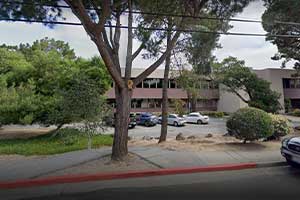
Community Human Services is 4.7 miles from Pacific Grove, CA
Community Human Services is dedicated to helping any person with an alcohol or drug use disorder in the Pacific Grove, CA. area find full recovery. It provides several programs - such as outpatient detoxification facilities, short term drug treatment, inpatient rehab centers, long term drug abuse treatment, outpatient substance abuse treatment services and others - in keeping with its belief of the addiction care and rehabilitation modalities that are effective in recovery. This addiction treatment center also believes that clients require individual care to be able to maintain their sobriety.
As such, Community Human Services specializes in behavior modification, cognitive/behavior therapy, vocational rehabilitation services, relapse prevention, contingency management/motivational incentive, trauma-related counseling and more. Similarly, it accepts patients who are substance abuse education, persons who have experienced sexual abuse, domestic violence, programs for the hearing impaired, legal advocacy, veterans, and others. This addiction treatment center uses treatment methods that can help clients to achieve sobriety from the substances of abuse that they have used in the past.
In terms of payment, clients in Community Human Services can pay for services using private health insurance, private pay, military insurance, medicaid, medicare, other state funds, state welfare or child and family services funds and others.

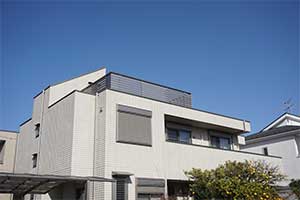
Door to Hope is 15.2 miles from Pacific Grove, California
Door to Hope is dedicated to helping anyone with a drug or alcohol abuse disorder in the Pacific Grove, CA. area find complete recovery. It offers several programs - such as detox centers, short term drug rehab programs, inpatient rehabs, long term drug addiction treatment, outpatient individual counseling and others - in line with its philosophy of the addiction care and rehab modalities that work in recovery. This drug and alcohol treatment program also believes that people need individual care to be able to stop abusing drugs and alcohol.
As such, Door to Hope has specialized in behavior modification, cognitive/behavior therapy, vocational rehabilitation services, relapse prevention, contingency management/motivational incentive, trauma-related counseling and more. Similarly, it accepts clients who are substance abuse education, persons who have experienced sexual abuse, domestic violence, programs for the hearing impaired, legal advocacy, veterans, and others. This drug and alcohol rehab center uses care modalities that can help clients to achieve lasting and permanent abstinence from the substances of abuse that they have used in the past.
In terms of payment, clients in Door to Hope can pay for services using private health insurance, private pay, military insurance, medicare, medicaid, other state funds, state welfare or child and family services funds and others.

Valley Health Associates is 15.6 miles from Pacific Grove, California
Opioid addiction is a chronic condition characterized by compulsive use of opioids despite harmful consequences. Recognizing the symptoms of opioid addiction can help in providing timely intervention and support for the affected individual. Some common symptoms of opioid addiction include:
If you're seeking help for your addiction to drugs and have limited financial resources, there are several options available to you. These organizations and services can provide support, counseling, and treatment at little to no cost:
Drug addiction, often referred to as Substance Use Disorder (SUD) in the mental health field, is a complex condition characterized by compulsive drug use despite harmful consequences. It's considered a brain disease because drugs change the brain's structure and how it works, leading to changes that can persist long after the cessation of drug use. Here are several reasons why it's not simply a matter of willpower to stop using drugs:
Physical Dependence: Repeated drug use can lead to physical dependence, where the body adapts to the drug and requires it to function normally. Abruptly stopping the drug can lead to withdrawal symptoms, which can be uncomfortable or even dangerous, creating a compelling reason to continue using the drug.
Changes in Brain Function: Drug use can disrupt critical brain areas involved in reward, motivation, learning, judgment, and memory. This can lead to intense cravings for the drug and impaired ability to resist drug use, even in the face of negative consequences.
Co-occurring Mental Health Disorders: Many individuals with substance use disorders also have other mental health disorders, such as depression, anxiety, or post-traumatic stress disorder. These individuals may use drugs as a way to self-medicate, making it difficult to stop without treating the underlying condition.
Environmental Factors: Social and environmental cues can trigger cravings and make it difficult to avoid substance use. This can include things like spending time with friends who use drugs, living in a stressful or chaotic environment, or even visiting places where they used to use drugs.
Psychological Factors: Some individuals may use drugs to cope with stress, trauma, or other adverse experiences. Without healthier coping mechanisms and support, it can be very challenging to stop using drugs.
It's essential to understand that addiction is a chronic disease, similar to diabetes or heart disease, and not a moral failing or lack of discipline. Just as with other chronic diseases, treatment often isn't a matter of simply deciding to stop. It usually involves medical intervention, behavioral therapies, and long-term support. With the right treatment and support, recovery from addiction is entirely possible.
National Non Profit Helpline - 1-877-882-9275
Our National Non Profit Helpline is a 24/7, 365-day-a-year treatment referral and information service for individuals and families faced with mental and/or substance use disorders.
All calls are strictly confidential
Our service provides referrals to licensed treatment facilities, support groups, and community-based organizations. You don't have to struggle alone with addiction. Help is just a phone call away. Call 1-877-882-9275 now to get the help you need and deserve.



© Copyright 1998 - 2022 All Rights Reserved. Content is protected under copyright laws, do not use content without written permission.
