

628 South 8th Street
Banning, CA. 92220
951-849-9491
Banning, CA has several nearby treatment choices including: 3 low cost programs, 1 inpatient rehab center, 3 drug rehabs that take private insurance like BCBS, 1 detox center, 2 outpatient treatment programs.

For help finding an addiction treatment center, Call us!
All calls are 100% confidential and free
1-877-882-9275


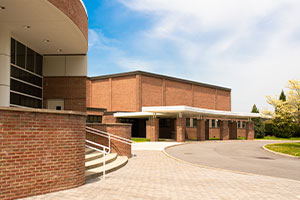
Like other substance abuse treatment facilities, MFI Recovery Center is committed to ongoing recovery for drug and alcohol addicts living in the Banning area. As such, this drug and alcohol rehab center has been offering care like matrix model, group therapy, contingency management/motivational incentive, dual diagnosis drug rehab, trauma therapy, brief intervention approach and more, which is in line with its philosophy of the treatments that actually work to help addicts recover from their condition (s).
In Addition, MFI Recovery Center knows that it is important that its patients receive individualized care to make sure that they get effective results. This is why it specializes in various programs such as active duty military, residential beds for client's children, persons with eating disorders, self-help groups, programs for the hearing impaired, domestic violence and many other modes of treatment that you can find listed in the following section. Each of the services that the organization provides are also available in a variety of settings - short term addiction treatment facilities, outpatient detox facilities, inpatient drug rehab centers, long term drug and alcohol rehab facilities, outpatient substance abuse counseling and more.
This rehab also has aftercare programs that can help you achieve permanent sobriety both in the short and in the long term. Finally, MFI Recovery Center accepts cash or self-payment, private medical insurance, medicare, medicaid, payment assistance, other state funds, state education funds and others.


Like other drug and alcohol rehab centers, California Highlands Addiction Trt is dedicated to long term recovery for alcohol and drug addicts living in the local community. As such, this addiction treatment program has been offering care like matrix model, group therapy, contingency management/motivational incentive, dual diagnosis drug rehab, trauma therapy, brief intervention approach and more.
Further, California Highlands Addiction Trt believes that it is important that its patients receive individual focus and services to ensure that they get effective results. They specialize in various programs such as active duty military, residential beds for client's children, persons with eating disorders, self-help groups, programs for the hearing impaired, domestic violence and others that you can find listed in the following section. These services that California Highlands Addiction Trt offers are also available in a variety of settings - short term drug and alcohol rehab facilities, outpatient detoxification programs, inpatient addiction treatment centers, long term drug and alcohol rehab facilities, outpatient hospital programs and more.
This rehab also has aftercare plans and other treatment methods that can help you find permanent sobriety both in the short and in the long term. Finally, California Highlands Addiction Trt accepts cash or self-payment, private insurance, medicaid, medicare, payment assistance, other state funds, state education funds and others.
While going "cold turkey," or suddenly stopping the use of opioids, might seem like a fast way to begin recovery, it's generally not recommended due to the severity of withdrawal symptoms and potential health risks.
Opioid withdrawal can be intensely uncomfortable and, in some cases, hazardous. Symptoms can include severe cravings, restlessness, muscle and bone pain, insomnia, diarrhea, vomiting, cold flashes, and involuntary leg movements. In severe cases, withdrawal can lead to serious dehydration or electrolyte imbalances.
Furthermore, abruptly stopping opioid use can significantly increase the risk of relapse. The discomfort of withdrawal symptoms may make it more difficult to stay abstinent, and an individual may be tempted to use again just to relieve these symptoms. If a person relapses and takes the same dose they were previously accustomed to, the risk of overdose is high because the body's tolerance to the substance has decreased.
For these reasons, opioid withdrawal should ideally be managed under the supervision of healthcare professionals. Medication-assisted treatment (MAT), which includes medications like methadone, buprenorphine (Suboxone), and naltrexone, can be used to help reduce withdrawal symptoms and cravings. These medications work by acting on the same brain receptors targeted by opioids, but they do so in a safer manner that helps to manage withdrawal and reduce the risk of relapse.
In addition to MAT, counseling and behavioral therapies are typically part of a comprehensive treatment program for opioid use disorder. These approaches can help individuals develop the skills and strategies needed to maintain recovery in the long term.
Opioid addiction is a chronic condition characterized by compulsive use of opioids despite harmful consequences. Recognizing the symptoms of opioid addiction can help in providing timely intervention and support for the affected individual. Some common symptoms of opioid addiction include:
Fentanyl is a powerful synthetic opioid analgesic that has garnered significant attention in recent years due to its role in the opioid crisis. Here are some essential facts about fentanyl:
Potency: Fentanyl is estimated to be 50 to 100 times more potent than morphine and 25 to 50 times more potent than heroin. Due to its high potency, it is prescribed in micrograms (mcg) rather than the milligrams (mg) typically used for other opioids.
Medical use: Fentanyl is primarily used in medical settings to manage severe pain, such as chronic pain or breakthrough pain in cancer patients. It is also used as an anesthetic during surgical procedures. Fentanyl is available in various forms, including transdermal patches, lozenges, tablets, and injections.
Illicit use: Fentanyl has become a significant concern in the illicit drug market due to its potency and relatively low production cost. Illegal fentanyl is often mixed with other drugs, such as heroin, cocaine, or counterfeit prescription pills, increasing the risk of overdose for unsuspecting users.
Overdose risk: Fentanyl's potency makes it particularly dangerous, as even a small amount can cause an overdose. Signs of fentanyl overdose include slow or shallow breathing, unresponsiveness, pinpoint pupils, cold and clammy skin, and loss of consciousness. Fentanyl overdoses can be fatal if not promptly treated.
Naloxone: Naloxone, also known as Narcan, is an opioid antagonist that can rapidly reverse the effects of a fentanyl overdose by displacing the drug from the opioid receptors in the brain. Due to fentanyl's potency, multiple doses of naloxone may be necessary to reverse an overdose effectively.
Fentanyl analogs: There are numerous fentanyl analogs or derivatives, such as carfentanil, acetylfentanyl, and furanylfentanyl. These analogs can have varying potencies, often significantly stronger than fentanyl itself, which can further increase the risk of overdose and fatalities.
Legal classification: Fentanyl is a Schedule II controlled substance in the United States, indicating that it has a high potential for abuse and dependence but also has accepted medical uses. Illicit fentanyl and its analogs are often classified as Schedule I substances, indicating that they have no accepted medical use and a high potential for abuse.
Addiction and dependence: Fentanyl, like other opioids, carries a risk of addiction and physical dependence. Chronic use can lead to tolerance, requiring higher doses to achieve the same effect, and withdrawal symptoms if usage is reduced or stopped abruptly.
National Non Profit Helpline - 1-877-882-9275
Our National Non Profit Helpline is a 24/7, 365-day-a-year treatment referral and information service for individuals and families faced with mental and/or substance use disorders.
All calls are strictly confidential
Our service provides referrals to licensed treatment facilities, support groups, and community-based organizations. You don't have to struggle alone with addiction. Help is just a phone call away. Call 1-877-882-9275 now to get the help you need and deserve.



© Copyright 1998 - 2022 All Rights Reserved. Content is protected under copyright laws, do not use content without written permission.


