

737 East Grand Avenue
Escondido, CA. 92025
760-745-8478
Escondido, CA has a few different treatment options: 1 medicare treatment center, 3 inpatient rehab centers, 2 drug rehabs that take PPO insurance like BCBS, 3 drug and alcohol detox, 3 outpatient treatment programs.

For help finding an addiction treatment center, Call us!
All calls are 100% confidential and free
1-877-882-9275You can now filter our treatment results to show you tailored rehab programs that fit your exact needs. Just choose the type of treatment you are looking for, a payment type such as private insurance or low cost, and any specialized treatment approach you are interested in. Click submit and we will provide a list of alcohol and drug rehab centers that match your criteria.




Harmony Grove Recovery has long been dedicated to helping its clients recovery after a period of alcohol and drug addiction. It has been doing this within Escondido, CA. and in the surrounding areas for quite some time. Harmony Grove Recovery provides services like activity therapy, couple/family therapy, individual psychotherapy, dialectical behavior therapy, contingency management/motivational incentive, substance abuse counseling approach - all of which represent their treatment philosophy. Additionally, Harmony Grove Recovery believes that clients need individual focus and treatment for them to find full recovery treatment. This is why it offers various programs, like seniors or older adults, aftercare/continuing care, active duty military, programs for the hearing impaired, self-help groups, transgender or (LGBT) clients - among other services listed in the following sections.
Harmony Grove Recovery offers long term treatment programs, short term drug rehab centers, outpatient hospital programs, inpatient drug abuse treatment, outpatient detoxification centers and others. Harmony Grove Recovery has continued recovery programs that are useful in helping clients after they complete treatment. This addiction treatment center also uses treatment types that can help you achieve and maintain a full recovery.
Finally, Harmony Grove Recovery accepts private health insurance, cash or self-payment, sliding fee scale, payment assistance, other state funds, state education funds, as well as others.
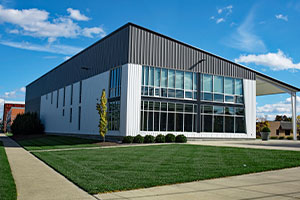
Mission Treatment Services Inc has long been dedicated to helping individuals recovery after a period of drug and alcohol addiction. It has been doing this within Escondido, California and in the surrounding communities for many years now. Mission Treatment Services Inc provides services like activity therapy, couple/family therapy, individual psychotherapy, dialectical behavior therapy, contingency management/motivational incentive, substance abuse counseling approach - all of which represent their treatment philosophy. Additionally, Mission Treatment Services Inc believes that clients need specially tailored treatment programs to achieve recovery. This is why it offers various programs, like seniors or older adults, aftercare/continuing care, active duty military, programs for the hearing impaired, self-help groups, transgender or (LGBT) clients - among other services listed in the following sections.
Mission Treatment Services Inc offers long term addiction treatment programs, short term drug rehab centers, outpatient substance abuse counseling, inpatient treatment programs, inpatient detoxification centers and others. Further, Mission Treatment Services Inc has aftercare plans that are useful in helping clients after they check out of rehab. This alcohol and drug treatment program also uses treatment methods that can help you create both lasting and permanent stability.
Finally, Mission Treatment Services Inc accepts private insurance, private pay, sliding fee scale, payment assistance, other state funds, state education funds, as well as others.

North County Serenity House has long been dedicated to assisting its clients recovery after a period of drug and alcohol addiction. It has been doing this within Escondido and in the surrounding communities for many years now. North County Serenity House provides services like activity therapy, couple/family therapy, individual psychotherapy, dialectical behavior therapy, contingency management/motivational incentive, substance abuse counseling approach - which are all representative of their rehabilitation and treatment philosophies. In addition to, North County Serenity House believes that clients need specially tailored treatment programs to achieve recovery. This is why it offers several programs, like seniors or older adults, aftercare/continuing care, active duty military, programs for the hearing impaired, self-help groups, transgender or (LGBT) clients - among other services listed in the following sections.
North County Serenity House offers long term rehabs, short term addiction treatment centers, outpatient day treatment, inpatient drug abuse treatment, detox facilities and others. Further, North County Serenity House has continued recovery programs that are useful in helping clients after they complete treatment. This drug and alcohol rehabilitation program also uses treatment methods that can help you achieve lasting sobriety.
Finally, North County Serenity House accepts private health insurance, private pay, sliding fee scale, payment assistance, other state funds, state education funds, as well as others.
McAlister Institute for Trt and Educ has long been dedicated to helping individuals recovery after a period of drug and alcohol addiction. It has been doing this within Escondido, CA. and in the surrounding areas for quite some time. McAlister Institute for Trt and Educ offers services like activity therapy, couple/family therapy, individual psychotherapy, dialectical behavior therapy, contingency management/motivational incentive, substance abuse counseling approach - which are all in line with their philosophy of the treatments and rehabilitation programs that work. In addition, McAlister Institute for Trt and Educ believes that clients need individual focus and treatment for them to find full recovery treatment. This is why it offers several programs, like seniors or older adults, aftercare/continuing care, active duty military, programs for the hearing impaired, self-help groups, transgender or (LGBT) clients - among other services listed in the following sections.
McAlister Institute for Trt and Educ offers long term drug and alcohol rehab programs, short term treatment programs, outpatient substance abuse treatment services, inpatient rehab programs, detox facilities and others. McAlister Institute for Trt and Educ has aftercare plans that are useful in helping clients after they complete treatment. This alcohol and drug rehab program also uses treatment methods that can help you create both lasting and permanent stability.
Finally, McAlister Institute for Trt and Educ accepts private health insurance, private pay, sliding fee scale, payment assistance, other state funds, state education funds, as well as others.
"Triggers are specific events, emotions, situations, or people that can prompt someone with a history of substance abuse to feel a strong urge or craving to use drugs or alcohol again. These triggers can be external or internal, and they can vary greatly between individuals based on their unique experiences, environment, and psychological makeup. Recognizing and managing triggers is a critical part of the recovery process. Here are some common types of triggers:
Emotional Triggers: Strong emotions, both positive and negative, can act as triggers. Stress, anger, sadness, loneliness, anxiety, and even joy or excitement can prompt a desire to use substances as a way to cope or to enhance the emotional state.
Environmental Triggers: Certain locations, sounds, smells, or time of day associated with past substance use can elicit cravings. This could be places where the person used to use or buy drugs, people they used with, or even certain songs or smells linked to their past use.
Social Triggers: Social situations or specific individuals can serve as triggers, especially if they involve substance use or if the people involved were part of the person's drug-using past.
Physical Triggers: Physical discomfort, illness, or fatigue can potentially lead to cravings, as can the sight of drug paraphernalia or substances themselves.
Psychological Triggers: Thoughts or memories associated with drug use, low self-esteem, boredom, or mental health conditions such as depression or anxiety can also act as triggers.
Celebrations or Special Occasions: Birthdays, holidays, anniversaries, or other celebrations can be triggers, particularly if substance use was a past part of those events.
Drug and alcohol abuse can have severe consequences for any community, and the African American community is no exception. While it is important to recognize that substance abuse affects individuals from all racial and ethnic backgrounds, certain factors and challenges may uniquely impact the African American community. Some effects of drug and alcohol abuse in the African American community include:
Addressing the effects of drug and alcohol abuse in the African American community requires comprehensive, culturally sensitive approaches that take into account the unique challenges faced by this population. This may include increasing access to quality healthcare, providing culturally competent substance abuse treatment, addressing systemic issues such as racial discrimination and socioeconomic disparities, and fostering community-based support networks and resources to promote resilience and recovery.
Yes, alcohol withdrawal can be fatal in severe cases, which is why it should always be managed under the supervision of healthcare professionals. This is especially true for individuals who have been drinking heavily for a long period of time or who have a history of severe withdrawal symptoms.
The most serious form of alcohol withdrawal is called delirium tremens (DTs), which occurs in approximately 5% of patients undergoing withdrawal. It typically starts 48 to 72 hours after the last drink, and symptoms can include severe confusion, hallucinations, high blood pressure, fever, heavy sweating, and rapid heartbeat. In addition to these, seizures can occur, which add to the risk.
Delirium tremens is a medical emergency and can be life-threatening if not treated promptly. Mortality rates without treatment are estimated to be as high as 35%, but with appropriate treatment, this rate drops to 5-15%.
Even less severe cases of alcohol withdrawal can be dangerous because they can lead to dehydration, severe vomiting, or other complications. Furthermore, withdrawal symptoms can make it difficult for an individual to maintain abstinence from alcohol, increasing the risk of a potentially dangerous relapse.
National Non Profit Helpline - 1-877-882-9275
Our National Non Profit Helpline is a 24/7, 365-day-a-year treatment referral and information service for individuals and families faced with mental and/or substance use disorders.
All calls are strictly confidential
Our service provides referrals to licensed treatment facilities, support groups, and community-based organizations. You don't have to struggle alone with addiction. Help is just a phone call away. Call 1-877-882-9275 now to get the help you need and deserve.



© Copyright 1998 - 2022 All Rights Reserved. Content is protected under copyright laws, do not use content without written permission.


