

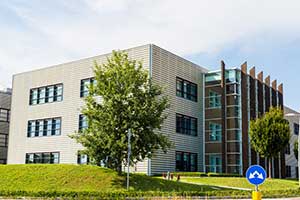
4150 Clement Street
San Francisco, CA. 94121
415-221-4810 x24824
San Francisco, CA has a large number of treatment choices including: 13 medicaid programs, 13 inpatient treatment centers, 11 drug rehabs that take private insurance like Aetna, 10 detox centers, 15 outpatient rehabs.

For help finding an addiction treatment center, Call us!
All calls are 100% confidential and free
1-877-882-9275You can now filter our treatment results to show you tailored rehab programs that fit your exact needs. Just choose the type of treatment you are looking for, a payment type such as private insurance or low cost, and any specialized treatment approach you are interested in. Click submit and we will provide a list of alcohol and drug rehab centers that match your criteria.



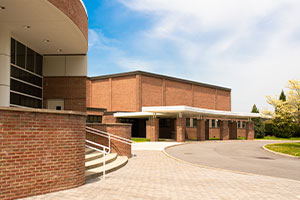

Like other drug and alcohol rehabilitation programs, Latino Commission on Alc/DA Services is dedicated to ongoing recovery for drug and alcohol abusers living in San Francisco, CA. and within the surrounding region. As such, this alcohol and drug rehab center has been providing care like 12-step facilitation approach, relapse prevention, brief intervention approach, trauma therapy, cognitive/behavior therapy, matrix model and more, which is in line with its philosophy of the treatments that actually work to help addicts recover from their condition (s).
In Addition, Latino Commission on Alc/DA Services thinks that it is essential that its patients receive individualized care to ensure that they get effective results. This is why it specializes in several programs such as active duty military, child care for clients children, self-help groups, co-occurring mental and substance abuse disorders, persons who have experienced sexual abuse, social skills development and many other modes of treatment that you can find listed below. These services that Latino Commission on Alc/DA Services offers are also available in different settings - inpatient drug addiction treatment, short term drug abuse treatment, long term addiction treatment facilities, detoxification centers, outpatient substance abuse treatment services and more.
Not surprisingly, this rehab also has aftercare plans and programs and other treatment methods that can help you achieve permanent and lasting stability both in the short and in the long term. Finally, Latino Commission on Alc/DA Services accepts private insurance, cash or self-payment, military insurance, sliding fee scale, other state funds, access to recovery (atr) voucher and others.
Phone: 415-567-8370
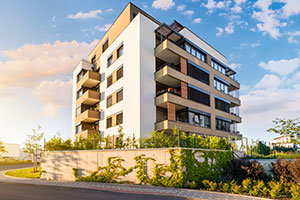
The Epiphany Center provides holistic substance abuse and recovery services for marginalized women and their families in San Francisco. Their services include 30, 60, and 90 day residential treatment programs. In addition to substance abuse treatment, these programs provide parenting support, independent living skills, and communication skills. In addition, they provide early intervention parent-child programs for children between the ages of 0 and 3, a mental health clinic, a pediatric clinic, in-home services, and a specialized program for women who are pregnant or have children younger than 1.
Phone: 415-922-9104
Ferguson Place is a residential treatment program run by PRC (Formerly Positive Resource Center). It specializes in serving individuals with co-occurring mental health challenges and substance use disorders who also suffer from HIV/AIDS. Ferguson Place qualifies as a social rehabilitation center and focuses on peer support and community participation as part of its treatment approach. In addition, Ferguson Place customizes treatment to individual patient needs. Treatment may include individual counseling, group counseling, and other structured activities to support recovery.
Phone: 415-206-6022
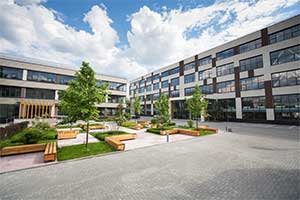
The Division of Substance Abuse and Addiction Medicine at the Well Institute for Neurosciences offers an office-based buprenorphine induction clinic (OBIC) in San Francisco. The clinic serves patients looking to reduce the impact of drug use on their daily lives and health. The clinic assists patients in beginning their buprenorphine treatment, and then moving them to long-term care in concert with primary care and mental health care. This treatment is most appropriate for individuals who suffer from opioid use disorder and is focused on individuals who are experiencing homelessness.
Phone: 415-826-6767
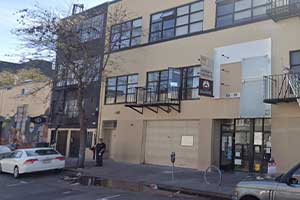
The Mission Council on Alcohol Abuse for the Spanish Speaking offers bilingual recovery support programs for individuals who suffer from dependence on alcohol. This substance abuse treatment program includes a court-approved outpatient treatment program that consists of both group and individual counseling for participants and a 12-month family day treatment program focused on building and repairing family relationships affected by substance use disorder. Special services offered by this organization include drug testing and addiction assessment services.

Phone: 415-503-3000 x3045
The Harbor Light Center of the Salvation Army provides community-focused services that include family outreach, homelessness outreach, children's ministries, disaster support, evangelism, and shelter for those in need. Included in these services are no-fee addiction treatment programs that address the physical, spiritual, and relational aspects of addiction for patients. Included in these programs are housing, food, counseling, employment, community connections, and more designed to support the whole patient in pursuing a successful and long-lasting recovery.
Phone: 415-621-4388 x219
The Ohlhoff Recovery Programs' San Francisco Outpatient Program offers highly structured outpatient, continuing care, and teen intervention treatment programs designed to make treatment possible while patients also pursue work, family, and school obligations. Their levels of care include intensive outpatient, regular outpatient, and continuing care programs that can be delivered based on the patient's individual treatment needs. Patients may step up or down in their treatment as needed, with one program specialized to teens. Each level of care uses evidence-based treatment practices, relapse prevention and care coordination with outside providers.
Phone: 415-864-0554
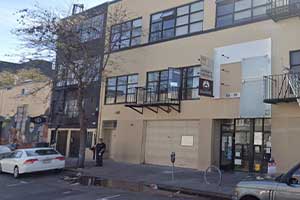
The Mission Council on Alcohol Abuse provides bilingual, outpatient, drug and alcohol counseling services to adults within the San Francisco area. Their court-approved substance abuse treatment program is delivered on an outpatient basis and includes group therapy, individual therapy, and addiction education. The program also provides an assessment for new patients, an exit plan to assist them in remaining sober after leaving the program, relapse prevention, goal setting, and some drug screenings. The program meets Monday, Tuesday, Wednesday, and Friday each week, and patients undergo an evaluation of their treatment plan every 3 months.

Phone: 415-206-8412
The Opiate Treatment Outpatient Program at Zuckerberg San Francisco General provides substance abuse treatment to individuals who suffer from addiction to a wide range of opioids. This program offers medication-assisted treatment (MAT) to help manage patients' addictions. In addition, the program supports patients' recoveries with counseling services, harm reduction services, HIV care, Hepatitis C treatment, and psychiatric care. Intended for adults in the San Francisco area, ths 50-year-old program currently provides medication to 300 people a day.
Phone: 415-821-1427
Fort Help Mission is a substance abuse treatment program of American Health Services. This location on Capp Street in San Francisco offers narcotics replacement therapy to individuals on an appointment or walk-in basis. Available in English and Spanish, these services are available most hours of the day, 7 days a week. They also offer counseling services on a daily basis.
Phone: 415-476-3990
The University of California San Francisco's Alliance Health Project provides a wide array of medical services to individuals who live within the area of San Francisco. Their multiple clinical departments include cardiology, neurology, orthopedics, sleep specialties, medical diagnostics, and genetic testing. Their services are delivered by qualified medical professionals and include medical consultations to determine the appropriate treatment approach for each patient. They focus on affordable consultations and informative, quality healthcare for all of their patients.

Phone: 415-292-1052
The Curry Senior Center's Alcohol and Drug Programs specialize in treating senior citizens who suffer from dependence on drugs and/or alcohol. This program provides both individual and group counseling to those who have a long history of substance abuse. The program utilizes a harm reduction model of treatment. Eligible individuals are over the age of 55 or suffer from a disability. Patients must also have an income that is below the poverty line. They must also be residents of San Francisco or be able to pay for their services with private insurance.
Phone: 415-567-8370
The Epiphany Center's residential program is an inpatient addiction treatment program that lasts up to 90 days. It is provided at two sites for women and their children and supports their parenting, independent living, and communication skills. Eligible patients are women who are at least 18 years of age. They need to be pregnant or have children between the ages of 0 and 3 years old, though the program does accept childless women. They must be San Francisco residents and struggle with addiction to drugs and alcohol. The program offers housing, case management, recovery groups, individual counseling, and relapse prevention.
Phone: 415-928-7800 x5054
BAART Programs' Turk Street Clinic and FACET Program in San Francisco offers FDA-approved medication management for opioid addiction. Appropriate for those who suffer from dependence on drugs such as heroin, hydrocodone, OxyContin, and others, this program utilizes methadone or buprenorphine as the primary form of treatment. The program combines this medication assisted treatment (MAT) with individualized treatment programs and can provide detox services as needed. They also offer hepatitis testing and drug counseling along with case management, HIV screening, relapse prevention, and mental health services.
Phone: 415-928-7800
BAART's Addiction and Treatment program focuses on opioid addiction. Located in San Francisco, this program provides a wide range of recovery services for individuals within the San Francisco area who are suffering from substance use disorder. These programs approach treatment in two ways: Medication-assisted treatment (MAT) and counseling. The combination of MAT and counseling enables individuals to address both their addiction and any underlying mental health conditions. This approach incorporates group and individual therapy intended to help patients identify and manage the underlying causes of their addiction.
Phone: 415-437-3400
The Stonewall Project is a state-certified drug and alcohol treatment program that is part of the San Francisco AIDS Foundation. This program focuses on harm-reduction counseling for gay, bi, and trans men, as well as for men who have sex with men. The program will serve individuals who use a variety of drugs. Their services are designed to support participants' goals, whether that be abstinence from drugs or the controlled use of their preferred substance. As a result, services are available with no requirement that patients obtain sobriety before joining the program.
Phone: 415-503-3137
The Joe Healy Detoxification Program is one of two acute care programs offered by the PRC (Formerly Positive Resource Center) in San Francisco. This program is a community-based detox program created to support homeless individuals who struggle with substance use disorder. The program was designed to prevent homeless individuals from dying from substance use disorder by delivering high-quality services in a comfortable and welcoming environment. The Joe Healy Detox Program is licensed and certified by the California State Department of Health Care Services.
Phone: 415-626-7553
CATS offers a continuum of care through seven unique programs for homeless assistance in San Francisco with compassionate culturally sensitive services.

Phone: 415-487-6700
Horizons Unlimited of San Francisco is a community-based organization serving the needs of the Latino and other minority communities in the Mission District of San Francisco. They specialize in culturally sensitive and bilingual services for youth and families. Horizons Unlimited's programs include a substance abuse treatment program for individuals who are under 21 years of age. This program is restricted to youth who have Medi-Cal or who are uninsured and who are residents of San Francisco. The bilingual program is offered on an outpatient basis on weekdays.

Phone: 415-567-1498
Acceptance Place is a substance abuse treatment program run by the PRC (Formerly Positive Resource Center) in San Francisco. Acceptance Place is a transitional residential program that specializes in the treatment of gay and bisexual men who struggle with dependence on drugs and/or alcohol. The program provides at least 20 hours of group therapy. In addition, the program teaches interpersonal and independent living skills, provides access to community support systems, and more. Patients also take time in their program to prepare to leave treatment and pursue a successful recovery after they return to daily life.
Phone: 415-776-1001
The Lee Woodward Counseling Center for Women in San Francisco is an adult women's outpatient program providing integrated substance abuse and mental health treatment. The center provides all of its services through a multicultural and multilingual lens in order to offer compassionate and holistic care for patients. Treatment approaches include individual and group counseling, group programs, recreational activities, alternative therapies such as yoga, and relapse prevention services. Treatment is individualized to patient needs and intended to address the mental health issues that keep them from living healthy lives.
Phone: 415-865-0964
The Friendship House Association of American Indians in San Francisco that offers indigenous-led services that use culture to support the health and wellbeing of those they serve. Their numerous programs are specialized to unique groups. They have an 80-bed residential treatment program that offers holistic addiction treatment for up to 6 months for adults, a residential program in Oakland that provides support for women with children for up to 1 year, and activities and service designed to support youth in their homes and lives.

Helping an individual struggling with addiction without enabling them requires a fine balance. Here are some strategies that might be helpful:
For homeless individuals struggling with substance abuse, accessing help can be particularly challenging due to factors such as limited resources, absence of stable housing, and potential co-occurring mental health disorders. However, there are a number of avenues that a homeless person can explore to get help:
Government Programs: Many cities have government-funded programs that provide services for homeless individuals, including substance abuse treatment. These may include detoxification, outpatient counseling, residential treatment, and medication-assisted treatment. The U.S. Department of Housing and Urban Development (HUD) and the Substance Abuse and Mental Health Services Administration (SAMHSA) are two significant sources of such assistance.
Community Health Clinics: Community health clinics often offer a range of services, including substance abuse treatment, on a sliding scale based on income. These clinics also frequently provide referrals to other necessary services.
Nonprofit Organizations: Many nonprofit organizations offer resources and support for homeless individuals struggling with substance abuse. These may include recovery support groups, transitional housing, job training programs, and other services.
Outreach Programs: Outreach programs are designed to connect with individuals who may not seek help on their own. Outreach workers may go to places where homeless individuals congregate to provide resources and assistance.
Housing First Programs: These programs, which prioritize providing individuals with stable housing without requiring sobriety or participation in treatment first, have been shown to be effective in helping people maintain recovery and improve their quality of life.
Emergency Departments and Hospitals: In a crisis, emergency medical personnel can provide immediate assistance and connect individuals with longer-term substance abuse treatment resources.
Veterans Services: If the individual is a veteran, the U.S. Department of Veterans Affairs offers many services, including substance abuse treatment, mental health services, and housing assistance.
If you're seeking help for your addiction to drugs and have limited financial resources, there are several options available to you. These organizations and services can provide support, counseling, and treatment at little to no cost:
National Non Profit Helpline - 1-877-882-9275
Our National Non Profit Helpline is a 24/7, 365-day-a-year treatment referral and information service for individuals and families faced with mental and/or substance use disorders.
All calls are strictly confidential
Our service provides referrals to licensed treatment facilities, support groups, and community-based organizations. You don't have to struggle alone with addiction. Help is just a phone call away. Call 1-877-882-9275 now to get the help you need and deserve.



© Copyright 1998 - 2022 All Rights Reserved. Content is protected under copyright laws, do not use content without written permission.

