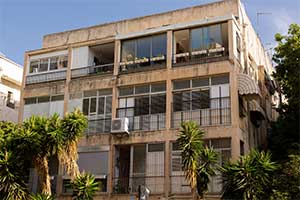
West Melbourne, Florida
West Melbourne, FL Profile
West Melbourne, FL, population 9,824 , is located
in Florida's Brevard county,
about 54.7 miles from Orlando and 110.6 miles from Tampa.
In the 90's the population of West Melbourne has grown by about 17%.
It is Estimated in recent years the population of West Melbourne has been growing at an annual rate of 7.9 percent.
Reports show that during 2003 property crime levels in the West Melbourne area were higher than Florida's average.
The same data shows violent crime levels to be higher than the Florida average.
West Melbourne Statistics
West Melbourne Gender Information
Males in West Melbourne: 4,529 (46%)
Females in West Melbourne: 5,295 (54%)
As % of Population in West Melbourne
Race Diversity in West Melbourne
White: 94%
African American: 1%
Asian: 2%
Other/Mixed: 3%
As % of Population in West Melbourne
Age Diversity in West Melbourne
Median Age in West Melbourne: 48.6 (Males in West Melbourne: 44.8, Females in West Melbourne: 52.2)
West Melbourne Males Under 20: 9%
West Melbourne Females Under 20: 9%
West Melbourne Males 20 to 40: 11%
West Melbourne Females 20 to 40: 11%
West Melbourne Males 40 to 60: 12%
West Melbourne Females 40 to 60: 13%
West Melbourne Males Over 60: 15%
West Melbourne Females Over 60: 22%
Economics in West Melbourne
West Melbourne Household Average Size: 2.08 people
West Melbourne Median Household Income: $ 37,391
West Melbourne Median Value of Homes: $ 79,500
Law Enforcement in West Melbourne
Reported crimes in the West Melbourne area during 2003:
Murder and non-negligent man-slaughter: 0
Forcible rape: 1
Robbery: 9
Aggravated assault: 91
Violent crime events per 100,000 people: 862
Burglary: 80
Larceny-theft: 477
Motor vehicle theft: 28
Arson: 1
Property crime events per 100,000 people: 4,995
West Melbourne Location Information
Elevation: 32 feet above sea level.
Land Area: 5.7 Square Miles.
Nearby Towns & Cities to West Melbourne
Melbourne Village 1.2 Miles
June Park 1.6 Miles
Melbourne 2.9 Miles
Palm Bay 4.7 Miles
Indialantic 5.5 Miles
Melbourne Beach 5.7 Miles
Indian Harbour Beach 6.7 Miles
Malabar 7.1 Miles
Palm Shores 7.8 Miles
Satellite Beach 8.2 Miles
Big Cities Nearest West Melbourne
(Population 100,000+)
Orlando 54.7 Miles
Tampa 110.6 Miles
St Petersburg 125.5 Miles
Coral Springs 126.7 Miles
Cape Coral 131.3 Miles
Clearwater 131.3 Miles
Ft Lauderdale 138.4 Miles
Pembroke Pines 145.5 Miles
Hollywood 145.9 Miles
Hialeah 154.9 Miles
|
Facts
Teen girls surpass boys in their misuse of prescription drugs. Twenty one percent of workers reported being injured or put in danger, having to re-do work or to cover for a co-worker or needing to work harder due to others’ drinking. Diagnosis of an addiction may be made by a medical doctor or by a mental health professional. Often, patients go for help because they feel they can no longer deal with their addictive behavior by themselves. Sometimes family or friends intervene and bring the patient for diagnosis and treatment. In some cases, individuals are brought to the attention of professionals because of legal problems related to their addiction. The standards used for diagnosing addiction include the three symptoms listed under Symptoms. A person who displays these three symptoms is diagnosed as being addicted to some substance or type of behavior. Ecstasy use increased every year between 1990 and 2001. With that increase came a better understanding of the drug's pitfalls and how it affected human beings over time. Current statistics indicate that ecstasy use is declining as those experimenting with it have become aware of its dangers. Deaths among ecstasy users have been reported in the United States, Australia, Canada, and the United Kingdom. |
Drug Abuse
Drug abuse is defined as the chronic or habitual use of any chemical substance to alter states of body or mind for other than medically warranted purposes. Drug abuse is a problem which has an effect on people of all income levels,
ages, and stations in life. Quite often the last person to see that there is a
problem is the drug abuser them self. Every year, more and more people become
drug addicts in their pursuit to get "high".
Dependence
Dependence is the compulsive use of a substance despite negative consequences which can be severe; drug dependence is simply excessive use of a drug or use of a drug for purposes for which it was not medically intended. Physical dependence on a substance (needing a drug to function) is not necessary or sufficient to define addiction. There are some substances that don't cause addiction but do cause physical dependence (for example, some blood pressure medications) and substances that cause addiction but not classic physical dependence (cocaine withdrawal, for example, it does not have symptoms like vomiting and chills; it is mainly characterized by depression).
Detox
Detox is necessary when an individual through their chronic use of drugs or alcohol has developed an addiction. The objective of detox is to help the individual achieve a drug and alcohol free state. Detox is intended to relieve the physical symptoms of withdrawal and helps prepare the individual for entry into drug rehabilitation. Therefore, the ultimate goal of detox is preparation for long term recovery from drug and alcohol addiction.
Alcoholism
Alcoholism, also known as "alcohol dependence," is a condition that includes craving and continued alcohol abuse despite repeated drinking-related problems, such as losing a job or getting into trouble with the law. It includes four major areas: Craving: - A strong need, or compulsion, to drink. Impaired control: -The inability to limit one's drinking on any given occasion. Physical dependence: -Withdrawal symptoms, such as nausea, sweating, shakiness, and anxiety, when alcohol use is stopped after a period of heavy drinking. Tolerance: - The need for increasing amounts of alcohol in order to feel its effects.
Tolerance
Tolerance to a drug takes place when an individual is exposed to the same drug repeatedly and begins to build up an resistance to the drugs effects. The body then adapts and develops a tolerance for the drug. The addiction that is produced is so powerful that it creates cravings in the user. These cravings for the drug are the result of its impact on the individual's memory with feelings of pleasantness and euphoria which the individual has come to associate with the taking of the drug.
|
|

To Find Drug Rehab and Treatment Centers in West Melbourne
Call toll free


West Melbourne Drug Rehab and
Alcohol Addiction Treatment Information
|