


100 West Columbia Street
Orlando, FL. 32806
407-875-3700
Orlando, FL has a wide range of treatment options including: 5 medicare treatment centers, 6 inpatient rehab centers, 8 drug rehabs that take PPO insurance like UnitedHealthCare, 6 drug and alcohol detox, 11 outpatient treatment programs.

For help finding an addiction treatment center, Call us!
All calls are 100% confidential and free
1-877-882-9275You can now filter our treatment results to show you tailored rehab programs that fit your exact needs. Just choose the type of treatment you are looking for, a payment type such as private insurance or low cost, and any specialized treatment approach you are interested in. Click submit and we will provide a list of alcohol and drug rehab centers that match your criteria.




Families in Recovery of Central FL has been providing ongoing recovery treatment and rehabilitation services to people who live in the Orlando, Florida area. Today, Families in Recovery of Central FL offers services like trauma therapy, trauma-related counseling, individual psychotherapy, dialectical behavior therapy, relapse prevention, couple/family therapy and others in keeping with its belief of following rehab treatments that work best to help clients achieve sobriety.
This addiction treatment center also believes that individual care for each client is the best way to provide them with the best form of treatment. Services are available in the following settings - inpatient rehab programs, short term rehabs, long term drug treatment, outpatient detoxification centers, outpatient individual counseling and others.
For long term abstinence, sobriety and full recovery Families in Recovery of Central FL offers an aftercare program. Lastly, Families in Recovery of Central FL accepts private pay, private health insurance, payment assistance, sliding fee scale, state welfare or child and family services funds, other state funds and others as payment forms.
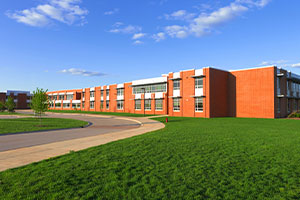

STEPS Inc has been offering recovery care and rehabilitation services to people who live in the Orlando, Florida area. Today, STEPS Inc provides services like trauma therapy, trauma-related counseling, individual psychotherapy, dialectical behavior therapy, relapse prevention, couple/family therapy and others in line with its philosophy of following rehabilitation treatments that work best to help addicts achieve recovery.
This alcohol and drug treatment program also believes that individual care for each client is the best way to provide them with the best form of treatment. Services are available in the following settings - inpatient drug and alcohol rehab programs, short term treatment programs, long term rehab facilities, outpatient detox facilities, outpatient substance abuse counseling and others.
STEPS Inc also offers aftercare programs to ensure that its clients achieve positive outcomes both in the short and in the long term. Lastly, STEPS Inc accepts cash or self-payment, private insurance, payment assistance, sliding fee scale, state welfare or child and family services funds, other state funds and others as forms of payment.

New Options and has been offering addiction treatment and rehab services to residents of the Orlando, FL. area. Today, New Options and offers services like trauma therapy, trauma-related counseling, individual psychotherapy, dialectical behavior therapy, relapse prevention, couple/family therapy and others in line with its philosophy of following rehab treatments that work best to help people achieve sobriety.
This drug and alcohol rehab also believes that individual care for each client is the best way to provide them with the best form of treatment. Services are available in the following settings - inpatient drug rehab facilities, short term rehab programs, long term drug rehab centers, outpatient detoxification facilities, outpatient day treatment and others.
For long term abstinence, sobriety and full recovery New Options and offers an aftercare program. Lastly, New Options and accepts cash or self-payment, private health insurance, payment assistance, sliding fee scale, state welfare or child and family services funds, other state funds and others as payment forms.

Fresh Start Ministries of Central FL has been offering recovery care and rehab services to people who live in the Orlando, Florida area. Today, Fresh Start Ministries of Central FL offers services like trauma therapy, trauma-related counseling, individual psychotherapy, dialectical behavior therapy, relapse prevention, couple/family therapy and others in line with its philosophy of following rehab treatments that work best to help addicts achieve recovery.
This alcohol and drug rehab program also believes that individual care for each client is the best way to provide them with the best form of treatment. Services are available in the following settings - inpatient rehab facilities, short term drug and alcohol rehab centers, long term drug rehab programs, outpatient detox facilities, outpatient counseling and others.
For long term abstinence, sobriety and full recovery Fresh Start Ministries of Central FL offers an aftercare program. Lastly, Fresh Start Ministries of Central FL accepts cash or self-payment, private medical insurance, payment assistance, sliding fee scale, state welfare or child and family services funds, other state funds and others as forms of payment.

Central Florida Treatment Center has been providing recovery treatment and rehabilitation services to the residents of Orlando and those living within the surrounding communities. Today, Central Florida Treatment Center offers services like trauma therapy, trauma-related counseling, individual psychotherapy, dialectical behavior therapy, relapse prevention, couple/family therapy and others in keeping with its philosophy of following rehabilitation treatments that work best to help people achieve recovery.
This substance abuse treatment facility also believes the best form of treatment to ensure success is to offer individualized care. Services are available in the following settings - inpatient addiction treatment centers, short term rehabs, long term drug and alcohol rehab facilities, detoxification programs, outpatient hospital programs and others.
It also believes that an aftercare program is integral in promoting recovery in the long term. Lastly, Central Florida Treatment Center accepts private pay, private medical insurance, payment assistance, sliding fee scale, state welfare or child and family services funds, other state funds and others as payment forms.

Sunrise Detox has been offering ongoing recovery care and rehabilitation services to the residents of Orlando and those living within the surrounding communities. Today, Sunrise Detox offers services like trauma therapy, trauma-related counseling, individual psychotherapy, dialectical behavior therapy, relapse prevention, couple/family therapy and others in keeping with its belief of following rehabilitation treatments that work best to help clients achieve recovery.
This addiction treatment facility also thinks that the way to get the best result for the client is to offer individual care. Services are available in the following settings - inpatient drug and alcohol rehabs, short term drug and alcohol rehabs, long term treatment facilities, inpatient detox facilities, outpatient substance abuse treatment services and others.
It also believes that an aftercare program is integral in promoting recovery in the long term. Lastly, Sunrise Detox accepts cash or self-payment, private insurance, payment assistance, sliding fee scale, state welfare or child and family services funds, other state funds and others as payment forms.
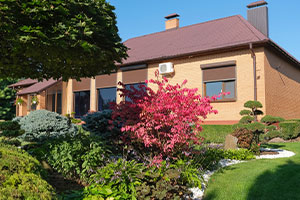
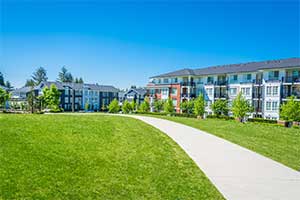
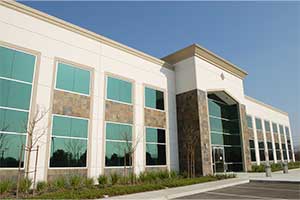
Central Florida Recovery Centers has been offering addiction treatment and rehab services to people who live in the Orlando, Florida area. Today, Central Florida Recovery Centers provides services like trauma therapy, trauma-related counseling, individual psychotherapy, dialectical behavior therapy, relapse prevention, couple/family therapy and others in line with its philosophy of following rehabilitation treatments that work best to help clients achieve sobriety.
This drug and alcohol rehab facility also believes that individual care for each client is the best way to provide them with the best form of treatment. Services are available in the following settings - inpatient rehab programs, short term treatment programs, long term addiction treatment centers, inpatient detox centers, intensive outpatient treatment and others.
For long term abstinence, sobriety and full recovery Central Florida Recovery Centers offers an aftercare program. Lastly, Central Florida Recovery Centers accepts cash or self-payment, private insurance, payment assistance, sliding fee scale, state welfare or child and family services funds, other state funds and others as payment forms.

Barbara B Fuller LCSW PA has been offering addiction care and rehab services to the residents of Orlando and those living within the surrounding communities. Today, Barbara B Fuller LCSW PA provides services like trauma therapy, trauma-related counseling, individual psychotherapy, dialectical behavior therapy, relapse prevention, couple/family therapy and others in keeping with its philosophy of following rehabilitation treatments that work best to help clients achieve recovery.
This drug and alcohol treatment program also believes the best form of treatment to ensure success is to offer individualized care. Services are available in the following settings - inpatient drug treatment, short term drug and alcohol rehab facilities, long term treatment programs, inpatient detoxification centers, outpatient substance abuse counseling and others.
It also believes that an aftercare program is integral in promoting recovery in the long term. Lastly, Barbara B Fuller LCSW PA accepts cash or self-payment, private medical insurance, payment assistance, sliding fee scale, state welfare or child and family services funds, other state funds and others as payment forms.

Orlando Recovery Center has been offering addiction care and rehab services to residents of the Orlando, FL. area. Today, Orlando Recovery Center provides services like trauma therapy, trauma-related counseling, individual psychotherapy, dialectical behavior therapy, relapse prevention, couple/family therapy and others in keeping with its belief of following rehabilitation treatments that work best to help people achieve recovery.
This drug and alcohol treatment facility also thinks that the way to get the best result for the client is to offer individual care. Services are available in the following settings - inpatient drug abuse treatment, short term drug and alcohol rehabs, long term drug abuse treatment, detox programs, outpatient substance abuse treatment services and others.
For long term abstinence, sobriety and full recovery Orlando Recovery Center offers an aftercare program. Lastly, Orlando Recovery Center accepts cash or self-payment, private insurance, payment assistance, sliding fee scale, state welfare or child and family services funds, other state funds and others as payment forms.
Department of Veterans Affairs has been offering addiction care and rehab services to residents of the Orlando, FL. area. Today, Department of Veterans Affairs offers services like trauma therapy, trauma-related counseling, individual psychotherapy, dialectical behavior therapy, relapse prevention, couple/family therapy and others in line with its belief of following rehabilitation treatments that work best to help people achieve recovery.
This alcohol and drug rehabilitation program also thinks that the way to get the best result for the client is to offer individual care. Services are available in the following settings - inpatient drug rehab facilities, short term rehab programs, long term drug rehab programs, outpatient detoxification centers, outpatient counseling and others.
It also believes that an aftercare program is integral in promoting recovery in the long term. Lastly, Department of Veterans Affairs accepts cash or self-payment, private insurance, payment assistance, sliding fee scale, state welfare or child and family services funds, other state funds and others as forms of payment.
LGBTQ+ (lesbian, gay, bisexual, transgender, queer, and others) individuals are indeed at a higher risk for drug and alcohol abuse due to a variety of factors that often intersect and compound over time. These factors primarily relate to the stress and challenges associated with living as a marginalized group in many societies. Here are some of the main factors:
Minority Stress: This term refers to the chronic stress faced by individuals belonging to a stigmatized minority group. For LGBTQ+ individuals, this can stem from societal prejudice, discrimination, and violence related to their sexual orientation or gender identity. Such stressors can contribute to increased substance use as a coping mechanism.
Stigma and Discrimination: Experiences of rejection, exclusion, and maltreatment can increase feelings of anxiety and depression, which are associated with higher substance use rates. This can occur in various settings, including workplaces, schools, and even within families and social networks.
Internalized Negative Self-Perceptions: LGBTQ+ individuals may internalize societal biases and develop negative self-perceptions about their identity, leading to feelings of guilt, shame, and low self-esteem. These feelings can contribute to the misuse of substances as a form of self-medication.
Lack of Inclusive Healthcare: Many healthcare systems lack the resources or training to provide culturally competent care to LGBTQ+ individuals. This can make it difficult for these individuals to seek help or access effective treatment for substance use disorders.
Social Isolation: Feelings of isolation, which can be the result of rejection or non-acceptance by family, friends, or society, can increase the risk of substance use and misuse.
Intersectional Identity Stressors: LGBTQ+ individuals who also belong to other marginalized groups (like racial or ethnic minorities) may face additional stressors that can increase the risk of substance abuse.
Drug addiction can significantly distort a person's thinking patterns and perceptions, leading them to behave in ways that are often self-protective and defensive. One of these behaviors can be a tendency to shift blame onto others. This occurs for a few reasons:
Rehabilitation centers use a combination of medical, psychological, and supportive care to help you manage and overcome withdrawal symptoms during the detoxification stage of recovery. Here's what you can expect:
Medical Supervision and Care: During withdrawal, you'll be under the constant care of medical professionals who monitor your vital signs and general health. This is crucial because withdrawal from certain substances can be life-threatening.
Medication-Assisted Treatment: Depending on the substance you're withdrawing from and the severity of your symptoms, the medical team may administer medications to alleviate discomfort and reduce cravings. For example, methadone or buprenorphine might be used for opioid withdrawal, while benzodiazepines might be used for alcohol withdrawal.
Psychological Support: Mental health professionals provide psychological support during withdrawal. This might include individual counseling, group therapy, or cognitive-behavioral techniques to help manage cravings and cope with the emotional stress of withdrawal.
Comfort Measures: Rehab centers often use comfort measures to help manage withdrawal symptoms. These might include a quiet and comfortable room to rest in, nutritional support, hydration, and complementary therapies such as acupuncture, massage, or yoga.
Preparation for Ongoing Treatment: Detox and withdrawal management are just the first steps in the recovery process. While helping you through withdrawal, staff at the rehab center will also be preparing you for the next phases of treatment, which may include therapy, medication management, and skill-building to maintain long-term sobriety.
Peer Support: Many rehab centers facilitate peer support groups, where you can share experiences and coping strategies with others who are going through a similar process.
National Non Profit Helpline - 1-877-882-9275
Our National Non Profit Helpline is a 24/7, 365-day-a-year treatment referral and information service for individuals and families faced with mental and/or substance use disorders.
All calls are strictly confidential
Our service provides referrals to licensed treatment facilities, support groups, and community-based organizations. You don't have to struggle alone with addiction. Help is just a phone call away. Call 1-877-882-9275 now to get the help you need and deserve.



© Copyright 1998 - 2022 All Rights Reserved. Content is protected under copyright laws, do not use content without written permission.

