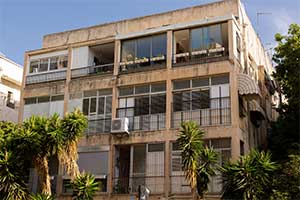
166 Center Road
Venice, FL. 34285
941-497-7742
Venice, FL has several nearby treatment choices including: 3 low cost treatment centers, 0 inpatient drug rehab, 3 drug rehabs that take private insurance like Cigna, 1 drug and alcohol detox, 4 outpatient treatment programs.

For help finding an addiction treatment center, Call us!
All calls are 100% confidential and free
1-877-882-9275





Tri County Counseling and is 8.9 miles from Venice, Florida
Tri County Counseling and has been providing ongoing recovery care and rehabilitation services to residents of the Venice, FL. area. Today, Tri County Counseling and offers services like group therapy, cognitive/behavior therapy, cognitive/behavior therapy, individual psychotherapy, anger management, dual diagnosis drug rehab and others in line with its belief of following rehab treatments that work best to help addicts achieve sobriety.
This drug and alcohol rehab program also believes that individual care for each client is the best way to provide them with the best form of treatment. Services are available in the following settings - outpatient detox programs, outpatient individual counseling, short term drug and alcohol rehabs, inpatient rehab facilities, long term rehab programs and others.
Tri County Counseling and also offers aftercare programs to ensure that its clients achieve positive outcomes both in the short and in the long term. Lastly, Tri County Counseling and accepts private pay, private health insurance, military insurance, payment assistance, state education funds, access to recovery (atr) voucher and others as forms of payment.

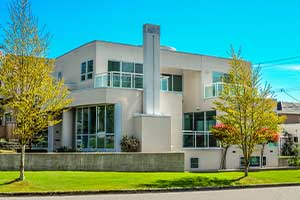
Sarasota Metro Treatment Center is 13.7 miles from Venice, FL
Sarasota Metro Treatment Center has been offering addiction treatment and rehab services to the residents of Venice, Florida and those living within the surrounding communities. Today, Sarasota Metro Treatment Center provides services like group therapy, cognitive/behavior therapy, cognitive/behavior therapy, individual psychotherapy, anger management, dual diagnosis drug rehab and others in keeping with its belief of following rehab treatments that work best to help clients achieve recovery.
This drug and alcohol treatment program also thinks that the way to get the best result for the client is to offer individual care. Services are available in the following settings - outpatient detoxification facilities, intensive outpatient treatment, short term drug abuse treatment, inpatient addiction treatment facilities, long term drug rehab facilities and others.
Sarasota Metro Treatment Center also offers aftercare programs to ensure that its clients achieve positive outcomes both in the short and in the long term. Lastly, Sarasota Metro Treatment Center accepts private pay, private medical insurance, military insurance, payment assistance, state education funds, access to recovery (atr) voucher and others as forms of payment.

Centerpointe Counseling and is 15.4 miles from Venice, Florida
Centerpointe Counseling and has been providing ongoing recovery treatment and rehabilitation services to the residents of Venice, Florida and those living within the surrounding communities. Today, Centerpointe Counseling and provides services like group therapy, cognitive/behavior therapy, cognitive/behavior therapy, individual psychotherapy, anger management, dual diagnosis drug rehab and others in keeping with its philosophy of following rehab treatments that work best to help people achieve sobriety.
This alcohol and drug rehab center also believes that individual care for each client is the best way to provide them with the best form of treatment. Services are available in the following settings - inpatient detoxification programs, outpatient individual counseling, short term drug addiction treatment, inpatient treatment centers, long term addiction treatment facilities and others.
For long term abstinence, sobriety and full recovery Centerpointe Counseling and offers an aftercare program. Lastly, Centerpointe Counseling and accepts private pay, private health insurance, military insurance, payment assistance, state education funds, access to recovery (atr) voucher and others as payment forms.
Drug addiction can significantly distort a person's thinking patterns and perceptions, leading them to behave in ways that are often self-protective and defensive. One of these behaviors can be a tendency to shift blame onto others. This occurs for a few reasons:
Educate yourself: Learn about drug addiction, its causes, symptoms, and treatment options. Understanding the complexities of addiction will help you better empathize with the person and offer informed support.
Opioid withdrawal can be a challenging process that presents both physical and psychological symptoms. These symptoms can range from mild to severe, depending on factors like the type of opioid used, the duration and intensity of use, individual health status, and genetic factors. Here are common symptoms that might be experienced during opioid withdrawal:
Physical Symptoms:
Psychological Symptoms:
These symptoms can begin as early as a few hours after the last dose of the opioid and typically peak within 72 hours, though they may persist for a week or more. Post-acute withdrawal symptoms, which are primarily psychological, can continue for weeks or even months.
It's important to note that while opioid withdrawal can be extremely uncomfortable, it is generally not life-threatening. However, complications like severe dehydration due to vomiting and diarrhea can occur, which is why medical supervision is recommended during the withdrawal process. Furthermore, the risk of relapse is high during withdrawal, and using opioids again after a period of abstinence can lead to a potentially fatal overdose, as tolerance may have decreased.
National Non Profit Helpline - 1-877-882-9275
Our National Non Profit Helpline is a 24/7, 365-day-a-year treatment referral and information service for individuals and families faced with mental and/or substance use disorders.
All calls are strictly confidential
Our service provides referrals to licensed treatment facilities, support groups, and community-based organizations. You don't have to struggle alone with addiction. Help is just a phone call away. Call 1-877-882-9275 now to get the help you need and deserve.



© Copyright 1998 - 2022 All Rights Reserved. Content is protected under copyright laws, do not use content without written permission.
