

350 Pensacola Beach Road
Gulf Breeze, FL. 32561
855-485-3273
Gulf Breeze, FL has several nearby treatment choices including: 2 medicaid programs, 1 inpatient rehab, 4 drug rehabs that take PPO insurance like Cigna, 1 drug and alcohol detox, 4 outpatient treatment programs.

For help finding an addiction treatment center, Call us!
All calls are 100% confidential and free
1-877-882-9275


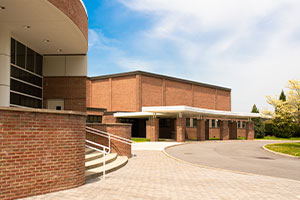


Cordova Counseling Center is 10.2 miles from Gulf Breeze, FL
Cordova Counseling Center is committed to helping the residents of Gulf Breeze, Florida and the surrounding areas to recovering from the problems and issues that arrive from drug an/or alcohol abuse. Because of this, Cordova Counseling Center provides a wide range of services in line with their belief of treatments that work - including long term drug rehab centers, short term drug and alcohol rehabs, inpatient treatment centers, outpatient hospital programs, inpatient detoxification programs and others.
Cordova Counseling Center also feels that it is crucial that every individual client gets highly personalized services to ensure their recovery. This is why it is specialized in a wide variety of treatment modalities, including cognitive/behavior therapy, brief intervention approach, individual psychotherapy, trauma-related counseling, trauma therapy, behavior modification and others. In addition, Cordova Counseling Center is specialized in veterans, persons who have experienced sexual abuse, child care for clients children, co-occurring mental and substance abuse disorders, treatment for spanish-speaking clients, legal advocacy, as well as other special programs. In general, the treatment methods that this alcohol and drug rehab center uses aims to provide positive and lasting change for each individual.
Lastly, Cordova Counseling Center accepts private health insurance, cash or self-payment, medicaid, medicare, sliding fee scale, other state funds, access to recovery (atr) voucher and more.


Lakeview Center Inc is 10.4 miles from Gulf Breeze, FL
Addictive drugs influence behavior by interacting with the brain's reward system. This system is responsible for driving pleasurable feelings and motivating behaviors essential to human survival, such as eating and socializing. Addictive substances can hijack this system, leading to changes in behavior and brain function.
Here's a simplified explanation of how this works:
Alteration of Neurotransmitter Activity: Addictive substances often increase the levels of certain neurotransmitters, chemicals that transmit signals between nerve cells in the brain. One key neurotransmitter affected by many drugs is dopamine, which is closely associated with feelings of pleasure and reward.
Overstimulation of the Reward System: By increasing dopamine levels, addictive drugs overstimulate the reward system, often creating a sense of euphoria. This intense pleasure can lead individuals to repeat the drug use to recapture this feeling.
Development of Tolerance and Dependence: Over time, the brain adapts to the increased dopamine levels by producing less dopamine or reducing the number of receptors that can receive signals. As a result, the drug's effects are lessened, a phenomenon known as tolerance. This can lead users to take increasingly larger doses of the drug to achieve the same dopamine high. This cycle can lead to dependence, where the brain relies on the drug to function normally.
Withdrawal and Cravings: When the drug is not taken, withdrawal symptoms can occur as the brain attempts to rebalance itself. These can include negative emotions like anxiety and depression, physical symptoms like nausea or restlessness, and intense cravings for the drug.
Compulsive Drug-seeking Behavior: As the cycle of tolerance, dependence, withdrawal, and cravings continues, individuals may engage in compulsive drug-seeking behavior, even when faced with negative health, social, or legal consequences. This is a key characteristic of addiction.
Impairment in Decision-making and Self-control: Long-term drug use can also cause changes to other areas of the brain that impair decision-making, self-control, judgment, learning, and memory, further fueling the cycle of addiction.
Medical detox, also known as medically supervised detoxification, is the process of safely managing the physical symptoms of withdrawal from substances like alcohol, opioids, or other drugs under the supervision of healthcare professionals. This process is typically the first step in a comprehensive treatment plan for substance use disorders.
The goal of medical detox is to minimize the physical harm caused by withdrawal and to alleviate discomfort. Here's what it typically involves:
Evaluation: This first step includes a thorough assessment of the individual's physical and mental health, as well as the extent and nature of their substance use. This information is used to design an appropriate and personalized detox and treatment plan.
Stabilization: During this phase, medical professionals administer treatment to manage withdrawal symptoms and ensure the patient's safety. This may involve the use of medications to ease symptoms and prevent complications. Medical staff monitor the patient's vital signs like heart rate, blood pressure, and temperature, and may provide nutritional support and hydration as needed.
Preparation for Further Treatment: Once the acute phase of detox is complete, the focus shifts to preparing the individual for further treatment, such as inpatient or outpatient rehab. This may involve counseling or therapy to help the individual understand the importance of continuing treatment to maintain long-term recovery.
Yes, a person struggling with drug addiction can certainly change. It's important to understand that addiction is a chronic, but treatable, disease. Like other chronic diseases, it's not about a "cure" but about managing the condition effectively.
Overcoming addiction typically involves a combination of self-awareness, willingness to change, support, and professional treatment. A key part of the process is the individual's motivation to improve their life and overcome their dependency on substances.
However, recovery from addiction often involves setbacks and challenges. The process can be difficult and time-consuming, requiring substantial personal commitment and support from others. Professional treatment can take several forms, including detoxification, medication-assisted therapy, counseling, and support groups.
Many people who were once addicted to drugs have gone on to live productive, healthy, and fulfilling lives. The journey to recovery is often a lifelong process of maintaining sobriety and managing triggers and cravings.
While change is indeed possible for someone struggling with addiction, it is typically a complex process requiring substantial effort, support, and treatment.
National Non Profit Helpline - 1-877-882-9275
Our National Non Profit Helpline is a 24/7, 365-day-a-year treatment referral and information service for individuals and families faced with mental and/or substance use disorders.
All calls are strictly confidential
Our service provides referrals to licensed treatment facilities, support groups, and community-based organizations. You don't have to struggle alone with addiction. Help is just a phone call away. Call 1-877-882-9275 now to get the help you need and deserve.



© Copyright 1998 - 2022 All Rights Reserved. Content is protected under copyright laws, do not use content without written permission.
