


7051 Seacrest Boulevard
Lake Worth, FL. 33462
561-296-5288
Lake Worth, FL has a wide range of treatment options including: 2 medicare programs, 11 inpatient rehabs, 12 drug rehabs that take private insurance like Cigna, 11 drug detox, 12 outpatient rehabs.

For help finding an addiction treatment center, Call us!
All calls are 100% confidential and free
1-877-882-9275You can now filter our treatment results to show you tailored rehab programs that fit your exact needs. Just choose the type of treatment you are looking for, a payment type such as private insurance or low cost, and any specialized treatment approach you are interested in. Click submit and we will provide a list of alcohol and drug rehab centers that match your criteria.




Counseling Services of Lake Worth is known for dedicating its recovery services to the individuals who struggle with alcohol and drug abuse issues in Lake Worth, FL. and its surrounding areas.
Programs are offered on an individualized basis to make sure clients find full recovery in the long term. Counseling Services of Lake Worth has also specialized in contingency management/motivational incentive, anger management, brief intervention approach, group therapy, cognitive/behavior therapy, individual psychotherapy, and others - as well as other treatment modalities such as persons with serious mental illness, treatment for spanish-speaking clients, self-help groups, programs for the hearing impaired, legal advocacy, social skills development, and more.
Additionally, Counseling Services of Lake Worth has programs such as inpatient detox facilities, outpatient hospital programs, long term rehab centers, short term addiction treatment programs, inpatient rehabs for clients with addictions to drugs and alcohol. The alcohol and drug treatment program uses treatment modalities that can provide permanent stability to any person with a substance abuse disorder. Finally, Counseling Services of Lake Worth accepts individuals with different kinds of payment methods - including private health insurance, private pay, medicare, medicaid, sliding fee scale, state corrections or juvenile justice funds, county or local government funds and others.
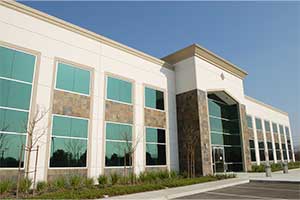
New Path Halfway House Inc has made a name for itself by dedicating its addiction services to the individuals who struggle with drug and alcohol use disorders in Lake Worth, FL. and its surrounding areas.
Services are offered on an individualized basis to make sure clients achieve full recovery in the long term. New Path Halfway House Inc also specializes in contingency management/motivational incentive, anger management, brief intervention approach, group therapy, cognitive/behavior therapy, individual psychotherapy, and others - as well as other treatment modalities such as persons with serious mental illness, treatment for spanish-speaking clients, self-help groups, programs for the hearing impaired, legal advocacy, social skills development, and more.
Additionally, New Path Halfway House Inc has programs such as inpatient detox programs, outpatient substance abuse counseling, long term drug addiction treatment, short term drug rehab programs, inpatient drug addiction treatment for verifiable addictions to drugs and alcohol. The alcohol and drug rehab uses treatment modalities that can provide permanent stability to any person with a substance use disorder. Finally, New Path Halfway House Inc accepts individuals with different kinds of payment methods - including private medical insurance, cash or self-payment, medicare, medicaid, sliding fee scale, state corrections or juvenile justice funds, county or local government funds and others.
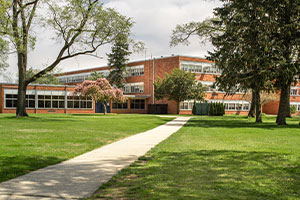
Foundation Sober Living for Men has made a name for itself by dedicating its recovery services to the individuals who struggle with substance use issues in the Lake Worth area.
Programs are offered on an individualized basis to ensure people find full recovery in the long term. Foundation Sober Living for Men also specializes in contingency management/motivational incentive, anger management, brief intervention approach, group therapy, cognitive/behavior therapy, individual psychotherapy, and others - as well as other treatment modalities such as persons with serious mental illness, treatment for spanish-speaking clients, self-help groups, programs for the hearing impaired, legal advocacy, social skills development, and more.
Additionally, Foundation Sober Living for Men has programs such as outpatient detox facilities, outpatient day treatment, long term drug rehab programs, short term drug abuse treatment, inpatient drug abuse treatment for clients with addictions to drugs and alcohol. The drug and alcohol rehabilitation program uses treatment methods that can provide lasting stability to anyone with an alcohol and drug abuse problem. Finally, Foundation Sober Living for Men accepts individuals with different types of payment methods - including private insurance, cash or self-payment, medicaid, medicare, sliding fee scale, state corrections or juvenile justice funds, county or local government funds and others.

Holistix Treatment Centers LLC has made a name for itself by dedicating its recovery services to the people who struggle with alcohol and drug abuse issues in the Lake Worth area.
Programs are provided on an individualized basis to make sure people achieve full recovery in the long term. Holistix Treatment Centers LLC has also specialized in contingency management/motivational incentive, anger management, brief intervention approach, group therapy, cognitive/behavior therapy, individual psychotherapy, and others - as well as other treatment modalities such as persons with serious mental illness, treatment for spanish-speaking clients, self-help groups, programs for the hearing impaired, legal advocacy, social skills development, and more.
Additionally, Holistix Treatment Centers LLC has programs such as inpatient detox programs, outpatient counseling, long term treatment centers, short term drug abuse treatment, inpatient drug addiction treatment for verifiable addictions to drugs and alcohol. The alcohol and drug treatment program uses treatment modalities that can provide permanent stability to any person with a drug and alcohol use problem. Finally, Holistix Treatment Centers LLC accepts individuals with different kinds of payment methods - including private health insurance, private pay, medicare, medicaid, sliding fee scale, state corrections or juvenile justice funds, county or local government funds and others.

Lucida Treatment Center has made a name for itself by dedicating its recovery services to the individuals who struggle with substance use disorders in the local community.
Programs are provided on an individual basis to make sure people achieve full recovery in the long term. Lucida Treatment Center has also specialized in contingency management/motivational incentive, anger management, brief intervention approach, group therapy, cognitive/behavior therapy, individual psychotherapy, and others - as well as many other treatment modalities such as persons with serious mental illness, treatment for spanish-speaking clients, self-help groups, programs for the hearing impaired, legal advocacy, social skills development, and more.
Additionally, Lucida Treatment Center has programs such as detox facilities, outpatient hospital programs, long term drug and alcohol rehab programs, short term drug rehab facilities, inpatient drug abuse treatment for clients with addictions to drugs and alcohol. The addiction treatment facility uses treatment modalities that can provide lasting and permanent stability to any person with a drug and alcohol abuse disorder. Finally, Lucida Treatment Center accepts individuals with different types of payment methods - including private medical insurance, cash or self-payment, medicare, medicaid, sliding fee scale, state corrections or juvenile justice funds, county or local government funds and others.
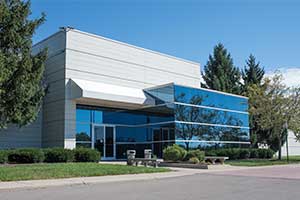

LL and RS Stepping Stones LLC is known for dedicating its addiction services to the people who struggle with drug and alcohol use issues in the local community.
Programs are offered on an individualized basis to make sure people achieve full recovery in the long term. LL and RS Stepping Stones LLC also specializes in contingency management/motivational incentive, anger management, brief intervention approach, group therapy, cognitive/behavior therapy, individual psychotherapy, and others - as well as other treatment methods such as persons with serious mental illness, treatment for spanish-speaking clients, self-help groups, programs for the hearing impaired, legal advocacy, social skills development, and more.
Additionally, LL and RS Stepping Stones LLC has programs such as outpatient detox centers, outpatient hospital programs, long term treatment centers, short term drug and alcohol rehab centers, inpatient treatment centers for clients with addictions to drugs and alcohol. The drug and alcohol rehabilitation program uses treatment methods that can provide lasting stability to anyone with a drug and alcohol abuse problem. Finally, LL and RS Stepping Stones LLC accepts clients with different types of payment methods - including private health insurance, cash or self-payment, medicare, medicaid, sliding fee scale, state corrections or juvenile justice funds, county or local government funds and others.



Retreat Behavioral Health is known for dedicating its addiction services to the individuals who struggle with drug and alcohol abuse disorders in the Lake Worth area.
Programs are offered on an individual basis to make sure clients achieve full recovery in the long term. Retreat Behavioral Health also specializes in contingency management/motivational incentive, anger management, brief intervention approach, group therapy, cognitive/behavior therapy, individual psychotherapy, and others - as well as many other treatment modalities such as persons with serious mental illness, treatment for spanish-speaking clients, self-help groups, programs for the hearing impaired, legal advocacy, social skills development, and more.
Additionally, Retreat Behavioral Health has programs such as outpatient detoxification centers, outpatient hospital programs, long term drug and alcohol rehabs, short term drug and alcohol rehab programs, inpatient drug and alcohol rehab facilities for verifiable addictions to drugs and alcohol. The addiction treatment facility uses treatment methods that can provide lasting stability to anyone with a drug and alcohol use problem. Finally, Retreat Behavioral Health accepts clients with different types of payment methods - including private medical insurance, private pay, medicaid, medicare, sliding fee scale, state corrections or juvenile justice funds, county or local government funds and others.

Comprehensive Wellness Centers has made a name for itself by dedicating its addiction services to the individuals who struggle with substance abuse disorders in the Lake Worth area.
Programs are offered on an individualized basis to make sure clients find full recovery in the long term. Comprehensive Wellness Centers has also specialized in contingency management/motivational incentive, anger management, brief intervention approach, group therapy, cognitive/behavior therapy, individual psychotherapy, and others - as well as many other treatment methods such as persons with serious mental illness, treatment for spanish-speaking clients, self-help groups, programs for the hearing impaired, legal advocacy, social skills development, and more.
Additionally, Comprehensive Wellness Centers has programs such as inpatient detoxification facilities, outpatient individual counseling, long term drug and alcohol rehab facilities, short term drug and alcohol rehab programs, inpatient rehabs for clients with addictions to alcohol and drugs. The drug and alcohol treatment program uses treatment modalities that can provide lasting stability to any person with a substance abuse disorder. Finally, Comprehensive Wellness Centers accepts individuals with different types of payment methods - including private health insurance, cash or self-payment, medicare, medicaid, sliding fee scale, state corrections or juvenile justice funds, county or local government funds and others.

Archstone Behavioral Health is known for dedicating its addiction services to the individuals who struggle with drug and alcohol use issues in Lake Worth, FL. and its surrounding areas.
Programs are provided on an individualized basis to make sure people achieve full recovery in the long term. Archstone Behavioral Health also specializes in contingency management/motivational incentive, anger management, brief intervention approach, group therapy, cognitive/behavior therapy, individual psychotherapy, and others - as well as many other treatment modalities such as persons with serious mental illness, treatment for spanish-speaking clients, self-help groups, programs for the hearing impaired, legal advocacy, social skills development, and more.
Additionally, Archstone Behavioral Health has programs such as outpatient detox centers, outpatient day treatment, long term drug addiction treatment, short term drug and alcohol rehab facilities, inpatient treatment centers for verifiable addictions to alcohol and drugs. The addiction treatment facility uses treatment modalities that can provide lasting and permanent stability to any person with a drug and alcohol abuse issue. Finally, Archstone Behavioral Health accepts individuals with different types of payment methods - including private medical insurance, private pay, medicaid, medicare, sliding fee scale, state corrections or juvenile justice funds, county or local government funds and others.

MapToHealth LLC has made a name for itself by dedicating its recovery services to the people who struggle with alcohol and drug use disorders in the Lake Worth area.
Services are provided on an individualized basis to ensure clients find full recovery in the long term. MapToHealth LLC has also specialized in contingency management/motivational incentive, anger management, brief intervention approach, group therapy, cognitive/behavior therapy, individual psychotherapy, and others - as well as other treatment modalities such as persons with serious mental illness, treatment for spanish-speaking clients, self-help groups, programs for the hearing impaired, legal advocacy, social skills development, and more.
Additionally, MapToHealth LLC has programs such as outpatient detoxification centers, outpatient substance abuse counseling, long term drug rehab facilities, short term drug rehab centers, inpatient rehab centers for verifiable addictions to drugs and alcohol. The alcohol and drug treatment program uses treatment methods that can provide lasting and permanent stability to anyone with an alcohol and drug abuse issue. Finally, MapToHealth LLC accepts individuals with different kinds of payment methods - including private medical insurance, private pay, medicaid, medicare, sliding fee scale, state corrections or juvenile justice funds, county or local government funds and others.
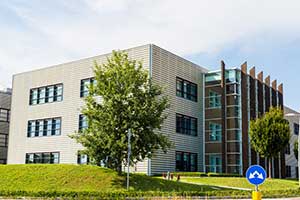
Central Florida Treatment Center is known for dedicating its addiction services to the people who struggle with alcohol and drug abuse disorders in Lake Worth, Florida and within the surrounding neighborhoods.
Services are offered on an individualized basis to make sure people achieve full recovery in the long term. Central Florida Treatment Center has also specialized in contingency management/motivational incentive, anger management, brief intervention approach, group therapy, cognitive/behavior therapy, individual psychotherapy, and others - as well as other treatment methods such as persons with serious mental illness, treatment for spanish-speaking clients, self-help groups, programs for the hearing impaired, legal advocacy, social skills development, and more.
Additionally, Central Florida Treatment Center has programs such as outpatient detox centers, intensive outpatient treatment, long term rehab programs, short term drug abuse treatment, inpatient drug and alcohol rehabs for clients with addictions to drugs and alcohol. The alcohol and drug rehab uses treatment modalities that can provide permanent stability to anyone with a substance abuse disorder. Finally, Central Florida Treatment Center accepts individuals with different kinds of payment methods - including private insurance, private pay, medicaid, medicare, sliding fee scale, state corrections or juvenile justice funds, county or local government funds and others.

Retreat Behavioral Health Service Ctr has made a name for itself by dedicating its recovery services to the people who struggle with drug and alcohol abuse issues in Lake Worth, Florida and within the surrounding neighborhoods.
Services are provided on an individualized basis to make sure people find full recovery in the long term. Retreat Behavioral Health Service Ctr has also specialized in contingency management/motivational incentive, anger management, brief intervention approach, group therapy, cognitive/behavior therapy, individual psychotherapy, and others - as well as many other treatment methods such as persons with serious mental illness, treatment for spanish-speaking clients, self-help groups, programs for the hearing impaired, legal advocacy, social skills development, and more.
Additionally, Retreat Behavioral Health Service Ctr has programs such as inpatient detox centers, outpatient substance abuse treatment services, long term rehab programs, short term rehab centers, inpatient drug rehab facilities for clients with addictions to drugs and alcohol. The drug and alcohol treatment program uses treatment modalities that can provide permanent stability to any person with an alcohol and drug abuse problem. Finally, Retreat Behavioral Health Service Ctr accepts clients with different kinds of payment methods - including private insurance, cash or self-payment, medicaid, medicare, sliding fee scale, state corrections or juvenile justice funds, county or local government funds and others.

Awareness Counseling Agency LLC has made a name for itself by dedicating its recovery services to the people who struggle with substance abuse issues in the Lake Worth area.
Services are offered on an individual basis to ensure people find full recovery in the long term. Awareness Counseling Agency LLC has also specialized in contingency management/motivational incentive, anger management, brief intervention approach, group therapy, cognitive/behavior therapy, individual psychotherapy, and others - as well as many other treatment methods such as persons with serious mental illness, treatment for spanish-speaking clients, self-help groups, programs for the hearing impaired, legal advocacy, social skills development, and more.
Additionally, Awareness Counseling Agency LLC has programs such as detoxification programs, outpatient day treatment, long term rehab programs, short term addiction treatment facilities, inpatient drug rehab programs for clients with addictions to drugs and alcohol. The drug and alcohol rehab facility uses treatment methods that can provide lasting stability to any person with an alcohol and drug use problem. Finally, Awareness Counseling Agency LLC accepts clients with different kinds of payment methods - including private insurance, private pay, medicaid, medicare, sliding fee scale, state corrections or juvenile justice funds, county or local government funds and others.
Confronting someone about their drug addiction is a delicate task, requiring a compassionate, non-judgmental approach. It's crucial to express your concerns without inciting defensiveness. Here are some steps to guide you through this process:
Yes, studies have indicated that rates of substance use and substance use disorders are indeed higher in the LGBTQ+ (lesbian, gay, bisexual, transgender, queer, and others) community compared to the general population. This disparity is believed to be related to a variety of factors, including the stress and stigma associated with identifying as LGBTQ+.
Here's a closer look at some of the related factors and statistics:
According to the Substance Abuse and Mental Health Services Administration (SAMHSA), adults who identify as lesbian, gay, or bisexual were more than twice as likely as heterosexual adults to have used illicit drugs in the past year. Transgender individuals also experience higher rates of substance use and substance use disorders compared to their cisgender peers.
It is important to note that while substance use is a significant issue within the LGBTQ+ community, not all individuals within this community use substances or struggle with substance use disorders. A comprehensive, culturally competent approach is needed to address substance use in the LGBTQ+ community, which includes providing LGBTQ+ inclusive prevention and treatment programs, addressing the underlying issues like discrimination and stigma, and improving access to mental health care.
Physical symptoms: Changes in appearance, such as weight loss or gain, poor hygiene, bloodshot eyes, or constricted pupils, can be indicative of addiction. Additionally, the person may display signs of intoxication or withdrawal, such as tremors, sweating, or flu-like symptoms.
Behavioral changes: Addiction can lead to significant shifts in behavior, such as increased secrecy, social isolation, or sudden mood swings. The person may neglect responsibilities, withdraw from activities they once enjoyed, or display uncharacteristic aggression or irritability.
Loss of control: A hallmark of addiction is the inability to control substance use or engagement in harmful behaviors, even when the person expresses a desire to stop. This can lead to increased frequency or intensity of use, as well as unsuccessful attempts to quit or cut down.
Preoccupation: The person may become preoccupied with obtaining, using, or recovering from the effects of the substance or behavior, often at the expense of other aspects of their life.
Risk-taking: Addiction can lead to increased risk-taking behaviors, such as using substances in dangerous situations, driving under the influence, or engaging in risky sexual activities.
Neglecting relationships: Addiction can strain personal relationships, as the person may prioritize their substance use or behavior over their connections with friends and family.
Changes in sleep patterns and energy levels: Addiction can cause disruptions in sleep patterns, leading to insomnia or excessive sleepiness. The person may also experience fluctuations in energy levels, such as periods of hyperactivity followed by lethargy.
Tolerance and withdrawal: Over time, individuals with addiction may develop a tolerance to the substance or behavior, requiring higher doses or more frequent engagement to achieve the desired effect. If the person stops using the substance or engaging in the behavior, they may experience withdrawal symptoms, such as anxiety, irritability, insomnia, or physical discomfort.
Continued use despite negative consequences: A key sign of addiction is the persistence of substance use or engagement in harmful behaviors despite experiencing negative consequences, such as health issues, relationship problems, financial difficulties, or legal troubles.
Neglect of responsibilities: Addiction can cause a person to neglect personal, professional, or family obligations, resulting in job loss, financial difficulties, or relationship problems.
National Non Profit Helpline - 1-877-882-9275
Our National Non Profit Helpline is a 24/7, 365-day-a-year treatment referral and information service for individuals and families faced with mental and/or substance use disorders.
All calls are strictly confidential
Our service provides referrals to licensed treatment facilities, support groups, and community-based organizations. You don't have to struggle alone with addiction. Help is just a phone call away. Call 1-877-882-9275 now to get the help you need and deserve.



© Copyright 1998 - 2022 All Rights Reserved. Content is protected under copyright laws, do not use content without written permission.

