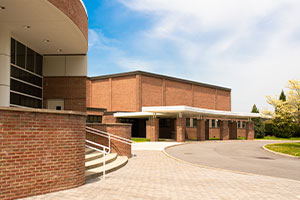
119 North Market Street
Bushnell, FL. 33513
352-793-4126
Bushnell, FL has several nearby treatment choices including: 2 medicaid treatment centers, 2 inpatient rehab centers, 2 drug rehabs that take private insurance like Cigna, 0 detox center, 4 outpatient treatment programs.

For help finding an addiction treatment center, Call us!
All calls are 100% confidential and free
1-877-882-9275




Eckerd Youth Alternatives Inc is 9 miles from Bushnell, Florida


Therapeutic Health Endeavors Institute is 13.3 miles from Bushnell, FL
Like other addiction treatment centers, Therapeutic Health Endeavors Institute is committed to long term recovery for alcohol and drug abusers living in Bushnell and within the surrounding region. As such, this addiction treatment program has been offering care like group therapy, trauma-related counseling, individual psychotherapy, rational emotive behavioral therapy, anger management, vocational rehabilitation services and more.
In Addition, Therapeutic Health Endeavors Institute thinks that it is essential that its clients receive individualized care to ensure that they get effective results. This is why it specializes in several programs such as housing services, suicide prevention services, self-help groups, clients with HIV/AIDS, persons who have experienced sexual abuse, residential beds for client's children and many other modes of treatment that you can find listed below. These services that the organization provides are also available in a variety of settings - long term treatment centers, inpatient rehab facilities, detoxification programs, outpatient substance abuse counseling, short term rehab programs and more.
Not surprisingly, this rehab also has aftercare plans and programs that can help you achieve lasting stability both in the short and in the long term. Finally, Therapeutic Health Endeavors Institute accepts private health insurance, cash or self-payment, sliding fee scale, military insurance, other state funds, access to recovery (atr) voucher and others.

LifeStream Behavioral Center is 18.2 miles from Bushnell, FL
If you or someone you know is struggling with opioid addiction, seeking help is a crucial first step towards recovery. There are several resources and options available to assist you in overcoming opioid addiction:
Yes, research indicates that genetic factors can play a significant role in an individual's susceptibility to drug and alcohol addiction, although they are only part of the picture. It's estimated that genetics account for approximately 40-60% of a person's vulnerability to addiction, with the remaining risk coming from environmental and psychological factors.
Here's a closer look at the role of genetics in substance use disorders:
Genetic Predisposition: Certain genetic variations can influence how an individual reacts to drugs or alcohol. For example, some people might experience a more intense "high," or they might not get unpleasant side effects that deter others from continued use. These genetic differences can increase the likelihood of repeated use and, ultimately, addiction.
Co-occurring Disorders: Genetic factors can also contribute to mental health disorders such as depression, anxiety, or bipolar disorder. Individuals with these conditions are often at a higher risk for substance abuse and addiction, creating a potential link between genetic predisposition to these mental health conditions and increased risk for addiction.
Family History: A family history of addiction can indicate a possible genetic predisposition. If close relatives, such as parents or siblings, have struggled with addiction, an individual may be more likely to develop a substance use disorder. However, a family history of addiction also often comes with certain environmental factors that can increase risk, such as exposure to substance use at a young age or a lack of stable, supportive family structures.
Epigenetics: Epigenetics, or changes in gene expression due to experiences and environment, can also play a role in addiction. For instance, exposure to high levels of stress or trauma can cause changes in the way genes function, potentially increasing susceptibility to addiction.
However, it's essential to understand that while genetics can increase the risk for addiction, they do not determine destiny. Environmental factors such as exposure to drugs, family environment, peer influences, and individual resilience can heavily influence whether a person with a genetic predisposition will develop a substance use disorder. Furthermore, effective prevention and treatment strategies can help individuals at risk for or struggling with addiction to lead healthy, fulfilling lives.
The ability to send someone to rehab against their will is highly dependent on the specific laws and regulations of your location. In general, in many jurisdictions, including most states in the U.S., adults cannot be forced into rehab without their consent unless certain legal criteria are met.
However, in some cases where the person poses a danger to themselves or others, a process known as "involuntary commitment" may be possible. This generally involves a court order and typically requires proof that the person is unable to make rational decisions about their health and safety due to their substance use. The specifics of this process, including the standards of proof and the length of time a person can be held, vary widely by jurisdiction.
For minors, parents or guardians typically have the legal right to place their child into a treatment program without the child's consent. Again, the exact laws vary by jurisdiction.
Even if it's legally possible to send someone to rehab against their will, it's important to note that involuntary treatment can be controversial and is not always the most effective approach. Addiction treatment typically requires active participation and a personal commitment to recovery for the best chances of success. Instead, consider engaging a professional interventionist or counselor who can help facilitate a conversation about the person's substance use and the benefits of treatment.
In all cases, it's important to consult with a legal professional in your area to understand the legalities around involuntary treatment. It's also crucial to work with healthcare professionals to ensure that any actions taken are in the best interests of the person struggling with addiction.
National Non Profit Helpline - 1-877-882-9275
Our National Non Profit Helpline is a 24/7, 365-day-a-year treatment referral and information service for individuals and families faced with mental and/or substance use disorders.
All calls are strictly confidential
Our service provides referrals to licensed treatment facilities, support groups, and community-based organizations. You don't have to struggle alone with addiction. Help is just a phone call away. Call 1-877-882-9275 now to get the help you need and deserve.



© Copyright 1998 - 2022 All Rights Reserved. Content is protected under copyright laws, do not use content without written permission.
