
99198 Overseas Highway
Key Largo, FL. 33037
305-434-7660
Key Largo, FL has nearby choices for addiction treatment including: 3 medicaid treatment centers, 2 inpatient drug rehabs, 2 drug rehabs that take PPO insurance like Aetna, 0 detox center, 4 outpatient treatment programs.

For help finding an addiction treatment center, Call us!
All calls are 100% confidential and free
1-877-882-9275




Miami Dade Rehab Services Bureau is 17.4 miles from Key Largo, FL
Miami Dade Rehab Services Bureau has been dedicating its services and programs to helping people who are struggling with alcohol and drug addiction in Key Largo, Florida and its surrounding area.
To this end, Miami Dade Rehab Services Bureau offers a wide range of treatment and rehabilitation methods, including long term addiction treatment facilities, inpatient rehab programs, inpatient detoxification programs, outpatient day treatment, short term rehab centers and more. Miami Dade Rehab Services Bureau also believes that it is important that it presents tailored services to ensure that individuals get the results that they need. This is why Miami Dade Rehab Services Bureau is specialized in trauma therapy, anger management, cognitive/behavior therapy, dual diagnosis drug rehab, trauma-related counseling, matrix model, among other programs.
Miami Dade Rehab Services Bureau also provides persons with serious mental illness, aftercare/continuing care, residential beds for client's children, clients with HIV/AIDS, transgender or (LGBT) clients, veterans, and offers some of the best continued recovery programs - all of which have been proved to be useful in helping its clients. This drug and alcohol rehab program also uses treatment methods that can help you achieve full stability both in the long term and permanently.
Miami Dade Rehab Services Bureau also accepts the following forms of payment - private health insurance, cash or self-payment, medicare, medicaid, sliding fee scale, state welfare or child and family services funds, access to recovery (atr) voucher and more.

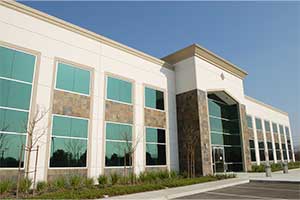
New Hope CORPS is 18.2 miles from Key Largo, Florida
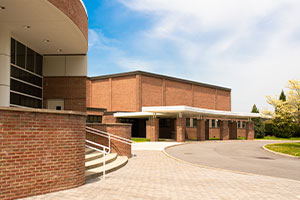
Agape Network is 20.9 miles from Key Largo, Florida
Agape Network has been dedicating its treatment programs and services to helping people who are struggling with substances of abuse in Key Largo and its surrounding area.
Agape Network offers a wide collection of treatment and rehabilitation programs, including long term drug and alcohol rehab programs, inpatient drug rehab centers, outpatient detoxification centers, outpatient hospital programs, short term treatment programs and more. Agape Network also believes that it is vital that it provides unique services to ensure that individuals get the results that they want. This is why Agape Network is specialized in trauma therapy, anger management, cognitive/behavior therapy, dual diagnosis drug rehab, trauma-related counseling, matrix model, among other programs.
Agape Network also provides persons with serious mental illness, aftercare/continuing care, residential beds for client's children, clients with HIV/AIDS, transgender or (LGBT) clients, veterans, and offers some of the best aftercare programs - all of which are helpful to its clients. This alcohol and drug rehabilitation program also uses treatment modalities that can help you achieve the best possible outcome.
Agape Network also accepts the following types of payment - private health insurance, cash or self-payment, medicaid, medicare, sliding fee scale, state welfare or child and family services funds, access to recovery (atr) voucher and more.
Inpatient drug rehab provides a structured environment for individuals recovering from substance use disorders. The specific details of a typical day can vary between facilities, but most will follow a general schedule that includes therapeutic activities, meals, free time, and sleep. Here's a rough outline of what a day in an inpatient rehab might look like:
Morning:
Afternoon:
Evening:
Throughout the day, residents may also have scheduled times for medication (if applicable), physical exercise, and meeting with their treatment team. The goal of this structured daily routine is to provide a stable, supportive environment that promotes healing and recovery.
It's important to note that the exact schedule and types of activities will vary between different rehab centers and individual treatment plans. When choosing a rehab center, it can be helpful to ask about the daily schedule and types of therapies offered to ensure it aligns with your needs and preferences.
The duration of drug withdrawal symptoms can vary widely depending on several factors, including the type of substance used, the duration of use, the degree of dependence, individual metabolism and health status, and whether one quits cold turkey or with medical assistance.
Generally, withdrawal symptoms can be divided into acute and post-acute phases:
Acute Withdrawal: This is the initial phase of withdrawal, where physical symptoms are typically the most severe. Depending on the substance, acute withdrawal symptoms can begin within a few hours to a few days after the last use and can last anywhere from a few days to a few weeks. For example, alcohol withdrawal symptoms often start within 8 hours of the last drink and can last up to a few days or weeks, while opioid withdrawal symptoms usually start within 12-30 hours of the last dose and can last approximately a week.
Post-Acute Withdrawal Syndrome (PAWS): Some individuals may experience a second phase of withdrawal known as Post-Acute Withdrawal Syndrome. PAWS refers to a group of symptoms that occur after the acute withdrawal phase, predominantly psychological, such as anxiety, irritability, mood swings, depression, and sleep disturbances. PAWS can last from a few weeks to a year or more after the cessation of substance use.
It's important to remember that withdrawal can be dangerous and even life-threatening in some cases, especially when it comes to substances like alcohol and benzodiazepines. Therefore, withdrawal should always be done under medical supervision. The support and treatment offered by medical professionals during detoxification can also help to mitigate withdrawal symptoms and make the process safer and more comfortable.
National Non Profit Helpline - 1-877-882-9275
Our National Non Profit Helpline is a 24/7, 365-day-a-year treatment referral and information service for individuals and families faced with mental and/or substance use disorders.
All calls are strictly confidential
Our service provides referrals to licensed treatment facilities, support groups, and community-based organizations. You don't have to struggle alone with addiction. Help is just a phone call away. Call 1-877-882-9275 now to get the help you need and deserve.



© Copyright 1998 - 2022 All Rights Reserved. Content is protected under copyright laws, do not use content without written permission.
