

14505 Commerce Way
Hialeah, FL. 33016
305-644-7294
Hialeah, FL has several nearby treatment choices including: 1 low cost program, 0 inpatient rehab center, 2 drug rehabs that take private insurance like UnitedHealthCare, 1 drug and alcohol detox, 4 outpatient treatment programs.

For help finding an addiction treatment center, Call us!
All calls are 100% confidential and free
1-877-882-9275You can now filter our treatment results to show you tailored rehab programs that fit your exact needs. Just choose the type of treatment you are looking for, a payment type such as private insurance or low cost, and any specialized treatment approach you are interested in. Click submit and we will provide a list of alcohol and drug rehab centers that match your criteria.



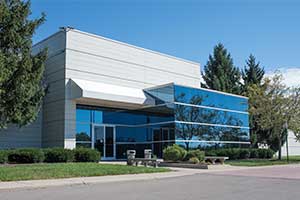
Advanced Recovery and Counseling LLC has made a name for itself by dedicating its recovery services to the individuals who struggle with alcohol and drug abuse issues in Hialeah and its surrounding areas.
Services are offered on an individualized basis to ensure clients find full recovery in the long term. Advanced Recovery and Counseling LLC has also specialized in dialectical behavior therapy, motivational interviewing, behavior modification, rational emotive behavioral therapy, activity therapy, cognitive/behavior therapy, and others - as well as other treatment methods such as seniors or older adults, residential beds for client's children, programs for the hearing impaired, clients referred from the court/judicial system, self-help groups, legal advocacy, and more.
Additionally, Advanced Recovery and Counseling LLC has programs such as inpatient drug addiction treatment, outpatient counseling, detox facilities, long term addiction treatment centers, short term addiction treatment facilities for verifiable addictions to drugs and alcohol. The alcohol and drug treatment program uses treatment methods that can provide lasting and permanent stability to anyone with a drug and alcohol use issue. Finally, Advanced Recovery and Counseling LLC accepts clients with different kinds of payment methods - including cash or self-payment, private insurance, payment assistance, military insurance, state education funds, other state funds and others.

Concept Health Systems Inc is known for dedicating its addiction services to the individuals who struggle with drug and alcohol use issues in the Hialeah, FL. area.
Services are provided on an individualized basis to make sure clients achieve full recovery in the long term. Concept Health Systems Inc also specializes in dialectical behavior therapy, motivational interviewing, behavior modification, rational emotive behavioral therapy, activity therapy, cognitive/behavior therapy, and others - as well as other treatment modalities such as seniors or older adults, residential beds for client's children, programs for the hearing impaired, clients referred from the court/judicial system, self-help groups, legal advocacy, and more.
Additionally, Concept Health Systems Inc has programs such as inpatient rehab programs, outpatient substance abuse counseling, inpatient detox facilities, long term drug rehab programs, short term addiction treatment centers for verifiable addictions to alcohol and drugs. The drug and alcohol rehabilitation program uses treatment methods that can provide lasting stability to anyone with a drug and alcohol use problem. Finally, Concept Health Systems Inc accepts clients with different types of payment methods - including private pay, private health insurance, payment assistance, military insurance, state education funds, other state funds and others.

Deciding to distance yourself from a loved one who is struggling with addiction is a deeply personal and difficult decision. There's no universal right or wrong answer, as it depends on the individual circumstances, the severity of the addiction, the impact on your wellbeing, and other factors. However, there are a few circumstances where walking away might be the appropriate course of action:
Physical symptoms: Changes in appearance, such as weight loss or gain, poor hygiene, bloodshot eyes, or constricted pupils, can be indicative of addiction. Additionally, the person may display signs of intoxication or withdrawal, such as tremors, sweating, or flu-like symptoms.
Behavioral changes: Addiction can lead to significant shifts in behavior, such as increased secrecy, social isolation, or sudden mood swings. The person may neglect responsibilities, withdraw from activities they once enjoyed, or display uncharacteristic aggression or irritability.
Loss of control: A hallmark of addiction is the inability to control substance use or engagement in harmful behaviors, even when the person expresses a desire to stop. This can lead to increased frequency or intensity of use, as well as unsuccessful attempts to quit or cut down.
Preoccupation: The person may become preoccupied with obtaining, using, or recovering from the effects of the substance or behavior, often at the expense of other aspects of their life.
Risk-taking: Addiction can lead to increased risk-taking behaviors, such as using substances in dangerous situations, driving under the influence, or engaging in risky sexual activities.
Neglecting relationships: Addiction can strain personal relationships, as the person may prioritize their substance use or behavior over their connections with friends and family.
Changes in sleep patterns and energy levels: Addiction can cause disruptions in sleep patterns, leading to insomnia or excessive sleepiness. The person may also experience fluctuations in energy levels, such as periods of hyperactivity followed by lethargy.
Tolerance and withdrawal: Over time, individuals with addiction may develop a tolerance to the substance or behavior, requiring higher doses or more frequent engagement to achieve the desired effect. If the person stops using the substance or engaging in the behavior, they may experience withdrawal symptoms, such as anxiety, irritability, insomnia, or physical discomfort.
Continued use despite negative consequences: A key sign of addiction is the persistence of substance use or engagement in harmful behaviors despite experiencing negative consequences, such as health issues, relationship problems, financial difficulties, or legal troubles.
Neglect of responsibilities: Addiction can cause a person to neglect personal, professional, or family obligations, resulting in job loss, financial difficulties, or relationship problems.
SAMHSA, or the Substance Abuse and Mental Health Services Administration, is an U.S. federal agency within the Department of Health and Human Services (HHS). Established in 1992, its primary mission is to reduce the impact of substance abuse and mental illness on American communities. SAMHSA focuses on improving the quality and availability of prevention, treatment, and rehabilitation services related to substance use disorders and mental health conditions.
Some of the key functions and responsibilities of SAMHSA include:
To support its mission, SAMHSA operates various centers, such as the Center for Substance Abuse Prevention, the Center for Substance Abuse Treatment, and the Center for Mental Health Services. Additionally, the agency manages the National Helpline (1-800-662-HELP), a confidential, free, 24/7, 365-day-a-year treatment referral and information service for individuals and families facing mental health and/or substance use disorders.
National Non Profit Helpline - 1-877-882-9275
Our National Non Profit Helpline is a 24/7, 365-day-a-year treatment referral and information service for individuals and families faced with mental and/or substance use disorders.
All calls are strictly confidential
Our service provides referrals to licensed treatment facilities, support groups, and community-based organizations. You don't have to struggle alone with addiction. Help is just a phone call away. Call 1-877-882-9275 now to get the help you need and deserve.



© Copyright 1998 - 2022 All Rights Reserved. Content is protected under copyright laws, do not use content without written permission.

