
4101 Parker Avenue
West Palm Beach, FL. 33405
561-616-1222
West Palm Beach, FL has a wide range of treatment options including: 11 low cost treatment centers, 14 inpatient treatment centers, 26 drug rehabs that take private insurance like BCBS, 12 drug detox, 23 outpatient treatment programs.

For help finding an addiction treatment center, Call us!
All calls are 100% confidential and free
1-877-882-9275You can now filter our treatment results to show you tailored rehab programs that fit your exact needs. Just choose the type of treatment you are looking for, a payment type such as private insurance or low cost, and any specialized treatment approach you are interested in. Click submit and we will provide a list of alcohol and drug rehab centers that match your criteria.



Jesus and You Outreach Ministries Inc has been providing addiction treatment and rehabilitation services to residents of the West Palm Beach, FL. area. Today, Jesus and You Outreach Ministries Inc provides services like rational emotive behavioral therapy, trauma therapy, dual diagnosis drug rehab, substance abuse counseling approach, group therapy, trauma-related counseling and others in keeping with its belief of following rehabilitation treatments that work best to help addicts achieve recovery.
This substance abuse treatment center also thinks that the way to get the best result for the client is to offer individual care. Services are available in the following settings - outpatient day treatment, inpatient detox centers, inpatient rehabs, long term treatment programs, short term drug and alcohol rehabs and others.
It also believes that an aftercare program is integral in promoting recovery in the long term. Lastly, Jesus and You Outreach Ministries Inc accepts private medical insurance, cash or self-payment, medicare, medicaid, sliding fee scale, state welfare or child and family services funds, state corrections or juvenile justice funds and others as forms of payment.

Academy Health Solutions has been offering ongoing addiction care and rehabilitation services to people who live in the West Palm Beach area. Today, Academy Health Solutions provides services like rational emotive behavioral therapy, trauma therapy, dual diagnosis drug rehab, substance abuse counseling approach, group therapy, trauma-related counseling and others in keeping with its philosophy of following rehab treatments that work best to help clients achieve recovery.
This drug and alcohol treatment program also thinks that the way to get the best result for the client is to offer individual care. Services are available in the following settings - intensive outpatient treatment, inpatient detoxification centers, inpatient treatment programs, long term drug treatment, short term drug addiction treatment and others.
Academy Health Solutions also offers aftercare programs to ensure that its clients achieve positive outcomes both in the short and in the long term. Lastly, Academy Health Solutions accepts private health insurance, private pay, medicare, medicaid, sliding fee scale, state welfare or child and family services funds, state corrections or juvenile justice funds and others as payment forms.

Allure Detox has been offering ongoing addiction care and rehab services to people who live in the West Palm Beach area. Today, Allure Detox offers services like rational emotive behavioral therapy, trauma therapy, dual diagnosis drug rehab, substance abuse counseling approach, group therapy, trauma-related counseling and others in keeping with its philosophy of following rehabilitation treatments that work best to help people achieve recovery.
This alcohol and drug treatment facility also believes the best form of treatment to ensure success is to offer individualized care. Services are available in the following settings - outpatient substance abuse counseling, outpatient detox centers, inpatient drug and alcohol rehab facilities, long term drug and alcohol rehab centers, short term drug rehab centers and others.
For long term abstinence, sobriety and full recovery Allure Detox offers an aftercare program. Lastly, Allure Detox accepts private health insurance, cash or self-payment, medicare, medicaid, sliding fee scale, state welfare or child and family services funds, state corrections or juvenile justice funds and others as forms of payment.

Believe Drug and Alcohol Treatment Ctr has been providing ongoing addiction care and rehab services to residents of the West Palm Beach, FL. area. Today, Believe Drug and Alcohol Treatment Ctr offers services like rational emotive behavioral therapy, trauma therapy, dual diagnosis drug rehab, substance abuse counseling approach, group therapy, trauma-related counseling and others in line with its belief of following rehab treatments that work best to help addicts achieve recovery.
This substance abuse treatment center also thinks that the way to get the best result for the client is to offer individual care. Services are available in the following settings - intensive outpatient treatment, inpatient detoxification centers, inpatient drug and alcohol rehabs, long term drug abuse treatment, short term treatment facilities and others.
Believe Drug and Alcohol Treatment Ctr also offers aftercare programs to ensure that its clients achieve positive outcomes both in the short and in the long term. Lastly, Believe Drug and Alcohol Treatment Ctr accepts private medical insurance, private pay, medicaid, medicare, sliding fee scale, state welfare or child and family services funds, state corrections or juvenile justice funds and others as forms of payment.

Recovery Team Inc has been providing ongoing recovery treatment and rehabilitation services to residents of the West Palm Beach, FL. area. Today, Recovery Team Inc offers services like rational emotive behavioral therapy, trauma therapy, dual diagnosis drug rehab, substance abuse counseling approach, group therapy, trauma-related counseling and others in line with its philosophy of following rehabilitation treatments that work best to help clients achieve recovery.
This substance abuse treatment center also believes the best form of treatment to ensure success is to offer individualized care. Services are available in the following settings - outpatient individual counseling, detox centers, inpatient drug and alcohol rehab facilities, long term rehab facilities, short term treatment facilities and others.
It also believes that an aftercare program is integral in promoting recovery in the long term. Lastly, Recovery Team Inc accepts private health insurance, cash or self-payment, medicare, medicaid, sliding fee scale, state welfare or child and family services funds, state corrections or juvenile justice funds and others as payment forms.

West Palm Beach Treatment Center has been offering ongoing addiction treatment and rehab services to the residents of West Palm Beach, Florida and those living within the surrounding communities. Today, West Palm Beach Treatment Center provides services like rational emotive behavioral therapy, trauma therapy, dual diagnosis drug rehab, substance abuse counseling approach, group therapy, trauma-related counseling and others in line with its philosophy of following rehabilitation treatments that work best to help clients achieve recovery.
This substance abuse treatment facility also thinks that the way to get the best result for the client is to offer individual care. Services are available in the following settings - outpatient substance abuse treatment services, outpatient detoxification programs, inpatient drug treatment, long term drug and alcohol rehab programs, short term drug abuse treatment and others.
For long term abstinence, sobriety and full recovery West Palm Beach Treatment Center offers an aftercare program. Lastly, West Palm Beach Treatment Center accepts private health insurance, private pay, medicaid, medicare, sliding fee scale, state welfare or child and family services funds, state corrections or juvenile justice funds and others as payment forms.
Intrepid Detox Residential has been offering ongoing addiction care and rehabilitation services to residents of the West Palm Beach, FL. area. Today, Intrepid Detox Residential provides services like rational emotive behavioral therapy, trauma therapy, dual diagnosis drug rehab, substance abuse counseling approach, group therapy, trauma-related counseling and others in keeping with its philosophy of following rehabilitation treatments that work best to help addicts achieve recovery.
This drug and alcohol rehabilitation program also believes that individual care for each client is the best way to provide them with the best form of treatment. Services are available in the following settings - outpatient substance abuse counseling, detoxification facilities, inpatient treatment facilities, long term rehab facilities, short term addiction treatment facilities and others.
It also believes that an aftercare program is integral in promoting recovery in the long term. Lastly, Intrepid Detox Residential accepts private health insurance, private pay, medicare, medicaid, sliding fee scale, state welfare or child and family services funds, state corrections or juvenile justice funds and others as payment forms.
Renew Counseling Center has been offering addiction treatment and rehabilitation services to people who live in the West Palm Beach area. Today, Renew Counseling Center provides services like rational emotive behavioral therapy, trauma therapy, dual diagnosis drug rehab, substance abuse counseling approach, group therapy, trauma-related counseling and others in line with its philosophy of following rehab treatments that work best to help clients achieve sobriety.
This alcohol and drug rehab program also believes the best form of treatment to ensure success is to offer individualized care. Services are available in the following settings - outpatient hospital programs, outpatient detox facilities, inpatient addiction treatment centers, long term rehabs, short term treatment centers and others.
Renew Counseling Center also offers aftercare programs to ensure that its clients achieve positive outcomes both in the short and in the long term. Lastly, Renew Counseling Center accepts private health insurance, cash or self-payment, medicare, medicaid, sliding fee scale, state welfare or child and family services funds, state corrections or juvenile justice funds and others as forms of payment.
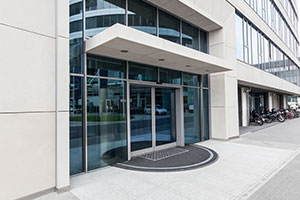
iKare Treatment Center LLC has been offering ongoing addiction care and rehab services to the residents of West Palm Beach, Florida and those living within the surrounding communities. Today, iKare Treatment Center LLC provides services like rational emotive behavioral therapy, trauma therapy, dual diagnosis drug rehab, substance abuse counseling approach, group therapy, trauma-related counseling and others in line with its belief of following rehab treatments that work best to help addicts achieve sobriety.
This alcohol and drug rehab program also thinks that the way to get the best result for the client is to offer individual care. Services are available in the following settings - outpatient hospital programs, detoxification programs, inpatient addiction treatment centers, long term addiction treatment centers, short term rehabs and others.
iKare Treatment Center LLC also offers aftercare programs to ensure that its clients achieve positive outcomes both in the short and in the long term. Lastly, iKare Treatment Center LLC accepts private medical insurance, private pay, medicare, medicaid, sliding fee scale, state welfare or child and family services funds, state corrections or juvenile justice funds and others as forms of payment.
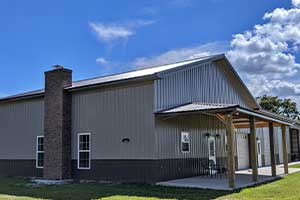
Drug Abuse Foundation of has been offering addiction care and rehabilitation services to the residents of West Palm Beach, Florida and those living within the surrounding communities. Today, Drug Abuse Foundation of provides services like rational emotive behavioral therapy, trauma therapy, dual diagnosis drug rehab, substance abuse counseling approach, group therapy, trauma-related counseling and others in line with its belief of following rehabilitation treatments that work best to help clients achieve recovery.
This alcohol and drug treatment program also believes the best form of treatment to ensure success is to offer individualized care. Services are available in the following settings - outpatient substance abuse counseling, inpatient detoxification centers, inpatient drug addiction treatment, long term treatment facilities, short term drug and alcohol rehab centers and others.
It also believes that an aftercare program is integral in promoting recovery in the long term. Lastly, Drug Abuse Foundation of accepts private insurance, private pay, medicaid, medicare, sliding fee scale, state welfare or child and family services funds, state corrections or juvenile justice funds and others as payment forms.

Ebb Tide Treatment LLC has been providing ongoing recovery care and rehabilitation services to the residents of West Palm Beach, Florida and those living within the surrounding communities. Today, Ebb Tide Treatment LLC provides services like rational emotive behavioral therapy, trauma therapy, dual diagnosis drug rehab, substance abuse counseling approach, group therapy, trauma-related counseling and others in keeping with its philosophy of following rehab treatments that work best to help people achieve recovery.
This alcohol and drug rehabilitation program also believes that individual care for each client is the best way to provide them with the best form of treatment. Services are available in the following settings - outpatient substance abuse counseling, inpatient detoxification programs, inpatient treatment facilities, long term drug and alcohol rehab programs, short term rehab centers and others.
It also believes that an aftercare program is integral in promoting recovery in the long term. Lastly, Ebb Tide Treatment LLC accepts private health insurance, cash or self-payment, medicare, medicaid, sliding fee scale, state welfare or child and family services funds, state corrections or juvenile justice funds and others as forms of payment.

Good Life Treatment Center has been providing addiction treatment and rehab services to people who live in the West Palm Beach area. Today, Good Life Treatment Center provides services like rational emotive behavioral therapy, trauma therapy, dual diagnosis drug rehab, substance abuse counseling approach, group therapy, trauma-related counseling and others in keeping with its philosophy of following rehab treatments that work best to help clients achieve sobriety.
This alcohol and drug treatment facility also believes the best form of treatment to ensure success is to offer individualized care. Services are available in the following settings - outpatient counseling, inpatient detoxification programs, inpatient rehab centers, long term drug and alcohol rehab facilities, short term addiction treatment centers and others.
For long term abstinence, sobriety and full recovery Good Life Treatment Center offers an aftercare program. Lastly, Good Life Treatment Center accepts private medical insurance, private pay, medicare, medicaid, sliding fee scale, state welfare or child and family services funds, state corrections or juvenile justice funds and others as forms of payment.
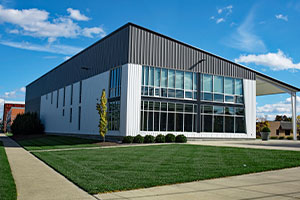
Behavioral Health of the Palm Beaches has been offering addiction care and rehabilitation services to the residents of West Palm Beach, Florida and those living within the surrounding communities. Today, Behavioral Health of the Palm Beaches offers services like rational emotive behavioral therapy, trauma therapy, dual diagnosis drug rehab, substance abuse counseling approach, group therapy, trauma-related counseling and others in line with its belief of following rehabilitation treatments that work best to help addicts achieve sobriety.
This drug and alcohol rehab also thinks that the way to get the best result for the client is to offer individual care. Services are available in the following settings - outpatient substance abuse counseling, detox facilities, inpatient drug and alcohol rehab facilities, long term rehab centers, short term drug rehab facilities and others.
It also believes that an aftercare program is integral in promoting recovery in the long term. Lastly, Behavioral Health of the Palm Beaches accepts private medical insurance, cash or self-payment, medicaid, medicare, sliding fee scale, state welfare or child and family services funds, state corrections or juvenile justice funds and others as forms of payment.

Beachway Therapy Center LLC has been offering recovery care and rehabilitation services to people who live in the West Palm Beach area. Today, Beachway Therapy Center LLC offers services like rational emotive behavioral therapy, trauma therapy, dual diagnosis drug rehab, substance abuse counseling approach, group therapy, trauma-related counseling and others in keeping with its philosophy of following rehab treatments that work best to help people achieve sobriety.
This alcohol and drug treatment facility also believes that individual care for each client is the best way to provide them with the best form of treatment. Services are available in the following settings - outpatient hospital programs, detox programs, inpatient drug abuse treatment, long term drug rehab programs, short term rehab facilities and others.
For long term abstinence, sobriety and full recovery Beachway Therapy Center LLC offers an aftercare program. Lastly, Beachway Therapy Center LLC accepts private medical insurance, cash or self-payment, medicaid, medicare, sliding fee scale, state welfare or child and family services funds, state corrections or juvenile justice funds and others as forms of payment.
Mandala Healing Center has been providing ongoing recovery treatment and rehab services to people who live in the West Palm Beach area. Today, Mandala Healing Center offers services like rational emotive behavioral therapy, trauma therapy, dual diagnosis drug rehab, substance abuse counseling approach, group therapy, trauma-related counseling and others in keeping with its belief of following rehab treatments that work best to help clients achieve recovery.
This addiction treatment program also thinks that the way to get the best result for the client is to offer individual care. Services are available in the following settings - outpatient day treatment, outpatient detoxification programs, inpatient drug rehab centers, long term drug treatment, short term drug addiction treatment and others.
Mandala Healing Center also offers aftercare programs to ensure that its clients achieve positive outcomes both in the short and in the long term. Lastly, Mandala Healing Center accepts private medical insurance, private pay, medicaid, medicare, sliding fee scale, state welfare or child and family services funds, state corrections or juvenile justice funds and others as forms of payment.
Clean and Sober Recovery Center Inc has been providing ongoing recovery treatment and rehabilitation services to the residents of West Palm Beach, Florida and those living within the surrounding communities. Today, Clean and Sober Recovery Center Inc offers services like rational emotive behavioral therapy, trauma therapy, dual diagnosis drug rehab, substance abuse counseling approach, group therapy, trauma-related counseling and others in keeping with its philosophy of following rehabilitation treatments that work best to help addicts achieve sobriety.
This alcohol and drug treatment program also believes that individual care for each client is the best way to provide them with the best form of treatment. Services are available in the following settings - intensive outpatient treatment, detoxification centers, inpatient rehab centers, long term treatment centers, short term drug and alcohol rehab programs and others.
For long term abstinence, sobriety and full recovery Clean and Sober Recovery Center Inc offers an aftercare program. Lastly, Clean and Sober Recovery Center Inc accepts private medical insurance, cash or self-payment, medicare, medicaid, sliding fee scale, state welfare or child and family services funds, state corrections or juvenile justice funds and others as payment forms.
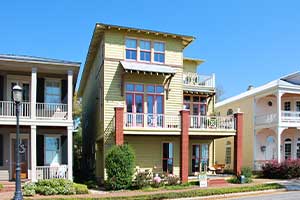
Ambrosia of the Palm Beaches has been offering addiction treatment and rehab services to people who live in the West Palm Beach area. Today, Ambrosia of the Palm Beaches offers services like rational emotive behavioral therapy, trauma therapy, dual diagnosis drug rehab, substance abuse counseling approach, group therapy, trauma-related counseling and others in line with its belief of following rehab treatments that work best to help people achieve recovery.
This addiction treatment center also believes the best form of treatment to ensure success is to offer individualized care. Services are available in the following settings - outpatient hospital programs, inpatient detox programs, inpatient drug and alcohol rehabs, long term drug and alcohol rehab facilities, short term treatment centers and others.
It also believes that an aftercare program is integral in promoting recovery in the long term. Lastly, Ambrosia of the Palm Beaches accepts private health insurance, private pay, medicare, medicaid, sliding fee scale, state welfare or child and family services funds, state corrections or juvenile justice funds and others as payment forms.
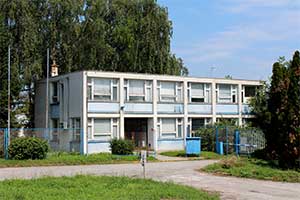
Serenity House Detox Palm Beach has been offering ongoing addiction care and rehabilitation services to the residents of West Palm Beach, Florida and those living within the surrounding communities. Today, Serenity House Detox Palm Beach provides services like rational emotive behavioral therapy, trauma therapy, dual diagnosis drug rehab, substance abuse counseling approach, group therapy, trauma-related counseling and others in keeping with its belief of following rehabilitation treatments that work best to help clients achieve sobriety.
This drug and alcohol rehabilitation program also believes that individual care for each client is the best way to provide them with the best form of treatment. Services are available in the following settings - outpatient counseling, inpatient detoxification facilities, inpatient rehab centers, long term rehabs, short term treatment facilities and others.
Serenity House Detox Palm Beach also offers aftercare programs to ensure that its clients achieve positive outcomes both in the short and in the long term. Lastly, Serenity House Detox Palm Beach accepts private insurance, private pay, medicare, medicaid, sliding fee scale, state welfare or child and family services funds, state corrections or juvenile justice funds and others as forms of payment.
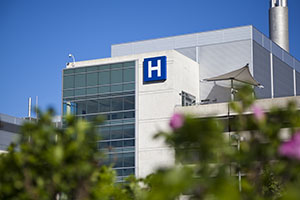

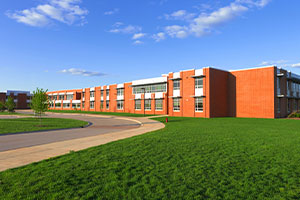
Pivot Treatment and Wellness Centers has been providing recovery care and rehabilitation services to residents of the West Palm Beach, FL. area. Today, Pivot Treatment and Wellness Centers offers services like rational emotive behavioral therapy, trauma therapy, dual diagnosis drug rehab, substance abuse counseling approach, group therapy, trauma-related counseling and others in line with its belief of following rehabilitation treatments that work best to help people achieve sobriety.
This substance abuse treatment center also believes the best form of treatment to ensure success is to offer individualized care. Services are available in the following settings - outpatient individual counseling, inpatient detoxification programs, inpatient drug treatment, long term addiction treatment facilities, short term drug and alcohol rehab programs and others.
It also believes that an aftercare program is integral in promoting recovery in the long term. Lastly, Pivot Treatment and Wellness Centers accepts private medical insurance, private pay, medicare, medicaid, sliding fee scale, state welfare or child and family services funds, state corrections or juvenile justice funds and others as payment forms.

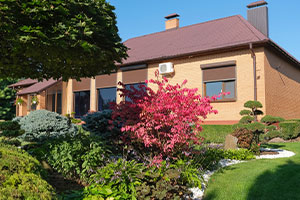
Chapel Hill Medical Detox has been offering recovery care and rehab services to residents of the West Palm Beach, FL. area. Today, Chapel Hill Medical Detox offers services like rational emotive behavioral therapy, trauma therapy, dual diagnosis drug rehab, substance abuse counseling approach, group therapy, trauma-related counseling and others in line with its philosophy of following rehab treatments that work best to help addicts achieve recovery.
This drug and alcohol treatment facility also believes the best form of treatment to ensure success is to offer individualized care. Services are available in the following settings - intensive outpatient treatment, outpatient detox facilities, inpatient addiction treatment programs, long term rehab programs, short term drug and alcohol rehab programs and others.
For long term abstinence, sobriety and full recovery Chapel Hill Medical Detox offers an aftercare program. Lastly, Chapel Hill Medical Detox accepts private insurance, cash or self-payment, medicaid, medicare, sliding fee scale, state welfare or child and family services funds, state corrections or juvenile justice funds and others as payment forms.

Changes Wellness Center LLC has been providing addiction care and rehabilitation services to people who live in the West Palm Beach area. Today, Changes Wellness Center LLC provides services like rational emotive behavioral therapy, trauma therapy, dual diagnosis drug rehab, substance abuse counseling approach, group therapy, trauma-related counseling and others in keeping with its philosophy of following rehab treatments that work best to help people achieve sobriety.
This alcohol and drug rehab center also believes that individual care for each client is the best way to provide them with the best form of treatment. Services are available in the following settings - outpatient substance abuse treatment services, detoxification centers, inpatient treatment facilities, long term drug and alcohol rehab centers, short term drug and alcohol rehab centers and others.
Changes Wellness Center LLC also offers aftercare programs to ensure that its clients achieve positive outcomes both in the short and in the long term. Lastly, Changes Wellness Center LLC accepts private health insurance, cash or self-payment, medicare, medicaid, sliding fee scale, state welfare or child and family services funds, state corrections or juvenile justice funds and others as forms of payment.
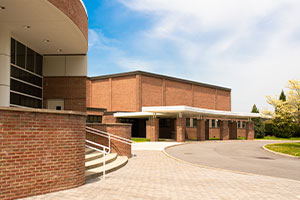
Seaside Palm Beach has been providing ongoing addiction care and rehabilitation services to residents of the West Palm Beach, FL. area. Today, Seaside Palm Beach offers services like rational emotive behavioral therapy, trauma therapy, dual diagnosis drug rehab, substance abuse counseling approach, group therapy, trauma-related counseling and others in keeping with its belief of following rehab treatments that work best to help clients achieve recovery.
This alcohol and drug rehabilitation program also thinks that the way to get the best result for the client is to offer individual care. Services are available in the following settings - outpatient day treatment, inpatient detoxification facilities, inpatient drug rehab facilities, long term drug addiction treatment, short term drug and alcohol rehab programs and others.
For long term abstinence, sobriety and full recovery Seaside Palm Beach offers an aftercare program. Lastly, Seaside Palm Beach accepts private medical insurance, cash or self-payment, medicare, medicaid, sliding fee scale, state welfare or child and family services funds, state corrections or juvenile justice funds and others as forms of payment.

Relax Behavioral Health has been offering recovery care and rehabilitation services to residents of the West Palm Beach, FL. area. Today, Relax Behavioral Health offers services like rational emotive behavioral therapy, trauma therapy, dual diagnosis drug rehab, substance abuse counseling approach, group therapy, trauma-related counseling and others in keeping with its belief of following rehabilitation treatments that work best to help people achieve recovery.
This addiction treatment center also believes that individual care for each client is the best way to provide them with the best form of treatment. Services are available in the following settings - outpatient counseling, inpatient detoxification programs, inpatient treatment centers, long term drug abuse treatment, short term drug and alcohol rehabs and others.
For long term abstinence, sobriety and full recovery Relax Behavioral Health offers an aftercare program. Lastly, Relax Behavioral Health accepts private medical insurance, private pay, medicare, medicaid, sliding fee scale, state welfare or child and family services funds, state corrections or juvenile justice funds and others as forms of payment.
Inpatient drug rehab provides a structured environment for individuals recovering from substance use disorders. The specific details of a typical day can vary between facilities, but most will follow a general schedule that includes therapeutic activities, meals, free time, and sleep. Here's a rough outline of what a day in an inpatient rehab might look like:
Morning:
Afternoon:
Evening:
Throughout the day, residents may also have scheduled times for medication (if applicable), physical exercise, and meeting with their treatment team. The goal of this structured daily routine is to provide a stable, supportive environment that promotes healing and recovery.
It's important to note that the exact schedule and types of activities will vary between different rehab centers and individual treatment plans. When choosing a rehab center, it can be helpful to ask about the daily schedule and types of therapies offered to ensure it aligns with your needs and preferences.
Several relationship factors can increase the risk of developing a drug or alcohol abuse problem. These include:
Drug addiction, often referred to as Substance Use Disorder (SUD) in the mental health field, is a complex condition characterized by compulsive drug use despite harmful consequences. It's considered a brain disease because drugs change the brain's structure and how it works, leading to changes that can persist long after the cessation of drug use. Here are several reasons why it's not simply a matter of willpower to stop using drugs:
Physical Dependence: Repeated drug use can lead to physical dependence, where the body adapts to the drug and requires it to function normally. Abruptly stopping the drug can lead to withdrawal symptoms, which can be uncomfortable or even dangerous, creating a compelling reason to continue using the drug.
Changes in Brain Function: Drug use can disrupt critical brain areas involved in reward, motivation, learning, judgment, and memory. This can lead to intense cravings for the drug and impaired ability to resist drug use, even in the face of negative consequences.
Co-occurring Mental Health Disorders: Many individuals with substance use disorders also have other mental health disorders, such as depression, anxiety, or post-traumatic stress disorder. These individuals may use drugs as a way to self-medicate, making it difficult to stop without treating the underlying condition.
Environmental Factors: Social and environmental cues can trigger cravings and make it difficult to avoid substance use. This can include things like spending time with friends who use drugs, living in a stressful or chaotic environment, or even visiting places where they used to use drugs.
Psychological Factors: Some individuals may use drugs to cope with stress, trauma, or other adverse experiences. Without healthier coping mechanisms and support, it can be very challenging to stop using drugs.
It's essential to understand that addiction is a chronic disease, similar to diabetes or heart disease, and not a moral failing or lack of discipline. Just as with other chronic diseases, treatment often isn't a matter of simply deciding to stop. It usually involves medical intervention, behavioral therapies, and long-term support. With the right treatment and support, recovery from addiction is entirely possible.
National Non Profit Helpline - 1-877-882-9275
Our National Non Profit Helpline is a 24/7, 365-day-a-year treatment referral and information service for individuals and families faced with mental and/or substance use disorders.
All calls are strictly confidential
Our service provides referrals to licensed treatment facilities, support groups, and community-based organizations. You don't have to struggle alone with addiction. Help is just a phone call away. Call 1-877-882-9275 now to get the help you need and deserve.



© Copyright 1998 - 2022 All Rights Reserved. Content is protected under copyright laws, do not use content without written permission.


