
390 16th Avenue South
Jacksonville Beach, FL. 32250
904-685-9083
Jacksonville Beach, FL has nearby treatment options including: 0 low cost treatment center, 2 inpatient treatment centers, 4 drug rehabs that take private insurance like Cigna, 2 drug detox, 4 outpatient rehabs.

For help finding an addiction treatment center, Call us!
All calls are 100% confidential and free
1-877-882-9275




2nd Chance Counseling Inc is 8.7 miles from Jacksonville Beach, Florida
2nd Chance Counseling Inc provides addiction care and rehab services such as short term treatment facilities, long term rehab facilities, outpatient detoxification centers, outpatient hospital programs, inpatient rehab facilities, and others to people residing in the Jacksonville Beach, FL. area so that they overcome their drug and alcohol abuse disorders and find full sobriety. It has services - such as motivational interviewing, substance abuse counseling approach, group therapy, cognitive/behavior therapy, couple/family therapy, dual diagnosis drug rehab, and others - which follow its philosophy of the programs that work most effectively. This is because 2nd Chance Counseling Inc believes that full sobriety can only be achieved through highly individualized and personalized care.
In addition, the alcohol and drug rehab program specializes in many other programs - like child care for clients children, substance abuse education, programs for the hearing impaired, veterans, co-occurring mental and substance abuse disorders, self-help groups and more - as well as many other treatment methods that you can find listed below. Further, this drug and alcohol treatment program has aftercare programs that work in line with its treatment methods to ensure that individuals maintain full, lasting, and permanent abstinence and sobriety from drugs and alcohol.
Lastly, 2nd Chance Counseling Inc accepts private medical insurance, private pay, military insurance, sliding fee scale, access to recovery (atr) voucher, state corrections or juvenile justice funds, and more.

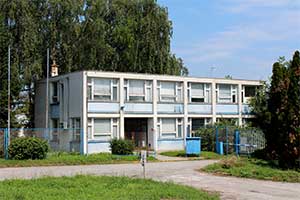
Stepping Stone Center for Recovery is 9.1 miles from Jacksonville Beach, FL
Stepping Stone Center for Recovery provides recovery treatment and rehab services such as short term drug and alcohol rehabs, long term rehab programs, inpatient detoxification centers, outpatient substance abuse treatment services, inpatient addiction treatment facilities, and others to clients living in the Jacksonville Beach, FL. area so that they conquer their substance abuse disorders and achieve full sobriety. It has services - such as motivational interviewing, substance abuse counseling approach, group therapy, cognitive/behavior therapy, couple/family therapy, dual diagnosis drug rehab, and others - which follow its philosophy of the programs that work most effectively. This is because Stepping Stone Center for Recovery believes that complete recovery can only be achieved through highly individualized and personalized care.
Further, the drug and alcohol rehab specializes in many other programs - like child care for clients children, substance abuse education, programs for the hearing impaired, veterans, co-occurring mental and substance abuse disorders, self-help groups and more - as well as many other treatment modalities that you can find listed below. Further, this alcohol and drug rehab has aftercare programs that work in line with its treatment modalities to make sure that individuals achieve full, lasting, and permanent abstinence and sobriety from drugs and alcohol.
Lastly, Stepping Stone Center for Recovery accepts private insurance, cash or self-payment, military insurance, sliding fee scale, access to recovery (atr) voucher, state corrections or juvenile justice funds, and more.


Lakeview Health is 9.1 miles from Jacksonville Beach, FL
Opioid addiction is a chronic condition characterized by compulsive use of opioids despite harmful consequences. Recognizing the symptoms of opioid addiction can help in providing timely intervention and support for the affected individual. Some common symptoms of opioid addiction include:
"Enabling is a behavior often seen in the relationships of individuals struggling with addiction. An enabler, often without realizing it, may protect the individual with addiction from the consequences of their behavior, thus indirectly encouraging continued substance use. If you're unsure whether you might be enabling someone's addiction, consider the following signs:
Yes, many insurance companies do provide coverage for substance abuse treatment, but the extent and specifics of the coverage can vary widely depending on the individual insurance policy and the provider.
This coverage is largely due to the Mental Health Parity and Addiction Equity Act of 2008 in the United States, which requires health insurers and group health plans to provide the same level of benefits for mental and/or substance use treatment and services that they do for medical/surgical care.
Here's a closer look at some key aspects:
Types of Treatment Covered: Many insurance policies cover a range of substance abuse treatments, including detoxification, inpatient rehab, outpatient rehab, medication-assisted treatment, and ongoing counseling or therapy. However, the specific treatments covered will depend on your particular insurance policy.
Co-Pays and Deductibles: Even if an insurance policy covers substance abuse treatment, you may still be responsible for co-pays, deductibles, or coinsurance. These costs can vary depending on the specifics of your insurance plan.
Network Restrictions: Some insurance plans may only cover treatment provided by certain providers or facilities within their network. It's important to check with your insurance company to determine which providers are covered under your plan.
Preauthorization: Some insurance plans require preauthorization for certain types of substance abuse treatment. This means that the treatment must be approved by the insurance company before they will cover the cost.
Duration of Coverage: The duration of coverage for substance abuse treatment can vary. Some insurance plans may only cover a certain number of days of inpatient treatment or a certain number of therapy sessions, for example.
Affordable Care Act (ACA): Under the ACA, all health insurance plans sold on Health Insurance Exchanges must cover substance use disorder services.
National Non Profit Helpline - 1-877-882-9275
Our National Non Profit Helpline is a 24/7, 365-day-a-year treatment referral and information service for individuals and families faced with mental and/or substance use disorders.
All calls are strictly confidential
Our service provides referrals to licensed treatment facilities, support groups, and community-based organizations. You don't have to struggle alone with addiction. Help is just a phone call away. Call 1-877-882-9275 now to get the help you need and deserve.



© Copyright 1998 - 2022 All Rights Reserved. Content is protected under copyright laws, do not use content without written permission.
