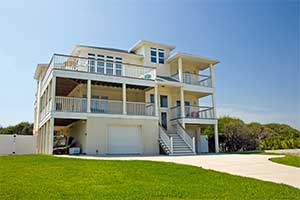
Belleair Bluffs, Florida
Belleair Bluffs, FL Profile
Belleair Bluffs, FL, population 2,243 , is located
in Florida's Pinellas county,
about 3.2 miles from Clearwater and 13.4 miles from St Petersburg.
In the 90's the population of Belleair Bluffs has grown by about 5%.
Reports show that during 2003 property crime levels in the Belleair Bluffs area were lower than Florida's average.
The same data shows violent crime levels to be lower than the Florida average.
Belleair Bluffs Statistics
Belleair Bluffs Gender Information
Males in Belleair Bluffs: 970 (43%)
Females in Belleair Bluffs: 1,273 (57%)
As % of Population in Belleair Bluffs
Race Diversity in Belleair Bluffs
White: 98%
Asian: 1%
Other/Mixed: 1%
As % of Population in Belleair Bluffs
Age Diversity in Belleair Bluffs
Median Age in Belleair Bluffs: 59.6 (Males in Belleair Bluffs: 55.7, Females in Belleair Bluffs: 63.0)
Belleair Bluffs Males Under 20: 5%
Belleair Bluffs Females Under 20: 5%
Belleair Bluffs Males 20 to 40: 8%
Belleair Bluffs Females 20 to 40: 8%
Belleair Bluffs Males 40 to 60: 12%
Belleair Bluffs Females 40 to 60: 14%
Belleair Bluffs Males Over 60: 19%
Belleair Bluffs Females Over 60: 30%
Economics in Belleair Bluffs
Belleair Bluffs Household Average Size: 1.69 people
Belleair Bluffs Median Household Income: $ 32,528
Belleair Bluffs Median Value of Homes: $ 103,000
Law Enforcement in Belleair Bluffs
Reported crimes in the Belleair Bluffs area during 2003:
Murder and non-negligent man-slaughter: 0
Forcible rape: 0
Robbery: 2
Aggravated assault: 2
Violent crime events per 100,000 people: 175
Burglary: 10
Larceny-theft: 48
Motor vehicle theft: 0
Arson: 0
Property crime events per 100,000 people: 2,535
Belleair Bluffs Location Information
Elevation: 46 feet above sea level.
Land Area: 0.5 Square Miles.
Water Area: 0.2 Square Miles.
Nearby Towns & Cities to Belleair Bluffs
Harbor Bluffs 1.0 Miles
Belleair 1.2 Miles
Belleair Beach 1.6 Miles
Belleair Shore 1.8 Miles
Ridgecrest 1.9 Miles
Largo 2.0 Miles
Clearwater 3.2 Miles
Indian Rocks Beach 3.8 Miles
Indian Shores 4.5 Miles
Seminole 5.9 Miles
Big Cities Nearest Belleair Bluffs
(Population 100,000+)
Clearwater 3.2 Miles
St Petersburg 13.4 Miles
Tampa 22.0 Miles
Orlando 97.5 Miles
Cape Coral 108.1 Miles
Jacksonville 180.9 Miles
Coral Springs 193.9 Miles
Tallahassee 195.2 Miles
Ft Lauderdale 206.4 Miles
Pembroke Pines 207.7 Miles
|
Facts
In the past, the most popular method of school drug abuse education were the mass school assemblies. The study body would gather in the auditorium where the principal would use scare tactics or a dryly didactic approach to reach their large audience. Recent studies show that this method of school drug abuse education isn’t particularly effective. Like any other thinking feeling human being, teens don’t want to be preached to. They would rather be involved in an informative and interactive discussion of the issue. The number of admissions to substance abuse treatment for adolescents ages 12 to 17 increased again in 2002, continuing a ten-year trend. 90% of cocaine users smoked, drank, or used marijuana before trying cocaine. The behavioral impact of habitual heroin use is generally devastating. Most habitual users are incapable of concentration, learning, or clear thought. Rarely are they able to hold a job. They are apathetic, indifferent to consequences, and unable to sustain personal relationships. For many, the inability to honestly earn enough to meet their drug needs leads to crime. For the overwhelming majority, compulsive use prompts behavior that is self-destructive and irresponsible, often antisocial, and characteristically indifferent to the injury, pain, or loss it causes others. |
Sobriety
Sobriety means the moderation in or abstinence from consumption of alcoholic liquor or use of drugs. When an individual with an addiction problem enters drug rehabilitation, their main goal is to attain long term sobriety. Unfortunately, sometimes drug addicts and alcoholics find they are able to sustain short periods of sobriety followed by a drug or alcohol relapse. This is why attending a drug or alcohol rehab will help the individual maintain their focus on sobriety. Often, it is only by getting help that individuals with severe drug addiction problems are able to achieve lasting sobriety.
Withdrawal
Withdrawal is what happens when a person who is addicted to drugs or alcohol discontinues use. There are numerous symptoms that take place both physically and emotionally when an addicted individual stops using. Withdrawal can last a few days to a few weeks and may include nausea or vomiting, sweating, shakiness, and anxiety. Keep in mind; this only occurs if a person has regular, heavy use of a drug or alcohol. Withdrawal can be extremely uncomfortable without professional help. Treatment for withdrawal from alcohol or drugs may require a medical professional to be present. Drug and alcohol rehabilitation is often the best way to overcome withdrawal and its symptoms as well as recovery from drug addiction.
Drug Abuse
Drug abuse is defined as the chronic or habitual use of any chemical substance to alter states of body or mind for other than medically warranted purposes. Drug abuse is a problem which has an effect on people of all income levels,
ages, and stations in life. Quite often the last person to see that there is a
problem is the drug abuser them self. Every year, more and more people become
drug addicts in their pursuit to get "high".
Therapeutic Community
An effective therapeutic community attends to the many needs of the individual, not just his or her drug use. Care given at a therapeutic community addresses the individual's drug use and associated medical, psychological, social, vocational, and legal problems. Also, a therapeutic community will continue to be flexible and provide ongoing assessments of the individual's needs, which may change during the course of care.
Remaining in care at a therapeutic community for an adequate period of time is critical for treatment effectiveness. The time depends on an individual's needs. For most people, the significant improvement is reached at about 3 months in treatment.
Addict
An addict is an individual who has a compulsive urge to use drugs, to the point where they feel they have no effective choice but to continue use. An addict will continue their self destructive behaviors in order to feel good or to avoid
feeling bad. It can dominate their mind, and keep them coming back for more. The addiction can be
different for each addict, depending on their vice and the kind of person they
are.
|
|

To Find Drug Rehab and Treatment Centers in Belleair Bluffs
Call toll free


Belleair Bluffs Drug Rehab and
Alcohol Addiction Treatment Information
|