Catholic Social Services of Washtenaw County

4925 Packard Road
Ann Arbor, MI. 48108
734-971-9781
Catholic Social Services of is 7.9 miles from Saline, Michigan
Saline, MI has several nearby treatment choices including: 8 low cost treatment centers, 0 inpatient rehab, 3 drug rehabs that take PPO insurance like UnitedHealthCare, 1 detox center, 4 outpatient treatment programs.

For help finding an addiction treatment center, Call us!
All calls are 100% confidential and free
1-877-882-9275


Catholic Social Services of is 7.9 miles from Saline, Michigan


Ann Arbor Comprehensive Trt Center is 9.9 miles from Saline, MI
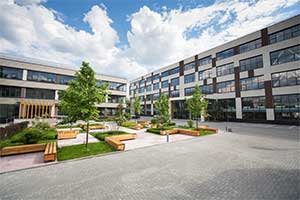
Home of New Vision is 10.5 miles from Saline, Michigan
Home of New Vision is an alcohol and drug rehab for people residing in Saline and its surrounding areas while struggling with a substance use disorder and co-occurring mental health disorder. As such, it offers services like cognitive/behavior therapy, group therapy, matrix model, contingency management/motivational incentive, trauma therapy, brief intervention approach and more, that are in keeping with its philosophy of the treatments that have been proved to work.
In the same way, Home of New Vision believes in individualized care to ensure that their patients find success and sobriety. The substance abuse treatment facility has also specialized in other types of care like domestic violence, clients referred from the court/judicial system, housing services, child care for clients children, transgender or (LGBT) clients, legal advocacy - among many others. All these services are also provided by Home of New Vision in various settings like long term rehab programs, short term drug and alcohol rehabs, outpatient substance abuse treatment services, inpatient rehab programs, detoxification facilities, as well as others.
Further, it has aftercare programs created to help you find permanent and lasting sobriety. These services have made sure that Home of New Vision has a special place within the Saline, Michigan area, especially because they promote both positive short and long term outcomes for the people who enroll into this drug and alcohol rehabilitation program. Last but not least, Home of New Vision accepts private medical insurance, private pay, medicare, medicaid, sliding fee scale, state welfare or child and family services funds, other state funds and others.

Workit Health MI PLLC is 10.6 miles from Saline, MI
Workit Health MI PLLC is an alcohol and drug treatment program for individuals living in the Saline, MI. area and battling a substance use disorder . It provides services like cognitive/behavior therapy, group therapy, matrix model, contingency management/motivational incentive, trauma therapy, brief intervention approach and more, that are in keeping with its philosophy of the treatments that have been proved to work.
Workit Health MI PLLC believes in individualized care to make sure that their patients find success and sobriety. The drug and alcohol rehab also specializes in other types of care like domestic violence, clients referred from the court/judicial system, housing services, child care for clients children, transgender or (LGBT) clients, legal advocacy - among many others. Many of these services are also provided by Workit Health MI PLLC in a variety of settings like long term rehab facilities, short term treatment programs, outpatient hospital programs, inpatient treatment centers, detoxification centers, as well as others.
In addition, it has aftercare programs and other treatment methods designed to help you find permanent and lasting stability. These programs have made sure that Workit Health MI PLLC has a special place within the Saline, MI. area, especially because they promote both positive short and long term outcomes for the clients who enroll into this drug and alcohol rehab program. Lastly, Workit Health MI PLLC accepts private health insurance, private pay, medicare, medicaid, sliding fee scale, state welfare or child and family services funds, other state funds and others.
National Non Profit Helpline - 1-877-882-9275
Our National Non Profit Helpline is a 24/7, 365-day-a-year treatment referral and information service for individuals and families faced with mental and/or substance use disorders.
All calls are strictly confidential
Our service provides referrals to licensed treatment facilities, support groups, and community-based organizations. You don't have to struggle alone with addiction. Help is just a phone call away. Call 1-877-882-9275 now to get the help you need and deserve.



© Copyright 1998 - 2022 All Rights Reserved. Content is protected under copyright laws, do not use content without written permission.
