


4151 17 Mile Road
Sterling Heights, MI. 48310
586-268-6712
Sterling Heights, MI has a number of treatment choices: 9 low cost programs, 0 inpatient rehab, 6 drug rehabs that take PPO insurance like Blue Cross Blue Shield, 1 detox center, 7 outpatient treatment programs.

For help finding an addiction treatment center, Call us!
All calls are 100% confidential and free
1-877-882-9275You can now filter our treatment results to show you tailored rehab programs that fit your exact needs. Just choose the type of treatment you are looking for, a payment type such as private insurance or low cost, and any specialized treatment approach you are interested in. Click submit and we will provide a list of alcohol and drug rehab centers that match your criteria.




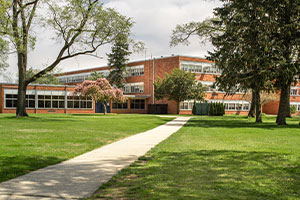

Community Programs Inc is dedicated to assisting the community of Sterling Heights, Michigan and the surrounding areas to find full recovery after a period of struggling with drug and alcohol addiction. Because of this, Community Programs Inc accommodates a wide collection of services in line with their philosophy of treatments that work - including short term drug and alcohol rehab centers, inpatient drug and alcohol rehab centers, outpatient counseling, long term drug rehab centers, detoxification facilities and others.
Community Programs Inc also feels that it is crucial that every individual gets specific treatments that are tailored to their needs to help ensure treatment is a success. This is why it is specialized in a wide variety of treatment modalities, including contingency management/motivational incentive, group therapy, motivational interviewing, dialectical behavior therapy, individual psychotherapy, matrix model and others. In addition, Community Programs Inc is specialized in substance abuse education, self-help groups, persons with post-traumatic stress disorder, residential beds for client's children, aftercare/continuing care, persons who have experienced sexual abuse, as well as other special programs. In general, the treatment methods that this addiction treatment center uses can provide the level of stability that is as permanent as it is lasting.
Lastly, Community Programs Inc accepts cash or self-payment, private health insurance, payment assistance, medicare, medicaid, county or local government funds, state welfare or child and family services funds and more.

A 1 Counseling Center Inc is committed to helping the residents of Sterling Heights and the surrounding areas to getting their sobriety back after battling with alcohol and drug addiction. As such, A 1 Counseling Center Inc provides a wide array of services in line with their philosophy of treatments that work - including short term addiction treatment programs, inpatient drug and alcohol rehab programs, outpatient hospital programs, long term drug abuse treatment, outpatient detoxification facilities and others.
A 1 Counseling Center Inc also believes that it is vital that every individual gets specific treatments that are tailored to their needs to help ensure treatment is a success. This is why it is specialized in a wide variety of treatment methods, including contingency management/motivational incentive, group therapy, motivational interviewing, dialectical behavior therapy, individual psychotherapy, matrix model and others. Additionally, A 1 Counseling Center Inc is specialized in substance abuse education, self-help groups, persons with post-traumatic stress disorder, residential beds for client's children, aftercare/continuing care, persons who have experienced sexual abuse, as well as other special programs. In general, the treatment methods that this drug and alcohol treatment facility uses strive to achieve true and lasting sobriety for each of its clients.
Lastly, A 1 Counseling Center Inc accepts private pay, private medical insurance, payment assistance, medicare, medicaid, county or local government funds, state welfare or child and family services funds and more.
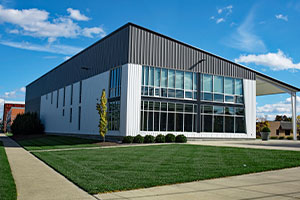
CMS is devoted to assisting the people of Sterling Heights, MI. and the surrounding areas to getting their life back after struggling with substance abuse. Because of this, CMS administers a wide collection of services in line with their belief of treatments that work - including short term drug treatment, inpatient rehab programs, outpatient day treatment, long term treatment facilities, inpatient detox programs and others.
CMS also believes that it is necessary that every individual gets highly personalized services to ensure their recovery. This is why it is specialized in a wide variety of treatment methods, including contingency management/motivational incentive, group therapy, motivational interviewing, dialectical behavior therapy, individual psychotherapy, matrix model and others. In addition, CMS is specialized in substance abuse education, self-help groups, persons with post-traumatic stress disorder, residential beds for client's children, aftercare/continuing care, persons who have experienced sexual abuse, as well as other special programs. In general, the treatment methods that this drug and alcohol rehab program uses strive to achieve true and lasting sobriety for each of its clients.
Lastly, CMS accepts cash or self-payment, private health insurance, payment assistance, medicaid, medicare, county or local government funds, state welfare or child and family services funds and more.

Several classes of drugs can have the effect of numbing emotions or creating a feeling of emotional detachment. It's important to note that these effects can vary widely between individuals and depend on many factors, including the dosage, the method of use, and the individual's personal physiology and psychology. Here are a few examples:
Depressants: This category of drugs, which includes alcohol, benzodiazepines (like Xanax or Valium), and opioids (like heroin or prescription painkillers), can reduce brain activity and dull emotions. Users often report feeling numb or detached from their emotions.
Dissociatives: Dissociative drugs like ketamine, PCP, and certain kinds of cough medicines containing dextromethorphan (DXM), can induce a state of detachment from reality and one's self, which can include a sense of emotional numbness.
Selective Serotonin Reuptake Inhibitors (SSRIs): While primarily used as antidepressants, some individuals report feeling emotionally numb or detached when taking SSRIs. This is generally considered a side effect, and if experienced, should be discussed with a healthcare provider.
Antipsychotics: These medications are primarily used to treat conditions like schizophrenia, but they can also induce a state of emotional numbness or flatness in some individuals.
While these substances can make a person feel emotionally numb, it's important to note that this is often a temporary and potentially harmful solution. Long-term use can lead to a range of negative health effects, including physical dependence, addiction, and a worsening of emotional or mental health symptoms. If you're feeling overwhelmed by your emotions, it's crucial to seek help from a mental health professional rather than turning to substances. They can provide support and discuss healthier ways to cope with these feelings.
While a family history of substance abuse can increase your risk of developing a similar issue due to both genetic and environmental factors, it does not mean you are destined to become a substance abuser. Genetics can make up about 40-60% of the risk for addiction, but the remaining percentage is influenced by environmental and personal factors.
Environmental influences can include your upbringing, your parents' behaviors, your exposure to drugs or alcohol, your social circle, and your experiences with stress and trauma. Personal factors involve your individual personality traits, your mental health, and your coping mechanisms. All these can significantly contribute to whether or not you develop a substance use disorder.
Importantly, risk is not destiny. Just because you are at a higher risk doesn't mean you will inevitably develop a substance abuse problem. Prevention strategies can be highly effective. These might include:
Education: Understanding the risks and consequences of substance abuse can deter initiation of drug use.
Healthy Coping Mechanisms: Developing healthy ways to cope with stress, such as through exercise, meditation, hobbies, or therapy, can reduce the need to turn to substances for relief.
Strong Support Networks: Having supportive and understanding friends, family, or mentors can provide a safety net when facing potential pitfalls.
Mental Health Care: Ensuring good mental health through therapy or counseling can reduce the risk, as mental health disorders can increase the likelihood of substance abuse.
Delaying Substance Use: The later in life a person first uses drugs, the less likely they are to develop a problem.
Remember, even if substance abuse does become an issue, it is not a life sentence. Effective treatments are available that can help individuals overcome addiction and lead healthy, productive lives. If you're worried about your risk, it might be helpful to discuss your concerns with a healthcare provider, a counselor, or a trusted person in your life.
Identifying a loved one's drug abuse can be challenging as symptoms can vary depending on the substance being used, the duration of use, and the individual's personal circumstances. However, there are several signs that could potentially indicate drug abuse. These signs can be physical, behavioral, and psychological.
Physical Signs:
Behavioral Signs:
Psychological Signs:
National Non Profit Helpline - 1-877-882-9275
Our National Non Profit Helpline is a 24/7, 365-day-a-year treatment referral and information service for individuals and families faced with mental and/or substance use disorders.
All calls are strictly confidential
Our service provides referrals to licensed treatment facilities, support groups, and community-based organizations. You don't have to struggle alone with addiction. Help is just a phone call away. Call 1-877-882-9275 now to get the help you need and deserve.



© Copyright 1998 - 2022 All Rights Reserved. Content is protected under copyright laws, do not use content without written permission.
