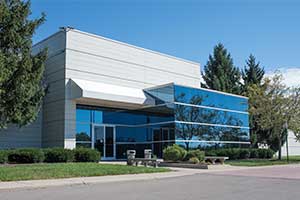
301 Kent Street
Iron Mountain, MI. 49801
906-774-2561
Iron Mountain, MI has several nearby treatment choices including: 4 medicaid programs, 1 inpatient drug rehab, 4 drug rehabs that take private insurance like Cigna, 0 drug and alcohol detox, 3 outpatient treatment programs.

For help finding an addiction treatment center, Call us!
All calls are 100% confidential and free
1-877-882-9275





Great Lakes Recovery Centers Inc is 35.6 miles from Iron Mountain, Michigan

Catholic Social Services of the UP is 42.8 miles from Iron Mountain, MI

Forest County Potawatomi is 56.3 miles from Iron Mountain, MI
"The duration of treatment for drug addiction can vary significantly depending on several factors, including the individual's unique needs, the severity and type of addiction, and the chosen treatment approach. There is no universally prescribed timeline for addiction treatment, as each person's journey to recovery is different. However, some general timeframes can be considered when discussing drug addiction treatment:
Detoxification: The initial detoxification process, during which the body clears itself of drugs and toxins, can range from a few days to several weeks, depending on the substance involved and the individual's physiological response.
Inpatient or residential treatment: Inpatient or residential treatment programs, which provide intensive, structured care in a controlled environment, typically last between 28 days and 90 days. However, some individuals may require extended stays of six months or longer, depending on their progress and specific needs.
Outpatient treatment: Outpatient treatment programs, which offer therapy and support while allowing individuals to continue living at home, can vary in duration and intensity. Some programs may last for several weeks or months, while others may continue for a year or more, with sessions becoming less frequent over time as the individual progresses in their recovery.
Aftercare and ongoing support: Recovery from addiction is a lifelong process, and ongoing aftercare and support are crucial for maintaining long-term sobriety. Aftercare may include continuing therapy, attending support group meetings, or participating in sober living communities. The duration of aftercare and ongoing support can vary based on individual needs and may continue indefinitely.
Research suggests that longer durations of treatment are generally more effective in promoting lasting recovery. The National Institute on Drug Abuse (NIDA) recommends a minimum of 90 days of treatment for most individuals, as shorter durations have been associated with higher relapse rates. However, it is essential to recognize that each person's path to recovery is unique, and the most effective treatment plans are tailored to their specific needs, goals, and circumstances."
In the mental health field, drug addiction is commonly referred to as a "Substance Use Disorder" (SUD). This term is used in the Diagnostic and Statistical Manual of Mental Disorders, Fifth Edition (DSM-5), which is the standard classification of mental disorders used by mental health professionals in the United States.
A Substance Use Disorder is defined as a pattern of behaviors characterized by an inability to control or cut down on use, spending a lot of time obtaining the substance, craving the substance, failing to fulfill obligations at work, school, or home due to substance use, and continuing to use the substance despite knowing it's causing physical or psychological harm.
Substance Use Disorders can be further categorized based on the specific substance involved, such as Alcohol Use Disorder, Opioid Use Disorder, Cannabis Use Disorder, and so forth. The severity of the disorder is also assessed (mild, moderate, or severe) based on the number of diagnostic criteria met by an individual.
It's worth noting that this terminology emphasizes the understanding of drug addiction as a medical disorder, rather than a moral failing or a matter of willpower. This shift in language is part of a larger effort to reduce stigma and promote a more compassionate, effective approach to treatment.
Yes, studies have indicated that rates of substance use and substance use disorders are indeed higher in the LGBTQ+ (lesbian, gay, bisexual, transgender, queer, and others) community compared to the general population. This disparity is believed to be related to a variety of factors, including the stress and stigma associated with identifying as LGBTQ+.
Here's a closer look at some of the related factors and statistics:
According to the Substance Abuse and Mental Health Services Administration (SAMHSA), adults who identify as lesbian, gay, or bisexual were more than twice as likely as heterosexual adults to have used illicit drugs in the past year. Transgender individuals also experience higher rates of substance use and substance use disorders compared to their cisgender peers.
It is important to note that while substance use is a significant issue within the LGBTQ+ community, not all individuals within this community use substances or struggle with substance use disorders. A comprehensive, culturally competent approach is needed to address substance use in the LGBTQ+ community, which includes providing LGBTQ+ inclusive prevention and treatment programs, addressing the underlying issues like discrimination and stigma, and improving access to mental health care.
National Non Profit Helpline - 1-877-882-9275
Our National Non Profit Helpline is a 24/7, 365-day-a-year treatment referral and information service for individuals and families faced with mental and/or substance use disorders.
All calls are strictly confidential
Our service provides referrals to licensed treatment facilities, support groups, and community-based organizations. You don't have to struggle alone with addiction. Help is just a phone call away. Call 1-877-882-9275 now to get the help you need and deserve.



© Copyright 1998 - 2022 All Rights Reserved. Content is protected under copyright laws, do not use content without written permission.
