

252 South Waverly Road
Lansing, MI. 48917
517-323-8149
Lansing, MI has a large number of treatment choices including: 9 medicaid treatment centers, 3 inpatient rehabs, 7 drug rehabs that take PPO insurance like UnitedHealthCare, 3 drug detox, 11 outpatient rehabs.

For help finding an addiction treatment center, Call us!
All calls are 100% confidential and free
1-877-882-9275You can now filter our treatment results to show you tailored rehab programs that fit your exact needs. Just choose the type of treatment you are looking for, a payment type such as private insurance or low cost, and any specialized treatment approach you are interested in. Click submit and we will provide a list of alcohol and drug rehab centers that match your criteria.



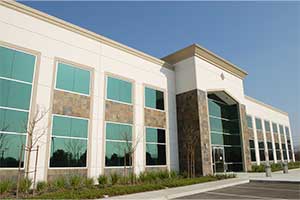
Pinnacle Recovery Services is dedicated to assisting any person with a drug or alcohol use disorder in the local community find complete recovery. It provides several services - such as inpatient drug treatment, long term drug and alcohol rehab centers, outpatient detoxification facilities, outpatient day treatment, short term drug rehab programs and others - in line with its belief of the addiction treatment and rehabilitation methods that are effective in recovery. This drug and alcohol rehab center also believes that clients need individual treatment and care to be able to maintain their sobriety.
As such, Pinnacle Recovery Services specializes in couple/family therapy, group therapy, relapse prevention, motivational interviewing, trauma therapy, dual diagnosis drug rehab and more. At the same time, it accepts clients who are legal advocacy, child care for clients children, substance abuse education, clients referred from the court/judicial system, clients with HIV/AIDS, seniors or older adults, and others. This alcohol and drug rehab program uses treatment methods that can assist patients to maintain abstinence from the substances abused in the past.
In terms of payment, clients in Pinnacle Recovery Services can pay for services using private pay, private health insurance, sliding fee scale, payment assistance, state education funds, state corrections or juvenile justice funds and others.
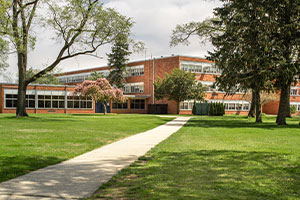
PAR Rehab Services is dedicated to helping anyone with a drug or alcohol use disorder in the local community find full recovery. It provides several services - such as inpatient drug rehab facilities, long term treatment programs, inpatient detoxification centers, outpatient individual counseling, short term drug and alcohol rehabs and others - in keeping with its belief of the addiction care and rehab methods that are effective in recovery. This drug and alcohol rehabilitation program also believes that clients need individual care and treatment to be able to maintain their sobriety.
As such, PAR Rehab Services specializes in couple/family therapy, group therapy, relapse prevention, motivational interviewing, trauma therapy, dual diagnosis drug rehab and more. Similarly, it accepts patients who are legal advocacy, child care for clients children, substance abuse education, clients referred from the court/judicial system, clients with HIV/AIDS, seniors or older adults, and others. This substance abuse treatment center uses care modalities that can help patients to achieve sobriety and abstinence from the substances of abuse that they have used in the past.
In terms of payment, clients in PAR Rehab Services can pay for services using private pay, private health insurance, sliding fee scale, payment assistance, state education funds, state corrections or juvenile justice funds and others.

Victory Clinical Services Lansing is committed to helping any person with a drug or alcohol abuse disorder in Lansing, Michigan and its surrounding areas find full recovery. It provides several programs - such as inpatient drug abuse treatment, long term treatment facilities, detoxification centers, outpatient substance abuse counseling, short term drug rehab programs and others - in line with its philosophy of the recovery care and rehab methods that work in recovery. This drug and alcohol rehabilitation program also believes that clients require individual treatment to be able to stop abusing drugs and alcohol.
As such, Victory Clinical Services Lansing has specialized in couple/family therapy, group therapy, relapse prevention, motivational interviewing, trauma therapy, dual diagnosis drug rehab and more. At the same time, it accepts patients who are legal advocacy, child care for clients children, substance abuse education, clients referred from the court/judicial system, clients with HIV/AIDS, seniors or older adults, and others. This drug and alcohol rehab uses treatment modalities that can help patients to maintain sobriety and abstinence from the substances abused in the past.
In terms of payment, clients in Victory Clinical Services Lansing can pay for services using private pay, private insurance, sliding fee scale, payment assistance, state education funds, state corrections or juvenile justice funds and others.

Life Journeys is committed to helping anyone with a drug or alcohol use disorder in Lansing and within the surrounding neighborhoods find full recovery. It offers several services - such as inpatient rehab centers, long term drug rehab centers, inpatient detoxification centers, intensive outpatient treatment, short term drug abuse treatment and others - in keeping with its philosophy of the addiction care and rehab modalities that work in recovery. This alcohol and drug rehabilitation program also believes that clients require individual care and treatment to be able to stop abusing drugs and alcohol.
As such, Life Journeys has specialized in couple/family therapy, group therapy, relapse prevention, motivational interviewing, trauma therapy, dual diagnosis drug rehab and more. Similarly, it accepts patients who are legal advocacy, child care for clients children, substance abuse education, clients referred from the court/judicial system, clients with HIV/AIDS, seniors or older adults, and others. This alcohol and drug rehab program uses treatment modalities that can assist clients to achieve abstinence from the substances of abuse that they have used in the past.
In terms of payment, clients in Life Journeys can pay for services using cash or self-payment, private insurance, sliding fee scale, payment assistance, state education funds, state corrections or juvenile justice funds and others.

Cognitive Consultants LLC is committed to helping any person with an alcohol or drug abuse issue in the local community find full recovery. It offers several services - such as inpatient addiction treatment centers, long term drug rehab programs, inpatient detox centers, outpatient counseling, short term drug and alcohol rehab facilities and others - in line with its philosophy of the addiction care and rehab methods that work in recovery. This alcohol and drug rehab program also believes that clients need individual care and treatment to be able to stop abusing drugs and alcohol.
As such, Cognitive Consultants LLC has specialized in couple/family therapy, group therapy, relapse prevention, motivational interviewing, trauma therapy, dual diagnosis drug rehab and more. Similarly, it accepts patients who are legal advocacy, child care for clients children, substance abuse education, clients referred from the court/judicial system, clients with HIV/AIDS, seniors or older adults, and others. This drug and alcohol rehab center uses treatment methods that can assist patients to achieve sobriety from the substances of abuse that they have used in the past.
In terms of payment, clients in Cognitive Consultants LLC can pay for services using private pay, private medical insurance, sliding fee scale, payment assistance, state education funds, state corrections or juvenile justice funds and others.

Edward W Sparrow Hospital is committed to helping any person with a drug or alcohol abuse problem in the local community find complete recovery. It offers several services - such as inpatient drug treatment, long term drug and alcohol rehab centers, detoxification centers, outpatient hospital programs, short term rehab centers and others - in line with its philosophy of the recovery treatment and rehab modalities that work in recovery. This alcohol and drug rehab also believes that people need individual treatment to be able to maintain their sobriety.
As such, Edward W Sparrow Hospital specializes in couple/family therapy, group therapy, relapse prevention, motivational interviewing, trauma therapy, dual diagnosis drug rehab and more. Similarly, it accepts clients who are legal advocacy, child care for clients children, substance abuse education, clients referred from the court/judicial system, clients with HIV/AIDS, seniors or older adults, and others. This alcohol and drug treatment program uses treatment modalities that can assist clients to achieve lasting and permanent sobriety and abstinence from the substances of abuse that they have used in the past.
In terms of payment, clients in Edward W Sparrow Hospital can pay for services using cash or self-payment, private health insurance, sliding fee scale, payment assistance, state education funds, state corrections or juvenile justice funds and others.

Michigan Therapeutic Consultants PC is dedicated to assisting any person with a drug or alcohol abuse problem in Lansing and within the surrounding neighborhoods find complete recovery. It offers several programs - such as inpatient rehab centers, long term drug and alcohol rehabs, inpatient detoxification programs, outpatient hospital programs, short term addiction treatment facilities and others - in keeping with its belief of the addiction care and rehabilitation methods that are effective in recovery. This addiction treatment center also believes that clients need individual care to be able to maintain their sobriety.
As such, Michigan Therapeutic Consultants PC has specialized in couple/family therapy, group therapy, relapse prevention, motivational interviewing, trauma therapy, dual diagnosis drug rehab and more. Similarly, it accepts patients who are legal advocacy, child care for clients children, substance abuse education, clients referred from the court/judicial system, clients with HIV/AIDS, seniors or older adults, and others. This drug and alcohol rehab center uses treatment methods that can assist clients to maintain lasting and permanent sobriety from the substances abused in the past.
In terms of payment, clients in Michigan Therapeutic Consultants PC can pay for services using private pay, private health insurance, sliding fee scale, payment assistance, state education funds, state corrections or juvenile justice funds and others.

Child and Family Charities is committed to helping anyone with an alcohol or drug abuse issue in the local community find complete recovery. It provides several services - such as inpatient rehabs, long term drug rehab facilities, detox facilities, outpatient day treatment, short term drug rehab programs and others - in line with its belief of the recovery treatment and rehab methods that are effective in recovery. This drug and alcohol treatment facility also believes that people require individual treatment and care to be able to maintain their sobriety.
As such, Child and Family Charities has specialized in couple/family therapy, group therapy, relapse prevention, motivational interviewing, trauma therapy, dual diagnosis drug rehab and more. Similarly, it accepts clients who are legal advocacy, child care for clients children, substance abuse education, clients referred from the court/judicial system, clients with HIV/AIDS, seniors or older adults, and others. This addiction treatment program uses treatment modalities that can assist clients to achieve sobriety and abstinence from the substances of abuse that they have used in the past.
In terms of payment, clients in Child and Family Charities can pay for services using cash or self-payment, private health insurance, sliding fee scale, payment assistance, state education funds, state corrections or juvenile justice funds and others.

Holy Cross Services is committed to assisting any person with an alcohol or drug use problem in Lansing and within the surrounding neighborhoods find full recovery. It provides several services - such as inpatient addiction treatment centers, long term addiction treatment facilities, inpatient detoxification facilities, outpatient individual counseling, short term drug rehab programs and others - in keeping with its belief of the addiction treatment and rehabilitation modalities that are effective in recovery. This substance abuse treatment facility also believes that clients need individual care to be able to maintain their sobriety.
As such, Holy Cross Services has specialized in couple/family therapy, group therapy, relapse prevention, motivational interviewing, trauma therapy, dual diagnosis drug rehab and more. At the same time, it accepts clients who are legal advocacy, child care for clients children, substance abuse education, clients referred from the court/judicial system, clients with HIV/AIDS, seniors or older adults, and others. This drug and alcohol rehab facility uses treatment modalities that can help patients to maintain lasting and permanent sobriety from the substances of abuse that they have used in the past.
In terms of payment, clients in Holy Cross Services can pay for services using private pay, private medical insurance, sliding fee scale, payment assistance, state education funds, state corrections or juvenile justice funds and others.

Inpatient drug rehab provides a structured environment for individuals recovering from substance use disorders. The specific details of a typical day can vary between facilities, but most will follow a general schedule that includes therapeutic activities, meals, free time, and sleep. Here's a rough outline of what a day in an inpatient rehab might look like:
Morning:
Afternoon:
Evening:
Throughout the day, residents may also have scheduled times for medication (if applicable), physical exercise, and meeting with their treatment team. The goal of this structured daily routine is to provide a stable, supportive environment that promotes healing and recovery.
It's important to note that the exact schedule and types of activities will vary between different rehab centers and individual treatment plans. When choosing a rehab center, it can be helpful to ask about the daily schedule and types of therapies offered to ensure it aligns with your needs and preferences.
Recovery from drug and alcohol addiction is an unique and individualized process. However, there are several key principles that are commonly recognized as important for successful recovery. These principles include:
In the mental health field, drug addiction is commonly referred to as a "Substance Use Disorder" (SUD). This term is used in the Diagnostic and Statistical Manual of Mental Disorders, Fifth Edition (DSM-5), which is the standard classification of mental disorders used by mental health professionals in the United States.
A Substance Use Disorder is defined as a pattern of behaviors characterized by an inability to control or cut down on use, spending a lot of time obtaining the substance, craving the substance, failing to fulfill obligations at work, school, or home due to substance use, and continuing to use the substance despite knowing it's causing physical or psychological harm.
Substance Use Disorders can be further categorized based on the specific substance involved, such as Alcohol Use Disorder, Opioid Use Disorder, Cannabis Use Disorder, and so forth. The severity of the disorder is also assessed (mild, moderate, or severe) based on the number of diagnostic criteria met by an individual.
It's worth noting that this terminology emphasizes the understanding of drug addiction as a medical disorder, rather than a moral failing or a matter of willpower. This shift in language is part of a larger effort to reduce stigma and promote a more compassionate, effective approach to treatment.
National Non Profit Helpline - 1-877-882-9275
Our National Non Profit Helpline is a 24/7, 365-day-a-year treatment referral and information service for individuals and families faced with mental and/or substance use disorders.
All calls are strictly confidential
Our service provides referrals to licensed treatment facilities, support groups, and community-based organizations. You don't have to struggle alone with addiction. Help is just a phone call away. Call 1-877-882-9275 now to get the help you need and deserve.



© Copyright 1998 - 2022 All Rights Reserved. Content is protected under copyright laws, do not use content without written permission.


