Drug and Alcohol Rehabilitation Centers in Berkley, Michigan
Berkley, MI has nearby treatment options including: 3 low cost programs, 0 inpatient treatment center, 4 drug rehabs that take PPO insurance like Blue Cross Blue Shield, 1 drug detox, 4 outpatient rehabs.
Get Help - Find a Rehab Center Today
Popular Searches for Drug and Alcohol Rehab in Berkley, Michigan:
Skip To Rehab Listing
With addiction treatment easily available, individuals struggling with alcohol and drug dependency can find assistance within their local area.
Substance Abuse Therapy Facility Settings and Treatment Techniques In Berkley
The types of recovery programs in Berkley include the following: short term treatment programs, long term rehab facilities, detox facilities, outpatient individual counseling, inpatient rehab programs.
People seeking rehabilitation can find conveniently located centers near them with an array of treatment approaches made for effective treatment. These methods, which include both long-established and newer approaches, can consist of the following: dual diagnosis drug rehab, substance abuse counseling approach, cognitive/behavior therapy, anger management, motivational interviewing, brief intervention approach.
Programs Addressing Special Requirements for Substance Abuse Treatment
Alcohol and drug abuse can differ based upon factors, like the type of drug driving the addiction. Many recovery facilities in the Berkley region deliver facilities designed to tailor treatment to a client's specific needs. These programs are comprised of the following: residential beds for client's children, transgender or (LGBT) clients, legal advocacy, seniors or older adults, social skills development, programs for the hearing impaired.
Patients who are unsure what their requirements are can reach out to these facilities to obtain patient services that can lead them toward the correct program.
Paying For Rehab - Payment Options & Alternatives
Individuals struggling with alcohol and drug dependency come from different financial circumstances, but a variety of funding options makes recovery financially accessible for anybody. Funding alternatives include the following: private pay, private insurance, military insurance, payment assistance, other state funds, state education funds.
Those searching for rehab can get in touch with a rehab program to learn more about what funding options are available to them.
Berkley, Michigan's drug and alcohol centers, resources, and payment alternatives provide those struggling with alcohol and drug dependency an opportunity to start a sustainable recovery plan.
Dr. Gina M Jansheski, M.D.

Dr. Po-Chang Hsu, M.D., M.S.

Renee Warmbrodt, RN, MSN, CPNP-PC

Drug and Alcohol Rehabilitation Programs Serving the Berkley, Michigan Area:
 2790 Coolidge Highway
Berkley, MI. 48072
248-398-7061
Smith Counseling Centers has made a name for itself by dedicating its recovery services to the individuals who struggle with drug and alcohol use disorders in the Berkley, MI. area.
Services are provided on an individual basis to ensure clients achieve full recovery in the long term. Smith Counseling Centers also specializes in dual diagnosis drug rehab, substance abuse counseling approach, cognitive/behavior therapy, anger management, motivational interviewing, brief intervention approach, and others - as well as many other treatment modalities such as residential beds for client's children, transgender or (LGBT) clients, legal advocacy, seniors or older adults, social skills development, programs for the hearing impaired, and more.
Additionally, Smith Counseling Centers has programs such as short term rehab centers, long term addiction treatment facilities, detoxification programs, outpatient counseling, inpatient drug rehab centers for clients with addictions to drugs and alcohol. The drug and alcohol treatment program uses treatment methods that can provide permanent stability to anyone with a drug and alcohol abuse disorder. Finally, Smith Counseling Centers accepts clients with different kinds of payment methods - including private pay, private insurance, military insurance, payment assistance, other state funds, state education funds and others.
Foundations Detroit

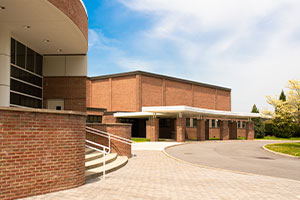 117 West 3rd Street
Royal Oak, MI. 48067
248-965-6605
Foundations Detroit is 2.1 miles from Berkley, MI
At Foundations Recovery Network, we believe in providing evidence-based, integrated treatment and patient-centered care.
Metropolitan Rehabilitation Clinics
 21700 Greenfield Road
Oak Park, MI. 48237
248-967-4310 x130
Metropolitan Rehabilitation Clinics is 3.1 miles from Berkley, Michigan
Learn about our Detroit drug rehabilitation center. We respect those in our program & maintain a confidential, discreet, & caring facility. Call now.
Horizon Treatment Center
 24901 Northwestern Highway
Southfield, MI. 48075
248-423-1728
Horizon Treatment Center is 3.4 miles from Berkley, Michigan
Horizon Treatment Center is known for dedicating its addiction services to the people who struggle with drug and alcohol abuse disorders in Berkley, Michigan and within the surrounding neighborhoods.
Services are provided on an individualized basis to make sure people achieve full recovery in the long term. Horizon Treatment Center also specializes in dual diagnosis drug rehab, substance abuse counseling approach, cognitive/behavior therapy, anger management, motivational interviewing, brief intervention approach, and others - as well as many other treatment methods such as residential beds for client's children, transgender or (LGBT) clients, legal advocacy, seniors or older adults, social skills development, programs for the hearing impaired, and more.
Additionally, Horizon Treatment Center has programs such as short term drug and alcohol rehab facilities, long term treatment facilities, inpatient detoxification programs, intensive outpatient treatment, inpatient rehab programs for verifiable addictions to alcohol and drugs. The substance abuse treatment facility uses treatment modalities that can provide permanent stability to anyone with an alcohol and drug abuse problem. Finally, Horizon Treatment Center accepts clients with different types of payment methods - including private pay, private medical insurance, military insurance, payment assistance, other state funds, state education funds and others.
Find Drug and Alcohol Treatment Centers in or around the following Michigan cities:
Top Cities For Recovery:
Commonly Asked Questions about Addiction and Treatment
What does a detox do for a person afflicted with alcohol or drug addiction?
Detoxification, or detox, is the process of removing toxic substances, such as drugs or alcohol, from an individual's body. It is usually the initial step in treating a person with alcohol or drug addiction before they undergo further treatment or therapy. Detox serves several purposes in the recovery process:
- Physical stabilization: Detox helps the body rid itself of harmful substances, allowing the individual to regain physical stability. This process can alleviate some of the immediate health risks associated with substance abuse.
- Management of withdrawal symptoms: Detox addresses the withdrawal symptoms that can arise when an individual stops using drugs or alcohol. Depending on the substance and the severity of the addiction, withdrawal symptoms can range from mild to severe and may include physical discomfort, agitation, anxiety, and even life-threatening complications. A medically supervised detox can provide a safe and controlled environment to manage these symptoms, which may include the use of medications to alleviate discomfort and reduce cravings.
- Preparation for further treatment: Detox is often the first step in the recovery process, preparing the individual for further treatment such as counseling, therapy, or support groups. By addressing the physical dependence on substances, detox allows the individual to focus on the psychological, emotional, and behavioral aspects of their addiction during the subsequent phases of treatment.
- Assessment of individual needs: During detox, healthcare professionals can evaluate the individual's specific needs and circumstances, which may include co-occurring mental health disorders or other medical conditions. This assessment can help inform a tailored treatment plan to support the individual's recovery journey.
- Establishment of a support network: Detox provides an opportunity for individuals to connect with healthcare providers, therapists, and other individuals in recovery. This support network can play a critical role in maintaining motivation and providing encouragement throughout the recovery process.
When a person is a substance abuser, don't they realize their life is being destroyed?
Substance Use Disorder, commonly known as addiction, is a complex condition that can significantly impact a person's judgment, perceptions, and decision-making abilities. Here are a few reasons why someone struggling with substance abuse might not fully realize the extent of the damage it's causing to their life:
Denial: It's common for individuals suffering from addiction to be in denial about the extent of their problem. They might underestimate how much or how often they use, or they may not acknowledge the negative consequences that their substance use is causing.
Altered Brain Function: Addiction affects the brain's reward system and impairs cognitive function. This can distort a person's ability to clearly see the harm that their substance use is causing. They may focus intensely on the immediate rewards of drug use while minimizing or ignoring the long-term negative consequences.
Co-occurring Disorders: Many people with Substance Use Disorder also have other mental health disorders, such as depression or anxiety. These conditions can exacerbate feelings of denial or self-deception about the extent of the substance abuse problem.
Fear and Shame: Fear of withdrawal, fear of change, and shame about their substance use can also prevent individuals from admitting to themselves or others the full extent of their problem.
Lack of Awareness: Some individuals may not understand the signs and symptoms of addiction, or they may not recognize that they can seek help and that recovery is possible.
Can a drug addict change?
Yes, a person struggling with drug addiction can certainly change. It's important to understand that addiction is a chronic, but treatable, disease. Like other chronic diseases, it's not about a "cure" but about managing the condition effectively.
Overcoming addiction typically involves a combination of self-awareness, willingness to change, support, and professional treatment. A key part of the process is the individual's motivation to improve their life and overcome their dependency on substances.
However, recovery from addiction often involves setbacks and challenges. The process can be difficult and time-consuming, requiring substantial personal commitment and support from others. Professional treatment can take several forms, including detoxification, medication-assisted therapy, counseling, and support groups.
Many people who were once addicted to drugs have gone on to live productive, healthy, and fulfilling lives. The journey to recovery is often a lifelong process of maintaining sobriety and managing triggers and cravings.
While change is indeed possible for someone struggling with addiction, it is typically a complex process requiring substantial effort, support, and treatment.
National Non Profit Helpline - 1-877-882-9275
Our National Non Profit Helpline is a 24/7, 365-day-a-year treatment referral and information service for individuals and families faced with mental and/or substance use disorders.
All calls are strictly confidential
Our service provides referrals to licensed treatment facilities, support groups, and community-based organizations. You don't have to struggle alone with addiction. Help is just a phone call away. Call 1-877-882-9275 now to get the help you need and deserve.
1-877-882-9275




