
1302 Chatterton Street
Gladwin, MI. 48624
989-426-8886
Gladwin, MI has several nearby treatment choices including: 6 low cost programs, 0 inpatient rehab center, 4 drug rehabs that take private insurance like UnitedHealthCare, 0 drug detox, 4 outpatient treatment programs.

For help finding an addiction treatment center, Call us!
All calls are 100% confidential and free
1-877-882-9275


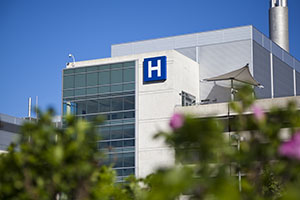
Recovery Pathways LLC has been offering addiction rehab to people who reside in Gladwin, Michigan and who are fighting with drug and alcohol abuse issues. As such, Recovery Pathways LLC offers a variety of services including relapse prevention, group therapy, cognitive/behavior therapy, vocational rehabilitation services, behavior modification, group therapy and others applying its unique approaches to addiction treatment and recovery.
This facility also thinks that results are best achieved by providing individual services to each client. Because of this, it has been specializing in a wide range of personalized treatments like co-occurring mental and substance abuse disorders, transgender or (LGBT) clients, residential beds for client's children, suicide prevention services, aftercare/continuing care, housing services and more. In the same way, this drug and alcohol rehab center offers these services in the following settings - short term drug abuse treatment, detox centers, outpatient individual counseling, long term rehab programs, inpatient addiction treatment centers and more.
Recovery Pathways LLC also ensures lasting sobriety and stability by promoting a robust aftercare program. Lastly, Recovery Pathways LLC accepts these forms of payment - including private insurance, private pay, payment assistance, sliding fee scale, access to recovery (atr) voucher, state welfare or child and family services funds and others.



Ten Sixteen Recovery Network is 22.3 miles from Gladwin, Michigan
Ten Sixteen Recovery Network has been offering recovery rehab to people who reside in and around Gladwin, MI. and who are battling with substance abuse disorders. As such, Ten Sixteen Recovery Network provides a wide array of services including relapse prevention, group therapy, cognitive/behavior therapy, vocational rehabilitation services, behavior modification, group therapy and others using its unique approaches to addiction treatment and recovery.
This rehab program also thinks that each client benefits most from individualized services. Because of this, it has been specializing in a wide collection of personalized treatments like co-occurring mental and substance abuse disorders, transgender or (LGBT) clients, residential beds for client's children, suicide prevention services, aftercare/continuing care, housing services and more. In the same way, this drug and alcohol treatment program offers these services in the following settings - short term drug and alcohol rehab centers, inpatient detox facilities, intensive outpatient treatment, long term addiction treatment programs, inpatient treatment facilities and more.
Ten Sixteen Recovery Network also ensures lasting sobriety and stability by promoting a robust aftercare program. Lastly, Ten Sixteen Recovery Network accepts these forms of payment - including private medical insurance, cash or self-payment, payment assistance, sliding fee scale, access to recovery (atr) voucher, state welfare or child and family services funds and others.


Sterling Area Health Center is 23.2 miles from Gladwin, Michigan
Helping a loved one who's struggling with drug addiction can be a complex task that requires compassion, patience, and understanding. Here are several steps you can take:
"People with substance use disorders engage in their behavior for various reasons, often complex and interconnected. Understanding these reasons is crucial to treating addiction. Here are some common factors:
Pleasure Seeking: Drugs often produce intense feelings of pleasure, euphoria, or relief from pain. The initial high can be so powerful that individuals continue using the substance to experience that feeling again.
Escape or Self-Medication: Many people use drugs as a way to escape from reality or cope with difficult feelings, trauma, stress, or mental health conditions such as anxiety, depression, or PTSD. Drugs can temporarily dull these feelings, but they do not address the root cause of the distress.
Physical Dependence: Over time, the body can develop a physical dependence on the substance, requiring it to function normally. Without the substance, the individual may experience unpleasant or even life-threatening withdrawal symptoms.
Psychological Dependence: Even after physical dependence is managed, psychological cravings can persist. The desire to use drugs can become a powerful mental urge that dominates a person's thoughts and behaviors.
Peer Pressure or Social Influence: The influence of friends or social circles where drug use is common can encourage initial use or ongoing abuse of drugs.
Genetic Factors and Early Exposure: Genetics can play a role in vulnerability to addiction, as can exposure to drugs at a young age or in the prenatal period.
Lack of Coping Mechanisms: Without healthy coping strategies for life's stresses and challenges, some people turn to drugs as a way of dealing with these issues.
Changes in Brain Function: Long-term substance use can lead to changes in the brain that result in increased cravings and decreased ability to resist drug use, despite harmful consequences.
LGBTQ+ (lesbian, gay, bisexual, transgender, queer, and others) individuals are indeed at a higher risk for drug and alcohol abuse due to a variety of factors that often intersect and compound over time. These factors primarily relate to the stress and challenges associated with living as a marginalized group in many societies. Here are some of the main factors:
Minority Stress: This term refers to the chronic stress faced by individuals belonging to a stigmatized minority group. For LGBTQ+ individuals, this can stem from societal prejudice, discrimination, and violence related to their sexual orientation or gender identity. Such stressors can contribute to increased substance use as a coping mechanism.
Stigma and Discrimination: Experiences of rejection, exclusion, and maltreatment can increase feelings of anxiety and depression, which are associated with higher substance use rates. This can occur in various settings, including workplaces, schools, and even within families and social networks.
Internalized Negative Self-Perceptions: LGBTQ+ individuals may internalize societal biases and develop negative self-perceptions about their identity, leading to feelings of guilt, shame, and low self-esteem. These feelings can contribute to the misuse of substances as a form of self-medication.
Lack of Inclusive Healthcare: Many healthcare systems lack the resources or training to provide culturally competent care to LGBTQ+ individuals. This can make it difficult for these individuals to seek help or access effective treatment for substance use disorders.
Social Isolation: Feelings of isolation, which can be the result of rejection or non-acceptance by family, friends, or society, can increase the risk of substance use and misuse.
Intersectional Identity Stressors: LGBTQ+ individuals who also belong to other marginalized groups (like racial or ethnic minorities) may face additional stressors that can increase the risk of substance abuse.
National Non Profit Helpline - 1-877-882-9275
Our National Non Profit Helpline is a 24/7, 365-day-a-year treatment referral and information service for individuals and families faced with mental and/or substance use disorders.
All calls are strictly confidential
Our service provides referrals to licensed treatment facilities, support groups, and community-based organizations. You don't have to struggle alone with addiction. Help is just a phone call away. Call 1-877-882-9275 now to get the help you need and deserve.



© Copyright 1998 - 2022 All Rights Reserved. Content is protected under copyright laws, do not use content without written permission.
