


2060 Grand River Annex
Brighton, MI. 48114
810-220-8192
Brighton, MI has a number of treatment choices: 2 medicaid treatment centers, 1 inpatient drug rehab, 5 drug rehabs that take private insurance like BCBS, 3 drug detox, 5 outpatient treatment programs.

For help finding an addiction treatment center, Call us!
All calls are 100% confidential and free
1-877-882-9275


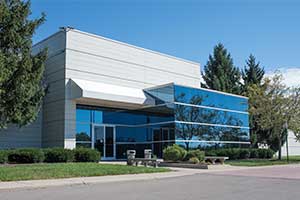
Ascension Brighton Center for Recovery provides addiction treatment and rehab services such as long term drug and alcohol rehabs, intensive outpatient treatment, outpatient detox facilities, short term addiction treatment programs, inpatient drug rehab centers, and others to people living in the local community so that they overcome their substance use disorders and achieve full recovery. It has services - such as dual diagnosis drug rehab, activity therapy, rational emotive behavioral therapy, substance abuse counseling approach, brief intervention approach, trauma therapy, and others - which follow its philosophy of the programs that work most effectively. This is because Ascension Brighton Center for Recovery knows that complete sobriety can only be achieved through highly personalized care.
In addition, the addiction treatment center specializes in many other programs - like treatment for spanish-speaking clients, programs for the hearing impaired, seniors or older adults, persons with post-traumatic stress disorder, persons with serious mental illness, suicide prevention services and more - as well as many other treatment modalities listed below. Further, this alcohol and drug treatment program has aftercare plans that work in line with its treatment methods to make sure that clients achieve and maintain permanent, full, and lasting sobriety, stability, and abstinence from alcohol and drugs.
Lastly, Ascension Brighton Center for Recovery accepts private pay, private insurance, payment assistance, military insurance, access to recovery (atr) voucher, other state funds, and more.


Advanced Counseling Services PC provides addiction care and rehabilitation services such as long term rehabs, intensive outpatient treatment, detox centers, short term drug and alcohol rehabs, inpatient drug and alcohol rehab facilities, and others to people living in the Brighton, Michigan area so that they conquer their substance abuse disorders and find full sobriety. It has services - such as dual diagnosis drug rehab, activity therapy, rational emotive behavioral therapy, substance abuse counseling approach, brief intervention approach, trauma therapy, and others - which follow its philosophy of the programs that work most effectively. This is because Advanced Counseling Services PC believes that complete recovery can only be achieved through highly individualized care.
In addition, the drug and alcohol rehab facility specializes in many other programs - like treatment for spanish-speaking clients, programs for the hearing impaired, seniors or older adults, persons with post-traumatic stress disorder, persons with serious mental illness, suicide prevention services and more - as well as many other treatment modalities listed below. Further, this addiction treatment center has aftercare programs that work in line with its treatment methods to make sure that clients achieve and maintain permanent, full, and lasting abstinence and sobriety from drugs and alcohol.
Lastly, Advanced Counseling Services PC accepts cash or self-payment, private health insurance, payment assistance, military insurance, access to recovery (atr) voucher, other state funds, and more.
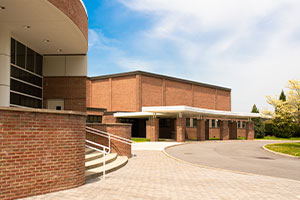
Brighton Center Inc provides addiction care and rehab services such as long term treatment centers, outpatient substance abuse counseling, detox facilities, short term drug and alcohol rehab centers, inpatient drug rehab centers, and others to clients residing in the Brighton, Michigan area so that they conquer their alcohol and drug abuse disorders and achieve full sobriety. It has services - such as dual diagnosis drug rehab, activity therapy, rational emotive behavioral therapy, substance abuse counseling approach, brief intervention approach, trauma therapy, and others - which follow its philosophy of the programs that work most effectively. This is because Brighton Center Inc knows that complete sobriety can only be achieved through highly individualized and personalized care.
In addition, the drug and alcohol rehab center specializes in many other programs - like treatment for spanish-speaking clients, programs for the hearing impaired, seniors or older adults, persons with post-traumatic stress disorder, persons with serious mental illness, suicide prevention services and more - as well as many other treatment modalities listed below. Further, this drug and alcohol rehab facility has aftercare programs that work in line with its treatment modalities to ensure that individuals achieve and maintain full, lasting, and permanent abstinence and sobriety from drugs and alcohol.
Lastly, Brighton Center Inc accepts cash or self-payment, private medical insurance, payment assistance, military insurance, access to recovery (atr) voucher, other state funds, and more.
Drug addiction can significantly change an individual's personality in various ways. The changes are often a result of how the substance interacts with the brain and can affect one's behaviors, emotions, and interactions with others. Here are some common ways in which drug addiction may alter personality:
Increased Aggression or Irritability: Substances can affect the brain's balance of neurotransmitters, leading to changes in mood and behavior. This can result in increased aggression, irritability, or mood swings, which might not align with the person's typical personality traits.
Decreased Motivation: Many addictive substances can lead to a decreased interest or motivation in activities that were once enjoyed. This can result in a noticeable change in personality, as the person may appear apathetic or disinterested in life outside their substance use.
Increased Impulsivity and Risk-taking: Drug addiction often leads to increased impulsivity and risk-taking behaviors. This is due to changes in the brain's reward system and decision-making processes, leading individuals to take more risks to obtain the substance, often disregarding the potential consequences.
Paranoia and Anxiety: Some substances can induce feelings of paranoia or increase levels of anxiety. Individuals who were previously calm and trusting may become suspicious, anxious, or overly worried.
Depression: Many individuals struggling with substance use disorders also experience symptoms of depression. This can lead to a noticeable change in personality, including increased sadness, lethargy, and withdrawal from social activities.
Manipulative Behavior: In order to continue using and obtaining drugs, individuals may resort to manipulative behaviors, such as lying, stealing, or deceit. This can result in a significant change in personality, as individuals may prioritize their addiction over their relationships and personal values.
Social Isolation: As drug addiction progresses, individuals may isolate themselves from family and friends, either to hide their substance use or because their primary relationships are increasingly with others who are using drugs.
Neglect of Personal Care: Addiction can lead to neglect of personal care and hygiene, which may manifest in physical changes as well as shifts in personality traits related to self-discipline and self-respect.
People may abuse addictive substances for a variety of reasons, often involving a complex interplay of biological, psychological, and social factors. Here are some common reasons:
Biological Factors: Certain individuals may be genetically predisposed to addiction. This could involve inherited traits that affect the way substances interact with their brain or influence their susceptibility to mental health disorders, which can increase the risk of substance abuse.
Psychological Factors: Many people turn to addictive substances as a way to cope with mental health issues such as depression, anxiety, or post-traumatic stress disorder. Substance use may provide temporary relief from these conditions, though in the long term it often exacerbates them.
Social Factors: Peer pressure, especially among young people, can lead to substance abuse. If an individual is in an environment where drug or alcohol use is common, they may feel compelled to partake in order to fit in.
Environmental Factors: Stressful or traumatic environments can increase the risk of substance abuse. This can include living in poverty, experiencing abuse or neglect, or being exposed to violence.
Curiosity and Experimentation: Particularly among adolescents and young adults, the desire to try new experiences can lead to substance use.
Self-Medication: Some people use substances to self-medicate physical pain. For example, the opioid crisis has been fueled in part by individuals who initially used prescription opioids to manage pain and then developed an addiction.
Escapism: People may use substances to escape their reality, numb emotional pain, or simply to feel good. Addictive substances often provide a temporary sense of euphoria or relaxation, which can be enticing.
Co-occurring Disorders: Individuals with co-occurring mental health disorders are at a significantly higher risk of substance use disorders. This is because these individuals might use substances as a form of self-medication.
Drug addiction, often referred to as Substance Use Disorder (SUD) in the mental health field, is a complex condition characterized by compulsive drug use despite harmful consequences. It's considered a brain disease because drugs change the brain's structure and how it works, leading to changes that can persist long after the cessation of drug use. Here are several reasons why it's not simply a matter of willpower to stop using drugs:
Physical Dependence: Repeated drug use can lead to physical dependence, where the body adapts to the drug and requires it to function normally. Abruptly stopping the drug can lead to withdrawal symptoms, which can be uncomfortable or even dangerous, creating a compelling reason to continue using the drug.
Changes in Brain Function: Drug use can disrupt critical brain areas involved in reward, motivation, learning, judgment, and memory. This can lead to intense cravings for the drug and impaired ability to resist drug use, even in the face of negative consequences.
Co-occurring Mental Health Disorders: Many individuals with substance use disorders also have other mental health disorders, such as depression, anxiety, or post-traumatic stress disorder. These individuals may use drugs as a way to self-medicate, making it difficult to stop without treating the underlying condition.
Environmental Factors: Social and environmental cues can trigger cravings and make it difficult to avoid substance use. This can include things like spending time with friends who use drugs, living in a stressful or chaotic environment, or even visiting places where they used to use drugs.
Psychological Factors: Some individuals may use drugs to cope with stress, trauma, or other adverse experiences. Without healthier coping mechanisms and support, it can be very challenging to stop using drugs.
It's essential to understand that addiction is a chronic disease, similar to diabetes or heart disease, and not a moral failing or lack of discipline. Just as with other chronic diseases, treatment often isn't a matter of simply deciding to stop. It usually involves medical intervention, behavioral therapies, and long-term support. With the right treatment and support, recovery from addiction is entirely possible.
National Non Profit Helpline - 1-877-882-9275
Our National Non Profit Helpline is a 24/7, 365-day-a-year treatment referral and information service for individuals and families faced with mental and/or substance use disorders.
All calls are strictly confidential
Our service provides referrals to licensed treatment facilities, support groups, and community-based organizations. You don't have to struggle alone with addiction. Help is just a phone call away. Call 1-877-882-9275 now to get the help you need and deserve.



© Copyright 1998 - 2022 All Rights Reserved. Content is protected under copyright laws, do not use content without written permission.

