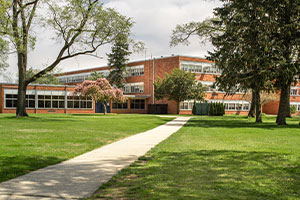
2045 West Maple Road
Walled Lake, MI. 48390
248-858-7766 x1279
Walled Lake, MI has nearby choices for addiction treatment including: 3 medicaid treatment centers, 1 inpatient rehab center, 3 drug rehabs that take PPO insurance like Blue Cross Blue Shield, 2 detox centers, 4 outpatient rehabs.

For help finding an addiction treatment center, Call us!
All calls are 100% confidential and free
1-877-882-9275






Henry Ford Maplegrove Center is 3.4 miles from Walled Lake, MI
Henry Ford Maplegrove Center has been dedicating its services and programs to helping individuals who are struggling with alcohol and drug addiction in Walled Lake, Michigan and within the surrounding area.
Henry Ford Maplegrove Center offers a wide collection of treatment and rehabilitation programs, including inpatient addiction treatment centers, inpatient detoxification facilities, outpatient day treatment, short term rehab programs, long term drug and alcohol rehab facilities and more. Henry Ford Maplegrove Center also believes that it is important that it provides tailored services to ensure that individuals get the results that they are looking for. This is why Henry Ford Maplegrove Center is specialized in rational emotive behavioral therapy, vocational rehabilitation services, contingency management/motivational incentive, motivational interviewing, relapse prevention, behavior modification, among other programs.
Henry Ford Maplegrove Center also provides housing services, seniors or older adults, clients with HIV/AIDS, suicide prevention services, veterans, co-occurring mental and substance abuse disorders, and provides some of the best aftercare programs - all of which have been proven to further the results its clients expect. This drug and alcohol treatment facility also uses treatment methods that can assist you in achieving long lasting sobriety.
Henry Ford Maplegrove Center also accepts the following forms of payment - private health insurance, private pay, medicaid, medicare, military insurance, county or local government funds, access to recovery (atr) voucher and more.
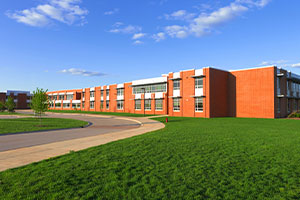
Therapeutics is 4 miles from Walled Lake, MI
Therapeutics has been dedicating its treatment programs and services to helping people who are struggling with alcohol and drug addiction in Walled Lake and within the surrounding area.
Therapeutics offers a wide range of treatment and rehabilitation programs, including inpatient drug addiction treatment, detoxification programs, outpatient counseling, short term addiction treatment facilities, long term drug rehab programs and more. Therapeutics also believes that it is important that it offers tailored services to ensure that its clients get the results that they are looking for. This is why Therapeutics is specialized in rational emotive behavioral therapy, vocational rehabilitation services, contingency management/motivational incentive, motivational interviewing, relapse prevention, behavior modification, among other programs.
Therapeutics also provides housing services, seniors or older adults, clients with HIV/AIDS, suicide prevention services, veterans, co-occurring mental and substance abuse disorders, and offers some of the best continued recovery programs - all of which have been proved to be useful in helping its clients. This drug and alcohol treatment program also uses treatment methods that can assist you in achieving long lasting sobriety.
Therapeutics also accepts the following forms of payment - private health insurance, private pay, medicare, medicaid, military insurance, county or local government funds, access to recovery (atr) voucher and more.
LGBTQ+ (lesbian, gay, bisexual, transgender, queer, and others) individuals are indeed at a higher risk for drug and alcohol abuse due to a variety of factors that often intersect and compound over time. These factors primarily relate to the stress and challenges associated with living as a marginalized group in many societies. Here are some of the main factors:
Minority Stress: This term refers to the chronic stress faced by individuals belonging to a stigmatized minority group. For LGBTQ+ individuals, this can stem from societal prejudice, discrimination, and violence related to their sexual orientation or gender identity. Such stressors can contribute to increased substance use as a coping mechanism.
Stigma and Discrimination: Experiences of rejection, exclusion, and maltreatment can increase feelings of anxiety and depression, which are associated with higher substance use rates. This can occur in various settings, including workplaces, schools, and even within families and social networks.
Internalized Negative Self-Perceptions: LGBTQ+ individuals may internalize societal biases and develop negative self-perceptions about their identity, leading to feelings of guilt, shame, and low self-esteem. These feelings can contribute to the misuse of substances as a form of self-medication.
Lack of Inclusive Healthcare: Many healthcare systems lack the resources or training to provide culturally competent care to LGBTQ+ individuals. This can make it difficult for these individuals to seek help or access effective treatment for substance use disorders.
Social Isolation: Feelings of isolation, which can be the result of rejection or non-acceptance by family, friends, or society, can increase the risk of substance use and misuse.
Intersectional Identity Stressors: LGBTQ+ individuals who also belong to other marginalized groups (like racial or ethnic minorities) may face additional stressors that can increase the risk of substance abuse.
Substance abuse recovery is often described as a lifelong process. This is due to the chronic nature of addiction, which is a brain disease characterized by compulsive drug seeking and use, despite harmful consequences. Like other chronic illnesses such as diabetes or heart disease, addiction often requires long-term or repeated care to manage symptoms and prevent relapse.
Here are key reasons why recovery is often a lifelong process:
An intervention for someone with a drug addiction is a structured and planned event designed to encourage the individual to acknowledge their addiction and seek professional help. The primary goal is to guide the person towards accepting treatment and taking the necessary steps towards recovery. Here is an outline of what typically happens during an intervention:
National Non Profit Helpline - 1-877-882-9275
Our National Non Profit Helpline is a 24/7, 365-day-a-year treatment referral and information service for individuals and families faced with mental and/or substance use disorders.
All calls are strictly confidential
Our service provides referrals to licensed treatment facilities, support groups, and community-based organizations. You don't have to struggle alone with addiction. Help is just a phone call away. Call 1-877-882-9275 now to get the help you need and deserve.



© Copyright 1998 - 2022 All Rights Reserved. Content is protected under copyright laws, do not use content without written permission.

