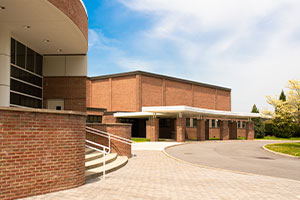
Luna Pier, Michigan
Luna Pier, MI Profile
Luna Pier, MI, population 1,483 , is located
in Michigan's Monroe county,
about 11.5 miles from Toledo and 35.2 miles from Ann Arbor.
In the 90's the population of Luna Pier has declined by about 2%.
It is Estimated in recent years the population of Luna Pier has been declining at an annual rate of less than one percent.
Reports show that during 2003 property crime levels in the Luna Pier area were lower than Michigan's average.
The same data shows violent crime levels to be higher than the Michigan average.
Luna Pier Statistics
Luna Pier Gender Information
Males in Luna Pier: 736 (50%)
Females in Luna Pier: 747 (50%)
As % of Population in Luna Pier
Race Diversity in Luna Pier
White: 95%
Native American: 1%
Other/Mixed: 4%
As % of Population in Luna Pier
Age Diversity in Luna Pier
Median Age in Luna Pier: 36.0 (Males in Luna Pier: 36.2, Females in Luna Pier: 35.8)
Luna Pier Males Under 20: 15%
Luna Pier Females Under 20: 16%
Luna Pier Males 20 to 40: 13%
Luna Pier Females 20 to 40: 13%
Luna Pier Males 40 to 60: 16%
Luna Pier Females 40 to 60: 14%
Luna Pier Males Over 60: 5%
Luna Pier Females Over 60: 7%
Economics in Luna Pier
Luna Pier Household Average Size: 2.51 people
Luna Pier Median Household Income: $ 40,909
Luna Pier Median Value of Homes: $ 101,200
Law Enforcement in Luna Pier
Reported crimes in the Luna Pier area during 2003:
Murder and non-negligent man-slaughter: 0
Forcible rape: 1
Robbery: 0
Aggravated assault: 8
Violent crime events per 100,000 people: 606
Burglary: 6
Larceny-theft: 28
Motor vehicle theft: 2
Arson: 0
Property crime events per 100,000 people: 2,424
Luna Pier Location Information
Land Area: 1.5 Square Miles.
Water Area: 0.2 Square Miles.
Nearby Towns & Cities to Luna Pier
South Monroe 6.3 Miles
Temperance 6.8 Miles
West Monroe 7.4 Miles
Harbor View 7.9 Miles
Monroe 7.9 Miles
Lambertville 10.0 Miles
Detroit Beach 10.4 Miles
Woodland Beach 11.4 Miles
Toledo 11.5 Miles
Oregon 11.5 Miles
Big Cities Nearest Luna Pier
(Population 100,000+)
Toledo 11.5 Miles
Ann Arbor 35.2 Miles
Livonia 39.1 Miles
Detroit 41.6 Miles
Warren 51.0 Miles
Sterling Heights 57.5 Miles
Flint 84.3 Miles
Lansing 85.7 Miles
Cleveland 92.8 Miles
Ft Wayne 99.1 Miles
|
Facts
The number of recent new users of methamphetamine nonmedically was 318,000 in 2004. Between 2002 and 2004, the number of methamphetamine initiates remained level at around 300,000 per year. The average age of new users was 18.9 years in 2002, 20.4 years in 2003, and 22.1 years in 2004. The U.S. government agencies primarily responsible for apprehending cocaine traffickers are the U.S. Drug Enforcement Agency (DEA), Federal Bureau of Investigation, U.S. Customs Service, U.S. Border Patrol, and the U.S. Coast Guard. Drug abuse statistics effectively highlight the severity of the increasing seriousness of drug dependency and addiction in today's society. These drug abuse statistics not only demonstrate the relatively easy availability of drugs but the serious need for treatment and substance abuse facilities. Of particular concern is the correlation of the drug abuse statistics and the national trends in domestic violence and child abuse. Startling drug abuse statistics for the year 2007 indicate that more than 7.5 million residents of the U.S. required treatment for illegal drug use. In addition to the number of citizens requiring treatment, drug abuse statistics further indicate that more than 6.2 million residents needed but did not receive treatment for illegal drug use. Approximately 70% of persons using illegal drugs made no effort to receive treatment for their dependency or addiction. By conducting interviews with outpatients who had been cocaine users, researchers have identified three phases that occur after a person stops taking the drug: The crash occurs when a person who has used cocaine for an extended period suddenly stops taking the drug. In this state, the person becomes extremely exhausted. The crash can last between nine hours and four days. At the beginning of the crash, the person feels a craving for cocaine, irritability, dysphoria, and agitation. In the middle of the crash, the individual yearns for sleep. In the late crash, the person sleeps excessively. Some individuals may suffer from extreme depression in the early stages of the crash (especially those who have suffered from depression in the past). They may think about or try to commit suicide. Even first-time users of cocaine can experience the crash, depending on how high the dose and how long the period of use. |
Sobriety
Sobriety means the moderation in or abstinence from consumption of alcoholic liquor or use of drugs. When an individual with an addiction problem enters drug rehabilitation, their main goal is to attain long term sobriety. Unfortunately, sometimes drug addicts and alcoholics find they are able to sustain short periods of sobriety followed by a drug or alcohol relapse. This is why attending a drug or alcohol rehab will help the individual maintain their focus on sobriety. Often, it is only by getting help that individuals with severe drug addiction problems are able to achieve lasting sobriety.
Alcoholism
Alcoholism, also known as "alcohol dependence," is a condition that includes craving and continued alcohol abuse despite repeated drinking-related problems, such as losing a job or getting into trouble with the law. It includes four major areas: Craving: - A strong need, or compulsion, to drink. Impaired control: -The inability to limit one's drinking on any given occasion. Physical dependence: -Withdrawal symptoms, such as nausea, sweating, shakiness, and anxiety, when alcohol use is stopped after a period of heavy drinking. Tolerance: - The need for increasing amounts of alcohol in order to feel its effects.
Withdrawal
Withdrawal is what happens when a person who is addicted to drugs or alcohol discontinues use. There are numerous symptoms that take place both physically and emotionally when an addicted individual stops using. Withdrawal can last a few days to a few weeks and may include nausea or vomiting, sweating, shakiness, and anxiety. Keep in mind; this only occurs if a person has regular, heavy use of a drug or alcohol. Withdrawal can be extremely uncomfortable without professional help. Treatment for withdrawal from alcohol or drugs may require a medical professional to be present. Drug and alcohol rehabilitation is often the best way to overcome withdrawal and its symptoms as well as recovery from drug addiction.
Dependence
Dependence is the compulsive use of a substance despite negative consequences which can be severe; drug dependence is simply excessive use of a drug or use of a drug for purposes for which it was not medically intended. Physical dependence on a substance (needing a drug to function) is not necessary or sufficient to define addiction. There are some substances that don't cause addiction but do cause physical dependence (for example, some blood pressure medications) and substances that cause addiction but not classic physical dependence (cocaine withdrawal, for example, it does not have symptoms like vomiting and chills; it is mainly characterized by depression).
Drug Abuse
Drug abuse is defined as the chronic or habitual use of any chemical substance to alter states of body or mind for other than medically warranted purposes. Drug abuse is a problem which has an effect on people of all income levels,
ages, and stations in life. Quite often the last person to see that there is a
problem is the drug abuser them self. Every year, more and more people become
drug addicts in their pursuit to get "high".
|
|

To Find Drug Rehab and Treatment Centers in Luna Pier
Call toll free


Luna Pier Drug Rehab and
Alcohol Addiction Treatment Information
|