

104 Spink Street
Wooster, OH. 44691
330-264-8498
Wooster, OH has several nearby treatment choices including: 6 low cost treatment centers, 1 inpatient drug rehab, 4 drug rehabs that take private insurance like Cigna, 2 detox centers, 3 outpatient treatment programs.

For help finding an addiction treatment center, Call us!
All calls are 100% confidential and free
1-877-882-9275


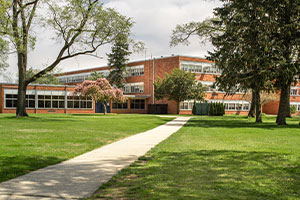
Pathway has been providing addiction care to people who reside in and around Wooster and who are battling with drug and alcohol abuse disorders. As such, Pathway offers a variety of services such as cognitive/behavior therapy, individual psychotherapy, 12-step facilitation approach, behavior modification, group therapy, substance abuse counseling approach and others using its unique philosophy of evidence based approaches to addiction treatment.
This rehab program also thinks that results are best achieved by providing individual services to each client. To this end, it has been specializing in a wide collection of personalized treatments like self-help groups, domestic violence, transgender or (LGBT) clients, clients referred from the court/judicial system, social skills development, veterans and more. In the same way, this substance abuse treatment center offers these services in the following settings - outpatient detox centers, long term drug abuse treatment, outpatient hospital programs, inpatient drug rehab centers, short term rehab programs and more.
Pathway also ensures lasting sobriety and stability by promoting a robust aftercare program. Lastly, Pathway accepts these forms of payment - including cash or self-payment, private health insurance, military insurance, payment assistance, access to recovery (atr) voucher, state corrections or juvenile justice funds and others.


A New Day Lodi LLC is 15.6 miles from Wooster, Ohio
A New Day Lodi LLC has been offering addiction rehab to individuals who live in and around Wooster, Ohio and who are fighting with alcohol and drug abuse issues. As such, A New Day Lodi LLC offers a wide array of services such as cognitive/behavior therapy, individual psychotherapy, 12-step facilitation approach, behavior modification, group therapy, substance abuse counseling approach and others applying its unique philosophy of evidence based approaches to addiction recovery and treatment.
This rehabilitation center also thinks that the best results for clients are gotten from individualized services. To this end, it has been specializing in a wide collection of personalized treatments like self-help groups, domestic violence, transgender or (LGBT) clients, clients referred from the court/judicial system, social skills development, veterans and more. In the same way, this alcohol and drug rehab center offers these treatments in the following settings - detoxification facilities, long term rehab programs, outpatient substance abuse treatment services, inpatient treatment programs, short term treatment facilities and more.
It also has aftercare programs designed to replicate its treatment methods in the creation of a level of stability, abstinence, and sobriety that is permanent and lasting. Lastly, A New Day Lodi LLC accepts these payment forms - including private pay, private health insurance, military insurance, payment assistance, access to recovery (atr) voucher, state corrections or juvenile justice funds and others.
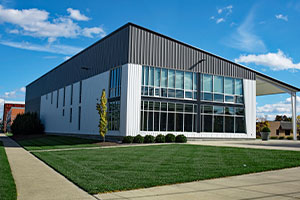
Ashland County Council on is 18.2 miles from Wooster, OH
Ashland County Council on has been offering recovery care to individuals who live in and around Wooster, OH. and who are fighting with substance use issues. As such, Ashland County Council on offers a array of services including cognitive/behavior therapy, individual psychotherapy, 12-step facilitation approach, behavior modification, group therapy, substance abuse counseling approach and others using its unique philosophy of evidence based approaches to addiction recovery and treatment.
This program also thinks that each client benefits most from individualized services. Because of this, it has been specializing in a wide array of personalized treatments like self-help groups, domestic violence, transgender or (LGBT) clients, clients referred from the court/judicial system, social skills development, veterans and more. In the same way, this alcohol and drug rehabilitation program provides these treatments in the following settings - outpatient detoxification programs, long term treatment programs, outpatient substance abuse treatment services, inpatient addiction treatment programs, short term rehab facilities and more.
It also has aftercare programs designed to replicate its treatment methods in the creation of a level of stability, abstinence, and sobriety that is permanent and lasting. Lastly, Ashland County Council on accepts these payment forms - including private pay, private medical insurance, military insurance, payment assistance, access to recovery (atr) voucher, state corrections or juvenile justice funds and others.
Facing a family member who is a drug abuser is a challenging and emotional process. The ultimate goal should be to encourage the individual to seek help. Here are some steps that can be taken:
Physical symptoms: Some common physical symptoms of fentanyl use include drowsiness, constricted pupils, slurred speech, shallow or slow breathing, and decreased coordination. You may also notice itching, flushed skin, or sweating.
Behavioral changes: Fentanyl use can result in changes in behavior, such as increased secrecy, social withdrawal, or unexplained absences. You may notice a shift in mood or energy levels, as well as a decline in personal hygiene or appearance.
Sleep patterns: Fentanyl can cause sedation and changes in sleep patterns. If your loved one is sleeping more than usual, experiencing difficulty waking up, or nodding off at inappropriate times, it may be a sign of fentanyl use.
Gastrointestinal issues: Fentanyl, like other opioids, can cause gastrointestinal side effects such as constipation, nausea, and vomiting. If your loved one is experiencing these issues without an apparent cause, it may be a sign of fentanyl use.
Paraphernalia: Finding drug paraphernalia, such as syringes, small plastic bags, or spoons with burn marks, may indicate fentanyl use. Fentanyl is often sold as a powder or in counterfeit pills, so be alert for unfamiliar pills or powders in your loved one's possession.
Unexplained financial problems: Fentanyl use can result in financial difficulties due to the cost of obtaining the drug. If your loved one is experiencing unexplained financial issues or frequently requesting money, it could be a sign of fentanyl use.
Changes in social circles: A shift in your loved one's social circle or a sudden disinterest in activities they once enjoyed may indicate fentanyl use, as they may be prioritizing drug use over other aspects of their life.
If you or someone you know is struggling with opioid addiction, seeking help is a crucial first step towards recovery. There are several resources and options available to assist you in overcoming opioid addiction:
National Non Profit Helpline - 1-877-882-9275
Our National Non Profit Helpline is a 24/7, 365-day-a-year treatment referral and information service for individuals and families faced with mental and/or substance use disorders.
All calls are strictly confidential
Our service provides referrals to licensed treatment facilities, support groups, and community-based organizations. You don't have to struggle alone with addiction. Help is just a phone call away. Call 1-877-882-9275 now to get the help you need and deserve.



© Copyright 1998 - 2022 All Rights Reserved. Content is protected under copyright laws, do not use content without written permission.
