Groveport, Ohio Alcohol and Drug Rehabilitation Centers
Groveport, OH has several nearby treatment choices including: 1 medicare treatment center, 1 inpatient drug rehab, 4 drug rehabs that take private insurance like BCBS, 1 detox center, 4 outpatient treatment programs.
Get Help - Find a Rehab Center Today
Popular Searches for Drug and Alcohol Rehab in Groveport, Ohio:
Skip To Rehab Listing
Treatment Facility Settings and Treatment Approaches
Groveport's numerous rehabilitation programs, some of which are laid out below, handle a problem that is prevalent in cities throughout the United States: substance abuse. These centers counter this problem locally by providing sites and services that are convenient for clients within the area. These settings include: inpatient drug addiction treatment, outpatient detoxification centers, long term drug and alcohol rehab programs, short term drug treatment, outpatient hospital programs.
Drug and alcohol treatment programs utilize a number of methods, ranging from traditional approaches to recently developed approaches such as: individual psychotherapy, cognitive/behavior therapy, trauma-related counseling, behavior modification, brief intervention approach, contingency management/motivational incentive. The outcome is an array of programs that clear the path to achievable sustained recovery for many clients.
Special Programs for Addiction Offered by Rehab Facilities
Those struggling with drug or alcohol use generally require individualized assistance to break free from addiction. That is why treatment centers in Groveport provide special services that help patients within their personal circumstances. Some of these services are included here: co-occurring mental and substance abuse disorders, residential beds for client's children, persons who have experienced sexual abuse, programs for the hearing impaired, housing services, seniors or older adults.
Rehab Payment Options in Groveport
Patients are faced with differing economic circumstances, which is the reason addiction treatment programs offer several payment choices, like: private health insurance, private pay, sliding fee scale, military insurance, other state funds, county or local government funds.
Funding should not be a hurdle to addiction recovery. Rehab centers guide clients toward the financing opportunities that serve their specific budgetary concerns.
With a variety of centers, rehabs, resources, methods and payment alternatives, Groveport offers patients multiple options when it comes to seeking recovery from substance abuse.
Dr. Gina M Jansheski, M.D.

Dr. Po-Chang Hsu, M.D., M.S.

Renee Warmbrodt, RN, MSN, CPNP-PC

Alcohol and Drug Rehabilitation Programs Serving the Groveport, Ohio Area:
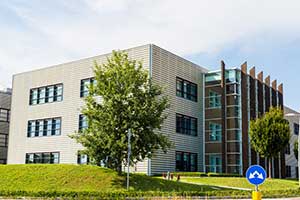 3964 Hamilton Square Boulevard
Groveport, OH. 43125
614-610-1506
Recovery Village Columbus has been providing recovery care and rehabilitation services to residents of the Groveport, OH. area. Today, Recovery Village Columbus offers services like individual psychotherapy, cognitive/behavior therapy, trauma-related counseling, behavior modification, brief intervention approach, contingency management/motivational incentive and others in keeping with its philosophy of following rehab treatments that work best to help addicts achieve recovery.
This addiction treatment center also believes that individual care for each client is the best way to provide them with the best form of treatment. Services are available in the following settings - inpatient drug and alcohol rehab facilities, inpatient detoxification facilities, long term drug treatment, short term addiction treatment centers, outpatient substance abuse counseling and others.
It also believes that an aftercare program is integral in promoting recovery in the long term. Lastly, Recovery Village Columbus accepts private medical insurance, private pay, sliding fee scale, military insurance, other state funds, county or local government funds and others as payment forms.
Manifesting ExcellenceTreatment Center Manifesting Excellence LLC
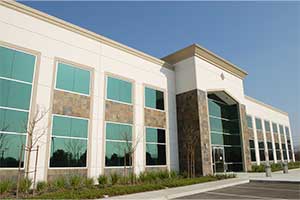 6100 Channingway Boulevard
Columbus, OH. 43232
614-694-0990
Manifesting ExcellenceTreatment Center is 7.6 miles from Groveport, Ohio
Manifesting ExcellenceTreatment Center has been providing ongoing recovery treatment and rehab services to people who live in the Groveport, Ohio area. Today, Manifesting ExcellenceTreatment Center provides services like individual psychotherapy, cognitive/behavior therapy, trauma-related counseling, behavior modification, brief intervention approach, contingency management/motivational incentive and others in line with its belief of following rehab treatments that work best to help people achieve sobriety.
This alcohol and drug rehab facility also believes the best form of treatment to ensure success is to offer individualized care. Services are available in the following settings - inpatient rehab programs, outpatient detoxification programs, long term treatment centers, short term treatment centers, outpatient hospital programs and others.
Manifesting ExcellenceTreatment Center also offers aftercare programs to ensure that its clients achieve positive outcomes both in the short and in the long term. Lastly, Manifesting ExcellenceTreatment Center accepts private insurance, cash or self-payment, sliding fee scale, military insurance, other state funds, county or local government funds and others as payment forms.
Whitehall CAP Inc WCAP Counseling
 1900 Brice Road
Reynoldsburg, OH. 43068
614-239-9965
Whitehall CAP Inc is 7.8 miles from Groveport, OH
Whitehall CAP Inc has been offering ongoing addiction care and rehab services to people who live in the Groveport, Ohio area. Today, Whitehall CAP Inc offers services like individual psychotherapy, cognitive/behavior therapy, trauma-related counseling, behavior modification, brief intervention approach, contingency management/motivational incentive and others in line with its philosophy of following rehab treatments that work best to help clients achieve recovery.
This alcohol and drug treatment facility also believes that individual care for each client is the best way to provide them with the best form of treatment. Services are available in the following settings - inpatient rehabs, inpatient detoxification centers, long term rehabs, short term addiction treatment programs, outpatient substance abuse counseling and others.
It also believes that an aftercare program is integral in promoting recovery in the long term. Lastly, Whitehall CAP Inc accepts private health insurance, private pay, sliding fee scale, military insurance, other state funds, county or local government funds and others as payment forms.
Lighthouse Behavioral Health
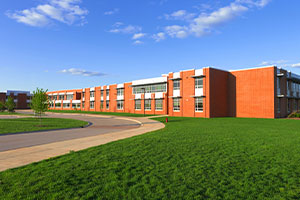 4000 East Main Street
Columbus, OH. 43213
614-334-6903
Lighthouse Behavioral Health is 8.4 miles from Groveport, OH
Lighthouse Behavioral Health has been offering ongoing recovery care and rehab services to people who live in the Groveport, Ohio area. Today, Lighthouse Behavioral Health provides services like individual psychotherapy, cognitive/behavior therapy, trauma-related counseling, behavior modification, brief intervention approach, contingency management/motivational incentive and others in keeping with its belief of following rehabilitation treatments that work best to help clients achieve sobriety.
This addiction treatment facility also believes the best form of treatment to ensure success is to offer individualized care. Services are available in the following settings - inpatient drug rehab programs, detoxification facilities, long term treatment centers, short term drug addiction treatment, outpatient day treatment and others.
It also believes that an aftercare program is integral in promoting recovery in the long term. Lastly, Lighthouse Behavioral Health accepts private medical insurance, cash or self-payment, sliding fee scale, military insurance, other state funds, county or local government funds and others as forms of payment.
Find Drug and Alcohol Treatment Centers in or around the following Ohio cities:
Top Cities For Recovery:
Commonly Asked Questions about Addiction and Treatment
What are the principles of recovery from drug and alcohol addiction?
Recovery from drug and alcohol addiction is an unique and individualized process. However, there are several key principles that are commonly recognized as important for successful recovery. These principles include:
- Acceptance: Acknowledging the presence of an addiction and the need for change is the first step in the recovery process. Acceptance involves recognizing the consequences of substance use and taking responsibility for one's actions.
- Commitment: Recovery requires a strong commitment to change and the willingness to take consistent action. This may involve making difficult decisions, such as cutting ties with unhealthy influences or seeking professional help.
- Support: Building a strong support network is critical in recovery. This can include friends, family, peers, counselors, or support groups, who can provide encouragement, advice, and understanding throughout the process.
- Holistic Approach: Addressing all aspects of a person's life�''physical, mental, emotional, and spiritual�''can contribute to a more successful recovery. This may involve incorporating healthy habits, such as exercise, proper nutrition, and mindfulness practices, into one's daily routine.
- Personal Responsibility: Taking personal responsibility for one's actions and choices is essential for long-term recovery. This includes understanding triggers, developing coping strategies, and setting boundaries to prevent relapse.
- Coping Skills: Learning and practicing healthy coping skills can help manage stress and emotional challenges without resorting to substance use. These skills may include relaxation techniques, problem-solving strategies, or communication skills.
- Ongoing Growth: Recovery is a lifelong process that requires ongoing growth and self-improvement. This may involve setting personal goals, building self-esteem, and continuously evaluating and adjusting one's approach to recovery.
- Hope: Believing in the possibility of a better future and maintaining a positive outlook is crucial for recovery. Hope can serve as a powerful motivator and provide the strength to overcome setbacks and challenges.
- Honesty: Being honest with oneself and others is essential for building trust and promoting self-awareness in recovery. Honesty helps individuals confront their struggles and maintain accountability for their actions.
- Patience: Recovery is a gradual process that requires patience and perseverance. It's important to recognize that setbacks and challenges are a normal part of the journey and to maintain a long-term perspective on personal growth and healing.
How can I get a person help that is addicted to drugs?
Educate yourself: Learn about drug addiction, its causes, symptoms, and treatment options. Understanding the complexities of addiction will help you better empathize with the person and offer informed support.
-
Approach with compassion: Initiate a conversation about their drug use in a non-confrontational, empathetic, and non-judgmental manner. Express your concerns about the impact of their drug use on their well-being and the potential consequences.
-
Encourage professional help: Encourage the person to seek professional assistance from a medical professional, therapist, or addiction counselor. Offer to help them find suitable resources and provide support as they take steps towards treatment. It's important to remember that professional help is often crucial for successful recovery from addiction.
-
Offer emotional support: Be available to listen and provide emotional support throughout the recovery process. Maintain open communication and offer a safe space for the individual to share their experiences and feelings.
-
Suggest support groups: Recommend joining support groups such as Narcotics Anonymous (NA), Alcoholics Anonymous (AA), or SMART Recovery, which provide a community of individuals with similar experiences and offer guidance and encouragement throughout the recovery process.
-
Set boundaries: Establish clear boundaries to protect your own well-being and communicate your expectations about the person's behavior. Be firm yet compassionate, making it clear that you will not enable their drug use.
-
Assist with lifestyle changes: Help the person develop healthier habits, such as engaging in physical activity, improving their diet, and finding alternative ways to manage stress. Offer to participate in these activities together to provide additional support and motivation.
-
Be patient: Recovery from drug addiction is a long-term process, and relapses may occur. Understand that setbacks are part of the journey, and continue to offer support and encouragement as the person works towards sobriety.
-
Care for yourself: Supporting someone with drug addiction can be emotionally taxing. Ensure you are taking care of your own mental and emotional health by seeking support from friends, family, or professional counselors if needed.
If my mom and dad were substance abusers am I destined for the same?
While a family history of substance abuse can increase your risk of developing a similar issue due to both genetic and environmental factors, it does not mean you are destined to become a substance abuser. Genetics can make up about 40-60% of the risk for addiction, but the remaining percentage is influenced by environmental and personal factors.
Environmental influences can include your upbringing, your parents' behaviors, your exposure to drugs or alcohol, your social circle, and your experiences with stress and trauma. Personal factors involve your individual personality traits, your mental health, and your coping mechanisms. All these can significantly contribute to whether or not you develop a substance use disorder.
Importantly, risk is not destiny. Just because you are at a higher risk doesn't mean you will inevitably develop a substance abuse problem. Prevention strategies can be highly effective. These might include:
Education: Understanding the risks and consequences of substance abuse can deter initiation of drug use.
Healthy Coping Mechanisms: Developing healthy ways to cope with stress, such as through exercise, meditation, hobbies, or therapy, can reduce the need to turn to substances for relief.
Strong Support Networks: Having supportive and understanding friends, family, or mentors can provide a safety net when facing potential pitfalls.
Mental Health Care: Ensuring good mental health through therapy or counseling can reduce the risk, as mental health disorders can increase the likelihood of substance abuse.
Delaying Substance Use: The later in life a person first uses drugs, the less likely they are to develop a problem.
Remember, even if substance abuse does become an issue, it is not a life sentence. Effective treatments are available that can help individuals overcome addiction and lead healthy, productive lives. If you're worried about your risk, it might be helpful to discuss your concerns with a healthcare provider, a counselor, or a trusted person in your life.
National Non Profit Helpline - 1-877-882-9275
Our National Non Profit Helpline is a 24/7, 365-day-a-year treatment referral and information service for individuals and families faced with mental and/or substance use disorders.
All calls are strictly confidential
Our service provides referrals to licensed treatment facilities, support groups, and community-based organizations. You don't have to struggle alone with addiction. Help is just a phone call away. Call 1-877-882-9275 now to get the help you need and deserve.
1-877-882-9275





