

1526 Republic Street
Cincinnati, OH. 45202
513-241-2965
Cincinnati, OH has a wide range of treatment options including: 12 medicare programs, 6 inpatient rehab centers, 17 drug rehabs that take private insurance like Blue Cross Blue Shield, 10 drug detox, 21 outpatient treatment programs.

For help finding an addiction treatment center, Call us!
All calls are 100% confidential and free
1-877-882-9275You can now filter our treatment results to show you tailored rehab programs that fit your exact needs. Just choose the type of treatment you are looking for, a payment type such as private insurance or low cost, and any specialized treatment approach you are interested in. Click submit and we will provide a list of alcohol and drug rehab centers that match your criteria.







Good Samaritan Treatment Program has been dedicating its treatment services and programs to helping people who are battling drug and alcohol addiction in Cincinnati and within the surrounding area.
Good Samaritan Treatment Program provides a wide range of treatment and rehabilitation methods, including inpatient drug rehab programs, long term drug rehab programs, outpatient detoxification facilities, outpatient individual counseling, short term rehabs and more. Good Samaritan Treatment Program also believes that it is vital that it offers individual services to ensure that individuals get the results that they require. This is why Good Samaritan Treatment Program is specialized in group therapy, dual diagnosis drug rehab, motivational interviewing, contingency management/motivational incentive, behavior modification, rational emotive behavioral therapy, among other programs.
Good Samaritan Treatment Program also provides seniors or older adults, persons with serious mental illness, transgender or (LGBT) clients, programs for the hearing impaired, active duty military, social skills development, and provides some of the best continued recovery programs - all of which have been proven to further the results its clients expect. This substance abuse treatment facility also uses treatment modalities that can assist you in achieving long lasting sobriety.
Good Samaritan Treatment Program also accepts the following forms of payment - private pay, private medical insurance, payment assistance, medicare, medicaid, state education funds, other state funds and more.

National Youth Advocate Program Inc has been dedicating its treatment services and programs to helping individuals who are struggling with substances of abuse in Cincinnati, OH. and its surrounding area.
National Youth Advocate Program Inc facilitates a wide variety of treatment and rehabilitation services, including inpatient drug and alcohol rehab programs, long term rehabs, detoxification facilities, outpatient substance abuse treatment services, short term drug rehab programs and more. National Youth Advocate Program Inc also believes that it is necessary that it offers tailored services to ensure that its clients get the results that they need. This is why National Youth Advocate Program Inc is specialized in group therapy, dual diagnosis drug rehab, motivational interviewing, contingency management/motivational incentive, behavior modification, rational emotive behavioral therapy, among other programs.
National Youth Advocate Program Inc also provides seniors or older adults, persons with serious mental illness, transgender or (LGBT) clients, programs for the hearing impaired, active duty military, social skills development, and offers some of the best aftercare programs - all of which are helpful to its clients. This alcohol and drug rehab center also uses treatment methods that can help you achieve full stability both in the long term and permanently.
National Youth Advocate Program Inc also accepts the following forms of payment - cash or self-payment, private health insurance, payment assistance, medicaid, medicare, state education funds, other state funds and more.
First Step Home Inc has been dedicating its services and programs to helping people who are battling drug and alcohol addiction in Cincinnati, Ohio and its surrounding area.
First Step Home Inc offers a wide variety of treatment and rehabilitation services, including inpatient addiction treatment programs, long term rehab centers, outpatient detox programs, outpatient counseling, short term addiction treatment centers and more. First Step Home Inc also believes that it is important that it provides tailored services to ensure that individuals get the results that they require. This is why First Step Home Inc is specialized in group therapy, dual diagnosis drug rehab, motivational interviewing, contingency management/motivational incentive, behavior modification, rational emotive behavioral therapy, among other programs.
First Step Home Inc also provides seniors or older adults, persons with serious mental illness, transgender or (LGBT) clients, programs for the hearing impaired, active duty military, social skills development, and provides some of the best aftercare programs - all of which have been proved to be useful in helping its clients. This alcohol and drug rehabilitation program also uses treatment modalities that can assist you in achieving long lasting sobriety.
First Step Home Inc also accepts the following forms of payment - private pay, private health insurance, payment assistance, medicare, medicaid, state education funds, other state funds and more.



Sunrise Treatment Center/Forest Park has been dedicating its services and programs to helping individuals who are struggling with alcohol and drug abuse in Cincinnati and within the surrounding area.
Sunrise Treatment Center/Forest Park provides a wide variety of treatment and rehabilitation services, including inpatient drug and alcohol rehabs, long term drug treatment, outpatient detox centers, outpatient individual counseling, short term drug and alcohol rehab centers and more. Sunrise Treatment Center/Forest Park also believes that it is important that it presents individual services to ensure that individuals get the results that they want. This is why Sunrise Treatment Center/Forest Park is specialized in group therapy, dual diagnosis drug rehab, motivational interviewing, contingency management/motivational incentive, behavior modification, rational emotive behavioral therapy, among other programs.
Sunrise Treatment Center/Forest Park also provides seniors or older adults, persons with serious mental illness, transgender or (LGBT) clients, programs for the hearing impaired, active duty military, social skills development, and provides some of the best continued recovery programs - all of which are necessary and helpful to its clients. This addiction treatment facility also uses treatment methods that can help you achieve full stability both in the long term and permanently.
Sunrise Treatment Center/Forest Park also accepts the following types of payment - private pay, private insurance, payment assistance, medicare, medicaid, state education funds, other state funds and more.
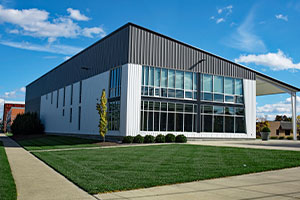
eXclusive Services has been dedicating its treatment programs and services to helping individuals who are battling drug and alcohol addiction in Cincinnati, OH. and within the surrounding area.
To this end, eXclusive Services offers a wide collection of treatment and rehabilitation methods, including inpatient drug and alcohol rehab programs, long term drug rehab programs, inpatient detox facilities, outpatient hospital programs, short term treatment facilities and more. eXclusive Services also believes that it is vital that it offers individual services to ensure that its clients get the results that they need. This is why eXclusive Services is specialized in group therapy, dual diagnosis drug rehab, motivational interviewing, contingency management/motivational incentive, behavior modification, rational emotive behavioral therapy, among other programs.
eXclusive Services also provides seniors or older adults, persons with serious mental illness, transgender or (LGBT) clients, programs for the hearing impaired, active duty military, social skills development, and offers some of the best continued recovery programs - all of which have been proved to be useful in helping its clients. This alcohol and drug rehab also uses treatment modalities that can help you achieve the best possible outcome.
eXclusive Services also accepts the following forms of payment - cash or self-payment, private insurance, payment assistance, medicare, medicaid, state education funds, other state funds and more.

Cincinnati VA Medical Center has been dedicating its services and programs to helping individuals who are struggling with substances of abuse in Cincinnati, Ohio and its surrounding area.
Cincinnati VA Medical Center offers a wide collection of treatment and rehabilitation services, including inpatient rehab programs, long term rehab programs, outpatient detoxification centers, outpatient substance abuse counseling, short term drug rehab facilities and more. Cincinnati VA Medical Center also believes that it is necessary that it presents unique services to ensure that its clients get the results that they need. This is why Cincinnati VA Medical Center is specialized in group therapy, dual diagnosis drug rehab, motivational interviewing, contingency management/motivational incentive, behavior modification, rational emotive behavioral therapy, among other programs.
Cincinnati VA Medical Center also provides seniors or older adults, persons with serious mental illness, transgender or (LGBT) clients, programs for the hearing impaired, active duty military, social skills development, and provides some of the best continued recovery programs - all of which have been proved to be useful in helping its clients. This drug and alcohol rehab facility also uses treatment modalities that can help you achieve full stability both in the long term and permanently.
Cincinnati VA Medical Center also accepts the following forms of payment - cash or self-payment, private medical insurance, payment assistance, medicaid, medicare, state education funds, other state funds and more.

Addiction Services Council has been dedicating its treatment programs and services to helping individuals who are battling drug and alcohol addiction in Cincinnati and its surrounding area.
Addiction Services Council provides a wide range of treatment and rehabilitation programs, including inpatient drug and alcohol rehab facilities, long term drug abuse treatment, detoxification facilities, outpatient individual counseling, short term treatment centers and more. Addiction Services Council also believes that it is important that it presents unique services to ensure that individuals get the results that they want. This is why Addiction Services Council is specialized in group therapy, dual diagnosis drug rehab, motivational interviewing, contingency management/motivational incentive, behavior modification, rational emotive behavioral therapy, among other programs.
Addiction Services Council also provides seniors or older adults, persons with serious mental illness, transgender or (LGBT) clients, programs for the hearing impaired, active duty military, social skills development, and provides some of the best continued recovery programs - all of which have been proven to further the results its clients expect. This addiction treatment program also uses treatment modalities that can help you achieve full stability both in the long term and permanently.
Addiction Services Council also accepts the following forms of payment - cash or self-payment, private health insurance, payment assistance, medicaid, medicare, state education funds, other state funds and more.
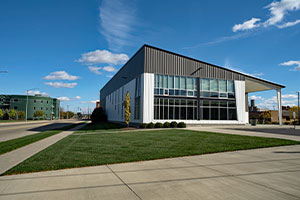


Bethesda Blue Ash Treatment Prog has been dedicating its services and programs to helping individuals who are struggling with alcohol and drug abuse in Cincinnati, OH. and its surrounding area.
Bethesda Blue Ash Treatment Prog facilitates a wide range of treatment and rehabilitation services, including inpatient rehab centers, long term treatment centers, inpatient detoxification programs, outpatient individual counseling, short term addiction treatment facilities and more. Bethesda Blue Ash Treatment Prog also believes that it is important that it presents specific services to ensure that its clients get the results that they need. This is why Bethesda Blue Ash Treatment Prog is specialized in group therapy, dual diagnosis drug rehab, motivational interviewing, contingency management/motivational incentive, behavior modification, rational emotive behavioral therapy, among other programs.
Bethesda Blue Ash Treatment Prog also provides seniors or older adults, persons with serious mental illness, transgender or (LGBT) clients, programs for the hearing impaired, active duty military, social skills development, and provides some of the best continued recovery programs - all of which have been proven to further the results its clients expect. This drug and alcohol rehab program also uses treatment modalities that can help you achieve full stability both in the long term and permanently.
Bethesda Blue Ash Treatment Prog also accepts the following forms of payment - cash or self-payment, private insurance, payment assistance, medicaid, medicare, state education funds, other state funds and more.
Pinnacle Treatment Ctr OH VI has been dedicating its treatment services and programs to helping individuals who are battling drug and alcohol addiction in Cincinnati, Ohio and within the surrounding area.
Pinnacle Treatment Ctr OH VI offers a wide variety of treatment and rehabilitation services, including inpatient addiction treatment programs, long term rehab centers, detoxification facilities, outpatient counseling, short term treatment centers and more. Pinnacle Treatment Ctr OH VI also believes that it is important that it provides unique services to ensure that individuals get the results that they are looking for. This is why Pinnacle Treatment Ctr OH VI is specialized in group therapy, dual diagnosis drug rehab, motivational interviewing, contingency management/motivational incentive, behavior modification, rational emotive behavioral therapy, among other programs.
Pinnacle Treatment Ctr OH VI also provides seniors or older adults, persons with serious mental illness, transgender or (LGBT) clients, programs for the hearing impaired, active duty military, social skills development, and provides some of the best aftercare programs - all of which are helpful to its clients. This alcohol and drug treatment program also uses treatment modalities that can assist you in achieving long lasting sobriety.
Pinnacle Treatment Ctr OH VI also accepts the following types of payment - cash or self-payment, private health insurance, payment assistance, medicaid, medicare, state education funds, other state funds and more.
Sunrise Treatment Center/West Side has been dedicating its treatment services and programs to helping individuals who are struggling with substances of abuse in Cincinnati and its surrounding area.
Sunrise Treatment Center/West Side facilitates a wide range of treatment and rehabilitation methods, including inpatient drug and alcohol rehab programs, long term drug addiction treatment, inpatient detox programs, outpatient individual counseling, short term rehab facilities and more. Sunrise Treatment Center/West Side also believes that it is necessary that it presents unique services to ensure that individuals get the results that they are looking for. This is why Sunrise Treatment Center/West Side is specialized in group therapy, dual diagnosis drug rehab, motivational interviewing, contingency management/motivational incentive, behavior modification, rational emotive behavioral therapy, among other programs.
Sunrise Treatment Center/West Side also provides seniors or older adults, persons with serious mental illness, transgender or (LGBT) clients, programs for the hearing impaired, active duty military, social skills development, and provides some of the best aftercare programs - all of which have been proven to further the results its clients expect. This drug and alcohol treatment facility also uses treatment methods that can help you achieve full stability both in the long term and permanently.
Sunrise Treatment Center/West Side also accepts the following types of payment - cash or self-payment, private health insurance, payment assistance, medicare, medicaid, state education funds, other state funds and more.
Prospect House has been dedicating its treatment services and programs to helping individuals who are battling drug and alcohol addiction in Cincinnati, OH. and within the surrounding area.
Prospect House offers a wide range of treatment and rehabilitation programs, including inpatient drug treatment, long term drug rehab facilities, detoxification centers, outpatient counseling, short term addiction treatment programs and more. Prospect House also believes that it is necessary that it provides specific services to ensure that its clients get the results that they require. This is why Prospect House is specialized in group therapy, dual diagnosis drug rehab, motivational interviewing, contingency management/motivational incentive, behavior modification, rational emotive behavioral therapy, among other programs.
Prospect House also provides seniors or older adults, persons with serious mental illness, transgender or (LGBT) clients, programs for the hearing impaired, active duty military, social skills development, and offers some of the best continued recovery programs - all of which are helpful to its clients. This substance abuse treatment facility also uses treatment modalities that can help you achieve full stability both in the long term and permanently.
Prospect House also accepts the following forms of payment - cash or self-payment, private health insurance, payment assistance, medicare, medicaid, state education funds, other state funds and more.
Individuals struggling with addiction can sometimes exhibit manipulative behaviors, but it's essential to understand that this isn't a characteristic of the person themselves, but rather a manifestation of the disease of addiction. These behaviors are typically driven by a powerful compulsion to continue using substances, often rooted in physical dependency, fear of withdrawal, or a desire to escape from negative feelings.
Manipulative behaviors can manifest in various ways. For instance, a person may lie or deceive others about their substance use, make excuses, shift blame, or use emotional tactics to avoid confrontations about their behavior or to secure resources for continuing their drug use. Often, these individuals are not consciously trying to be deceptive or manipulative; instead, they are driven by the intense compulsion created by their addiction.
Addiction also affects brain functions, including those responsible for judgment, decision making, learning, memory, and behavior control. When the brain's reward system is hijacked by substance use, obtaining and using the substance can take priority over everything else, leading to behaviors that the individual might not exhibit otherwise.
It's worth noting that not every person with a substance use disorder exhibits manipulative behaviors, and if they do, it's not a sign of their character, but rather the severity of their disorder.
The development of manipulative behaviors signals a need for professional help. Substance use disorders are serious, and effective treatments often involve a combination of medication, therapy, and long-term follow-up. Therapies like cognitive-behavioral therapy (CBT) can help individuals understand their behaviors, develop healthier coping mechanisms, and rebuild damaged relationships. Family and loved ones can also benefit from guidance and support on how to navigate these challenges without enabling the addiction.
When addressing a family member's addiction to drugs, it is essential to approach the conversation with empathy, understanding, and a non-judgmental attitude. Here are some steps to consider when discussing this sensitive topic:
Drug withdrawal is a complex process that can feel different for everyone, depending largely on the type of substance involved, the duration and intensity of use, and individual factors like overall health and genetic predisposition. However, some general experiences and symptoms are often associated with the withdrawal process:
Physical Symptoms: Many people experience physical discomfort or illness during withdrawal. Depending on the substance, this can range from flu-like symptoms (such as fever, chills, sweating, muscle aches, and fatigue) to more severe symptoms like seizures or hallucinations. Opioid withdrawal, for example, is often compared to a severe flu, while alcohol withdrawal can be life-threatening in severe cases.
Psychological Symptoms: Withdrawal can also involve psychological symptoms like anxiety, depression, mood swings, irritability, difficulty concentrating, and cravings for the substance. These can be just as challenging, if not more so, than the physical symptoms.
Sleep Disturbances: Insomnia is a common symptom of withdrawal from many substances, while vivid or disturbing dreams may occur when withdrawing from others.
Discomfort and Distress: Generally, withdrawal can be a very uncomfortable and distressing process. The body has become used to the presence of the substance, and it can react strongly when the substance is no longer available.
Cravings: One of the most challenging aspects of withdrawal for many people is the intense cravings for the substance. These cravings can be both physical and psychological, and they can be triggered by various factors, including stress, people, places, or things associated with substance use.
National Non Profit Helpline - 1-877-882-9275
Our National Non Profit Helpline is a 24/7, 365-day-a-year treatment referral and information service for individuals and families faced with mental and/or substance use disorders.
All calls are strictly confidential
Our service provides referrals to licensed treatment facilities, support groups, and community-based organizations. You don't have to struggle alone with addiction. Help is just a phone call away. Call 1-877-882-9275 now to get the help you need and deserve.



© Copyright 1998 - 2022 All Rights Reserved. Content is protected under copyright laws, do not use content without written permission.


