
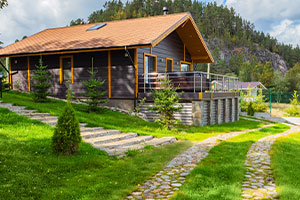
120 Twin Oaks Drive
Jackson, OH. 45640
740-577-3450
Jackson, OH has nearby choices for addiction treatment including: 1 medicare program, 1 inpatient drug rehab, 2 drug rehabs that take private insurance like UnitedHealthCare, 2 detox centers, 4 outpatient treatment programs.

For help finding an addiction treatment center, Call us!
All calls are 100% confidential and free
1-877-882-9275




Field of Hope Community Campus Inc is 18.9 miles from Jackson, Ohio
Field of Hope Community Campus Inc is dedicated to helping the community of Jackson, OH. and the surrounding areas to getting their life back after struggling with substance abuse. As such, Field of Hope Community Campus Inc offers a wide assortment of services in line with their belief of treatments that work - including outpatient detoxification programs, short term addiction treatment centers, outpatient substance abuse treatment services, long term treatment facilities, inpatient rehab centers and others.
Field of Hope Community Campus Inc also believes that it is vital that every individual gets uniquely tailored treatment to ensure their recovery. This is why it is specialized in a wide variety of treatment methods, including individual psychotherapy, cognitive/behavior therapy, relapse prevention, trauma therapy, group therapy, trauma-related counseling and others. Additionally, Field of Hope Community Campus Inc is specialized in co-occurring mental and substance abuse disorders, residential beds for client's children, treatment for spanish-speaking clients, substance abuse education, legal advocacy, persons with post-traumatic stress disorder, as well as other special programs. In general, the treatment methods that this addiction treatment center uses aims to provide positive and lasting change for each individual.
Lastly, Field of Hope Community Campus Inc accepts private insurance, private pay, payment assistance, medicaid, medicare, county or local government funds, state education funds and more.


Pike County Recovery Council is 19.5 miles from Jackson, Ohio
Pike County Recovery Council is devoted to assisting the residents of Jackson and the surrounding areas to getting their sobriety back after battling with alcohol and drug addiction. Pike County Recovery Council provides a wide array of services in line with their philosophy of treatments that work - including detox facilities, short term addiction treatment programs, outpatient day treatment, long term rehabs, inpatient drug addiction treatment and others.
Pike County Recovery Council also feels that it is important that every person gets uniquely tailored treatment to ensure their recovery. This is why it is specialized in a wide variety of treatment modalities, including individual psychotherapy, cognitive/behavior therapy, relapse prevention, trauma therapy, group therapy, trauma-related counseling and others. In addition, Pike County Recovery Council is specialized in co-occurring mental and substance abuse disorders, residential beds for client's children, treatment for spanish-speaking clients, substance abuse education, legal advocacy, persons with post-traumatic stress disorder, as well as other special programs. In general, the treatment services that this drug and alcohol treatment facility uses can provide the level of stability that is as permanent as it is lasting.
Lastly, Pike County Recovery Council accepts private medical insurance, private pay, payment assistance, medicare, medicaid, county or local government funds, state education funds and more.
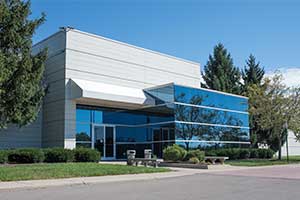
STEPS of Recovery is 24.1 miles from Jackson, OH
STEPS of Recovery is devoted to assisting the community of Jackson, Ohio and the surrounding areas to getting their sobriety back after battling with alcohol and drug addiction. STEPS of Recovery offers a wide range of services in line with their philosophy of treatments that work - including detox centers, short term treatment centers, outpatient substance abuse counseling, long term drug and alcohol rehab facilities, inpatient drug and alcohol rehab facilities and others.
STEPS of Recovery also believes that it is necessary that every individual client gets highly personalized services to ensure their recovery. This is why it is specialized in a wide variety of treatment modalities, including individual psychotherapy, cognitive/behavior therapy, relapse prevention, trauma therapy, group therapy, trauma-related counseling and others. In addition, STEPS of Recovery is specialized in co-occurring mental and substance abuse disorders, residential beds for client's children, treatment for spanish-speaking clients, substance abuse education, legal advocacy, persons with post-traumatic stress disorder, as well as other special programs. In general, the treatment methods that this drug and alcohol rehab uses strive to achieve true and lasting sobriety for each of its clients.
Lastly, STEPS of Recovery accepts private insurance, private pay, payment assistance, medicaid, medicare, county or local government funds, state education funds and more.
When addressing a family member's addiction to drugs, it is essential to approach the conversation with empathy, understanding, and a non-judgmental attitude. Here are some steps to consider when discussing this sensitive topic:
SMART Recovery (Self-Management and Recovery Training) is a global community of mutual-support groups that provide a structured, scientifically grounded program to help people manage their recovery from any type of addictive behavior, including substance abuse and behavioral addictions.
SMART Recovery's approach is different from other recovery programs like Alcoholics Anonymous or Narcotics Anonymous, which are based on the 12-step model. Instead of focusing on the concept of "powerlessness" over addiction, SMART Recovery emphasizes self-empowerment and self-reliance. It promotes the ability of individuals to change their own thoughts and behaviors to overcome addiction.
The SMART Recovery program is based on principles of cognitive-behavioral therapy (CBT) and motivational interviewing. It is designed around a 4-point program:
SMART Recovery meetings, both in-person and online, are facilitated by trained volunteers and are free to attend, though donations are appreciated. The program also offers a variety of tools and techniques for self-empowerment and self-directed change, available in various formats such as handbooks, worksheets, and online resources.
National Non Profit Helpline - 1-877-882-9275
Our National Non Profit Helpline is a 24/7, 365-day-a-year treatment referral and information service for individuals and families faced with mental and/or substance use disorders.
All calls are strictly confidential
Our service provides referrals to licensed treatment facilities, support groups, and community-based organizations. You don't have to struggle alone with addiction. Help is just a phone call away. Call 1-877-882-9275 now to get the help you need and deserve.



© Copyright 1998 - 2022 All Rights Reserved. Content is protected under copyright laws, do not use content without written permission.
