Sumner Mental Health Center

1601 West 16th Street
Wellington, KS. 67152
620-326-7448 x117
Sumner Mental Health Center is 10.6 miles from Belle Plaine, Kansas
Belle Plaine, KS has nearby choices for addiction treatment including: 1 medicare program, 0 inpatient rehab center, 2 drug rehabs that take private insurance like UnitedHealthCare, 1 detox center, 4 outpatient treatment programs.

For help finding an addiction treatment center, Call us!
All calls are 100% confidential and free
1-877-882-9275


Sumner Mental Health Center is 10.6 miles from Belle Plaine, Kansas

A New Dimension Inc is 18.8 miles from Belle Plaine, Kansas
A New Dimension Inc has long been dedicated to helping its clients recovery after a period of substance abuse. It has been doing this within Belle Plaine, KS. and in the surrounding communities for quite some time. Today, A New Dimension Inc provides services like brief intervention approach, couple/family therapy, contingency management/motivational incentive, anger management, relapse prevention, group therapy - all of which represent their treatment philosophy. In addition to, A New Dimension Inc believes that clients need specially tailored treatment programs to achieve recovery. This is why it offers various programs, like veterans, active duty military, seniors or older adults, child care for clients children, transgender or (LGBT) clients, housing services - among other services listed in the following sections.
In the same way, A New Dimension Inc offers inpatient drug rehab programs, outpatient day treatment, long term drug rehab facilities, short term drug rehab centers, inpatient detox centers and others. Further, A New Dimension Inc has relapse prevention programs that are useful in helping clients after they complete treatment. This addiction treatment center also uses treatment types that can help you create both lasting and permanent stability.
Finally, A New Dimension Inc accepts private medical insurance, cash or self-payment, sliding fee scale, medicare, medicaid, state education funds, other state funds, as well as others.
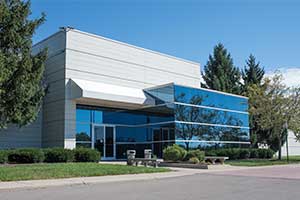
Changing Habits LLC is 19.6 miles from Belle Plaine, Kansas
Changing Habits LLC has long been dedicated to helping its clients recovery after a period of abusing drugs and alcohol. It has been doing this within Belle Plaine and in the surrounding areas for many years now. Today, Changing Habits LLC provides services like brief intervention approach, couple/family therapy, contingency management/motivational incentive, anger management, relapse prevention, group therapy - all of which represent their treatment philosophy. Changing Habits LLC believes that clients need individual focus and treatment for them to find full recovery treatment. This is why it offers several programs, like veterans, active duty military, seniors or older adults, child care for clients children, transgender or (LGBT) clients, housing services - among other services listed in the following sections.
Changing Habits LLC offers inpatient rehab facilities, outpatient day treatment, long term drug rehab facilities, short term rehab facilities, outpatient detoxification centers and others. Further, Changing Habits LLC has relapse prevention programs that are designed to help clients maintain their sobriety. This addiction treatment center also uses treatment types that can help you achieve and maintain a full recovery.
Finally, Changing Habits LLC accepts private health insurance, private pay, sliding fee scale, medicaid, medicare, state education funds, other state funds, as well as others.


ABC Health Group is 19.7 miles from Belle Plaine, Kansas
ABC Health Group has long been dedicated to assisting its clients recovery after a period of alcohol and drug addiction. It has been doing this within Belle Plaine, Kansas and in the surrounding communities for many years now. ABC Health Group offers services like brief intervention approach, couple/family therapy, contingency management/motivational incentive, anger management, relapse prevention, group therapy - which are all in line with their philosophy of the treatments and rehabilitation programs that work. Additionally, ABC Health Group believes that clients need individual focus and treatment for them to find full recovery treatment. This is why it offers various programs, like veterans, active duty military, seniors or older adults, child care for clients children, transgender or (LGBT) clients, housing services - among other services listed in the following sections.
ABC Health Group offers inpatient addiction treatment centers, outpatient day treatment, long term drug and alcohol rehab programs, short term rehab facilities, outpatient detoxification facilities and others. ABC Health Group has relapse prevention programs that are designed to help clients maintain their sobriety. This addiction treatment program also uses treatment methods that can help you achieve and maintain a full recovery.
Finally, ABC Health Group accepts private insurance, private pay, sliding fee scale, medicaid, medicare, state education funds, other state funds, as well as others.
National Non Profit Helpline - 1-877-882-9275
Our National Non Profit Helpline is a 24/7, 365-day-a-year treatment referral and information service for individuals and families faced with mental and/or substance use disorders.
All calls are strictly confidential
Our service provides referrals to licensed treatment facilities, support groups, and community-based organizations. You don't have to struggle alone with addiction. Help is just a phone call away. Call 1-877-882-9275 now to get the help you need and deserve.



© Copyright 1998 - 2022 All Rights Reserved. Content is protected under copyright laws, do not use content without written permission.
