Alcohol and Drug Rehabilitation Programs in Liberal, KS
Liberal, KS has nearby choices for addiction treatment including: 3 medicaid treatment centers, 2 inpatient rehab centers, 3 drug rehabs that take private insurance like UnitedHealthCare, 1 drug and alcohol detox, 4 outpatient rehabs.
Get Help - Find a Rehab Center Today
Popular Searches for Drug and Alcohol Rehab in Liberal, Kansas:
Skip To Rehab Listing
Drug and Alcohol Rehabilitation Service Settings and Recovery Methods in Liberal
Those in Liberal who have an alcohol and drug use problem have many local rehabilitation programs from which they can choose including: long term rehab centers, inpatient drug addiction treatment, intensive outpatient treatment, detoxification centers, short term drug abuse treatment
In addition, people can pick from a range of methods for their recovery in order to receive the most beneficial care, such as: group therapy, brief intervention approach, substance abuse counseling approach, dialectical behavior therapy, activity therapy, group therapy
Special Programs for Substance Abuse Treatment
Drug and alcohol rehab programs in Liberal can also handle a patient's specific drug and alcohol treatment requirements through a variety of special programs. These programs can consist of the following: active duty military, persons with post-traumatic stress disorder, co-occurring mental and substance abuse disorders, legal advocacy, aftercare/continuing care, transgender or (LGBT) clients
Treatment Payment Options
The cost of alcohol and drug treatment can be a concern for many patients and their loved ones. That is why local drug and alcohol treatment programs offer various payment options that cater to the varying financial situations of clients. Here are some of the forms of payment accepted by these programs: cash or self-payment, private medical insurance, sliding fee scale, payment assistance, other state funds, state education funds
On many occasions, these programs will work with clients to identify the best means of payment for their needs.
Individuals who struggle with alcohol and drug abuse can receive effective care in Liberal, KS. through a wide variety of treatment centers, treatment approaches, specialized programs, and payment options. The level of choice makes drug and alcohol treatment achievable for a great deal of local people in need.
Dr. Gina M Jansheski, M.D.

Dr. Po-Chang Hsu, M.D., M.S.

Renee Warmbrodt, RN, MSN, CPNP-PC

Substance Abuse Treatment Centers Serving the Liberal, Kansas Area:
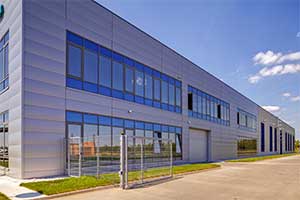 415 North Washington Street
Liberal, KS. 67901
620-626-3284
Cimmarron Basin Community Corrections provides addiction treatment and rehab services such as long term rehab facilities, inpatient drug treatment, intensive outpatient treatment, detox facilities, short term treatment programs, and others to people living in Liberal and its surrounding areas so that they conquer their drug and alcohol abuse disorders and achieve full sobriety. It has services - such as group therapy, brief intervention approach, substance abuse counseling approach, dialectical behavior therapy, activity therapy, group therapy, and others - which follow its philosophy of the programs that work most effectively. This is because Cimmarron Basin Community Corrections believes that full sobriety can only be achieved through highly personalized care.
In addition, the substance abuse treatment center specializes in many other programs - like active duty military, persons with post-traumatic stress disorder, co-occurring mental and substance abuse disorders, legal advocacy, aftercare/continuing care, transgender or (LGBT) clients and more - as well as many other treatment methods listed below. Further, this alcohol and drug rehabilitation program has aftercare plans that work in line with its treatment modalities to make sure that clients achieve full, lasting, and permanent abstinence and sobriety from drugs and alcohol.
Lastly, Cimmarron Basin Community Corrections accepts private pay, private insurance, sliding fee scale, payment assistance, other state funds, state education funds, and more.
 529 North New York Street
Liberal, KS. 67901
620-624-2246
City On a Hill provides addiction treatment and rehab services such as long term rehab facilities, inpatient drug and alcohol rehab programs, outpatient day treatment, outpatient detoxification programs, short term rehab programs, and others to people living in Liberal and its surrounding areas so that they overcome their alcohol and drug abuse issues and achieve full sobriety. It has services - such as group therapy, brief intervention approach, substance abuse counseling approach, dialectical behavior therapy, activity therapy, group therapy, and others - which follow its philosophy of the programs that work most effectively. This is because City On a Hill knows that full recovery can only be achieved through highly individualized care.
Further, the alcohol and drug treatment program specializes in many other programs - like active duty military, persons with post-traumatic stress disorder, co-occurring mental and substance abuse disorders, legal advocacy, aftercare/continuing care, transgender or (LGBT) clients and more - as well as many other treatment modalities listed below. Further, this addiction treatment center has aftercare plans that work in line with its treatment methods to ensure that clients maintain full, lasting, and permanent abstinence and sobriety from alcohol and drugs.
Lastly, City On a Hill accepts cash or self-payment, private health insurance, sliding fee scale, payment assistance, other state funds, state education funds, and more.
City On a Hill
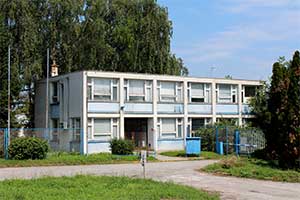 116 1/2 Chestnut Street
Garden City, KS. 67846
620-276-0840
City On a Hill is 60 miles from Liberal, Kansas
City On a Hill provides recovery care and rehabilitation services such as long term rehab programs, inpatient drug and alcohol rehab facilities, outpatient day treatment, detox programs, short term drug and alcohol rehab facilities, and others to people living in Liberal and its surrounding areas so that they overcome their drug and alcohol abuse disorders and achieve full recovery. It has services - such as group therapy, brief intervention approach, substance abuse counseling approach, dialectical behavior therapy, activity therapy, group therapy, and others - which follow its philosophy of the programs that work most effectively. This is because City On a Hill believes that complete recovery can only be achieved through highly individualized care.
In addition, the drug and alcohol rehab center specializes in many other programs - like active duty military, persons with post-traumatic stress disorder, co-occurring mental and substance abuse disorders, legal advocacy, aftercare/continuing care, transgender or (LGBT) clients and more - as well as many other treatment modalities listed below. Further, this drug and alcohol treatment facility has aftercare plans that work in line with its treatment methods to ensure that individuals achieve permanent, full, and lasting sobriety, stability, and abstinence from drugs and alcohol.
Lastly, City On a Hill accepts cash or self-payment, private health insurance, sliding fee scale, payment assistance, other state funds, state education funds, and more.
New Chance Inc
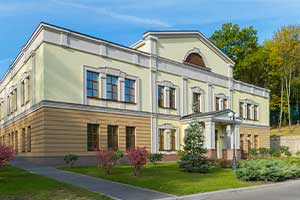 2500 East Wyatt Earp Boulevard
Dodge City, KS. 67801
620-225-0476
New Chance Inc is 67.9 miles from Liberal, Kansas
New Chance Inc provides recovery care and rehab services such as long term drug rehab centers, inpatient drug rehab programs, outpatient substance abuse counseling, detoxification programs, short term drug and alcohol rehab programs, and others to people living in Liberal, KS. and within the surrounding neighborhoods so that they overcome their alcohol and drug abuse issues and achieve full recovery. It has services - such as group therapy, brief intervention approach, substance abuse counseling approach, dialectical behavior therapy, activity therapy, group therapy, and others - which follow its philosophy of the programs that work most effectively. This is because New Chance Inc knows that complete sobriety can only be achieved through highly personalized care.
In addition, the alcohol and drug rehab center specializes in many other programs - like active duty military, persons with post-traumatic stress disorder, co-occurring mental and substance abuse disorders, legal advocacy, aftercare/continuing care, transgender or (LGBT) clients and more - as well as many other treatment methods that you can find listed below. Further, this drug and alcohol rehab center has aftercare plans that work in line with its treatment methods to make sure that individuals achieve permanent, full, and lasting sobriety, stability, and abstinence from drugs and alcohol.
Lastly, New Chance Inc accepts private pay, private health insurance, sliding fee scale, payment assistance, other state funds, state education funds, and more.
Find Drug and Alcohol Treatment Centers in or around the following Kansas cities:
Top Cities For Recovery:
Commonly Asked Questions about Addiction and Treatment
How does a person become addicted to drugs and alcohol?
Addiction to drugs and alcohol is a complex process involving a combination of genetic, environmental, psychological, and social factors. While not everyone who uses drugs or alcohol will become addicted, certain factors can increase an individual's vulnerability to addiction. Some key factors contributing to addiction include:
- Genetic predisposition: Genetics play a significant role in addiction, accounting for an estimated 40-60% of an individual's vulnerability. People with a family history of addiction may be more susceptible to developing a substance use disorder.
- Environmental influences: A person's environment can significantly impact their likelihood of developing an addiction. Factors such as exposure to drugs or alcohol, peer pressure, low socioeconomic status, and lack of parental supervision can contribute to substance use and potential addiction.
- Early initiation: Research indicates that individuals who begin using drugs or alcohol at an early age are at a higher risk of developing addiction later in life. Early exposure to substances can disrupt normal brain development, making it more challenging to resist addictive behaviors.
- Psychological factors: Mental health disorders, such as depression, anxiety, or trauma-related disorders, can increase the risk of addiction. Individuals may turn to drugs or alcohol as a coping mechanism for managing emotional distress, which can lead to dependence and addiction.
- Social factors: Social isolation, lack of support networks, or unhealthy relationships can contribute to addiction. Individuals may use drugs or alcohol to fill a void or establish connections with others, increasing their risk of developing a substance use disorder.
- Chronic use: Repeated exposure to drugs or alcohol can lead to physiological changes in the brain's reward and pleasure centers. Over time, these changes can result in the development of tolerance, dependence, and ultimately addiction.
- Route of administration: The method by which a substance is consumed can impact the likelihood of addiction. Faster-acting routes of administration, such as injecting, smoking, or snorting, can lead to a more rapid onset of pleasurable effects, increasing the risk of addiction.
Does a drug abuser lose empathy for others?
Chronic drug abuse can indeed affect an individual's ability to empathize with others, but it's important to note that this doesn't occur in every case and can depend on a variety of factors, including the specific substance used, the duration and severity of the abuse, and the individual's personal characteristics.
Drugs alter the brain's structure and function, including areas associated with empathy and social cognition, such as the prefrontal cortex and the amygdala. Over time, these changes can lead to decreased empathy, making it harder for individuals to understand or share the feelings of others.
Additionally, the lifestyle associated with chronic drug abuse can also contribute to a loss of empathy. As individuals become more focused on obtaining and using drugs, they may start to neglect their relationships and responsibilities, which can further erode their ability to connect with others on an emotional level.
Furthermore, individuals with substance use disorders often experience a range of negative emotions, such as guilt, shame, anxiety, and depression, which can make it harder for them to empathize with others. They might also become defensive or dismissive of others' feelings as a way of protecting themselves from these negative emotions.
However, it's important to note that these changes are not necessarily permanent. Many people who recover from substance use disorders are able to rebuild their capacity for empathy with time, treatment, and effort. Cognitive-behavioral therapies, mindfulness practices, and other therapeutic approaches can help individuals to improve their emotional understanding and empathy.
Top reasons that drug and alcohol abusers in recovery relapse?
Relapse is a common part of the recovery journey for many individuals struggling with substance abuse. It's important to note that a relapse doesn't mean treatment has failed; rather, it indicates that the treatment plan needs to be revisited or adjusted. Here are some of the top reasons why individuals in recovery might relapse:
- Stress: High levels of stress can trigger a return to substance use as a coping mechanism.
- Lack of Support System: A strong support system is crucial in maintaining sobriety. Lack of emotional support and understanding from friends and family can contribute to relapse.
- Triggers and Temptations: Being in environments or around people associated with past substance use can act as triggers, leading to a desire to use again.
- Unresolved Psychological Issues: Mental health conditions, such as depression, anxiety, or trauma, can lead to a relapse if they're not effectively treated.
- Overconfidence: Some individuals may become overconfident and believe they can control their substance use without professional help, leading to a relapse.
- Poor Self-Care: Neglecting physical health, skipping meals, lack of sleep, and not taking care of oneself in general can contribute to a relapse.
- Incomplete Treatment: Leaving a treatment program before it is completed can leave individuals ill-prepared to resist the urge to use substances.
- Not Having a Plan: If an individual does not have a clear plan for dealing with cravings or triggers, they are more likely to relapse when confronted with these challenges.
- Challenging Emotions: Negative emotions like anger, sadness, loneliness, and frustration can sometimes lead to a desire to return to substance use as a way to escape.
- Celebrations or Positive Events: Surprisingly, positive events or celebrations can also trigger a relapse. The association of substance use with celebration or reward can lead to the temptation to use.
National Non Profit Helpline - 1-877-882-9275
Our National Non Profit Helpline is a 24/7, 365-day-a-year treatment referral and information service for individuals and families faced with mental and/or substance use disorders.
All calls are strictly confidential
Our service provides referrals to licensed treatment facilities, support groups, and community-based organizations. You don't have to struggle alone with addiction. Help is just a phone call away. Call 1-877-882-9275 now to get the help you need and deserve.
1-877-882-9275




