Drug and Alcohol Rehab Programs in Leawood, Kansas
Leawood, KS has nearby treatment options including: 2 medicaid programs, 0 inpatient drug rehab, 2 drug rehabs that take PPO insurance like Cigna, 0 drug detox, 4 outpatient rehabs.
Get Help - Find a Rehab Center Today
Popular Searches for Drug and Alcohol Rehab in Leawood, Kansas:
Skip To Rehab Listing
Drug and Alcohol Treatment Settings and Approaches in Leawood, KS.
Alcohol and drug dependency affects people of all genders, ages and walks of life. The drug and alcohol rehabs and resources, such as outpatient detoxification facilities, outpatient day treatment, long term addiction treatment centers, short term drug and alcohol rehab programs, inpatient rehab programs, are intended to offer excellent care to anyone who has a problem with addiction, regardless of their personal circumstance.
Addiction treatment facilities in the Leawood area are not all the same. They offer a variety of approaches, like substance abuse counseling approach, group therapy, 12-step facilitation approach, brief intervention approach, couple/family therapy, activity therapy, that enable clients to confront their drug and alcohol abuse in the way that is most effective for them.
Special Services for Addiction Treatment
Even with the prevalence of addiction, each individual who struggles with alcohol and drug abuse issues has their own specific circumstances that require an individualized approach. That is why the treatment programs in Leawood offer a number of special resources like persons with post-traumatic stress disorder, housing services, seniors or older adults, persons with eating disorders, co-occurring mental and substance abuse disorders, aftercare/continuing care.
Treatment Payment Types
Patients and their loved ones should not postpone treatment because of concerns about money. Rehabilitation programs offer various options for payment, including the following: private pay, private medical insurance, payment assistance, military insurance, access to recovery (atr) voucher, state welfare or child and family services funds. Addiction treatment centers can direct patients and their loved ones toward the payment options that will put recovery within reach.
Those who struggle with alcohol and drug addiction should not wait to access the many resources available in Leawood, Kansas.
Dr. Gina M Jansheski, M.D.

Dr. Po-Chang Hsu, M.D., M.S.

Renee Warmbrodt, RN, MSN, CPNP-PC

Drug and Alcohol Treatment Facilities Serving the Leawood, Kansas Area:
 11100 Ash Street
Leawood, KS. 66211
913-648-6940
If the circumstances of your life are overwhelming and seem impossible to overcome it may be time to seek help from a professional counselor. The foundation between you and a professional therapist should be based on trust and building a honest connection between you and a therapist is essential for effective treatment. Our therapists focus first on establishing this trust and connection and then begin to help you discover and strengthen your own abilities in coping with life's challenges.
Doolittle and Harrington Healthcare
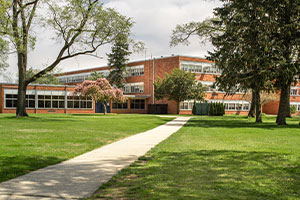 10560 Barkley Street
Overland Park, KS. 66212
913-601-5269
Doolittle and Harrington Healthcare is 2 miles from Leawood, Kansas
Doolittle and Harrington Healthcare LLC for substance abuse counseling and treatment services.
Challenges Inc Overland Park
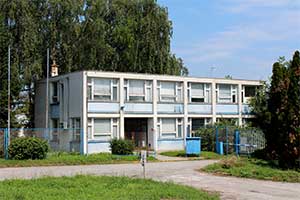 10540 Barkley Street
Overland Park, KS. 66212
913-381-3585
Challenges Inc is 2 miles from Leawood, Kansas
Challenges Inc has been dedicating its services and programs to helping individuals who are battling drug and alcohol addiction in Leawood and within the surrounding area.
Challenges Inc offers a wide variety of treatment and rehabilitation programs, including outpatient detoxification programs, intensive outpatient treatment, long term drug rehab programs, short term addiction treatment facilities, inpatient drug and alcohol rehab facilities and more. Challenges Inc also believes that it is important that it offers unique services to ensure that its clients get the results that they want. This is why Challenges Inc is specialized in substance abuse counseling approach, group therapy, 12-step facilitation approach, brief intervention approach, couple/family therapy, activity therapy, among other programs.
Challenges Inc also provides persons with post-traumatic stress disorder, housing services, seniors or older adults, persons with eating disorders, co-occurring mental and substance abuse disorders, aftercare/continuing care, and offers some of the best continued recovery programs - all of which are necessary and helpful to its clients. This addiction treatment facility also uses treatment modalities that can help you achieve the best possible outcome.
Challenges Inc also accepts the following forms of payment - cash or self-payment, private health insurance, payment assistance, military insurance, access to recovery (atr) voucher, state welfare or child and family services funds and more.
Agape Christian Counseling
 10500 Barkley Street
Overland Park, KS. 66212
913-328-2998
Agape Christian Counseling is 2 miles from Leawood, KS
Agape Christian Counseling has been dedicating its treatment services and programs to helping people who are struggling with alcohol and drug addiction in Leawood, KS. and within the surrounding area.
Agape Christian Counseling provides a wide range of treatment and rehabilitation programs, including detox programs, outpatient day treatment, long term drug abuse treatment, short term drug and alcohol rehab facilities, inpatient drug rehab centers and more. Agape Christian Counseling also believes that it is vital that it provides unique services to ensure that its clients get the results that they require. This is why Agape Christian Counseling is specialized in substance abuse counseling approach, group therapy, 12-step facilitation approach, brief intervention approach, couple/family therapy, activity therapy, among other programs.
Agape Christian Counseling also provides persons with post-traumatic stress disorder, housing services, seniors or older adults, persons with eating disorders, co-occurring mental and substance abuse disorders, aftercare/continuing care, and offers some of the best aftercare programs - all of which are necessary and helpful to its clients. This alcohol and drug rehab also uses treatment modalities that can help you achieve full stability both in the long term and permanently.
Agape Christian Counseling also accepts the following forms of payment - private pay, private medical insurance, payment assistance, military insurance, access to recovery (atr) voucher, state welfare or child and family services funds and more.
Find Drug and Alcohol Treatment Centers in or around the following Kansas cities:
Top Cities For Recovery:
Commonly Asked Questions about Addiction and Treatment
How to face a drug abuser as a family?
Facing a family member who is a drug abuser is a challenging and emotional process. The ultimate goal should be to encourage the individual to seek help. Here are some steps that can be taken:
- Educate Yourself: Understanding addiction is key. It's a complex disease that affects both the brain and behavior. Learning about the nature of addiction, its causes, its effects, and the process of recovery will equip you with the necessary knowledge to approach your loved one.
- Create a Safe Space for Dialogue: Organize a time to sit down and discuss your concerns. The environment should be non-judgmental and non-confrontational to prevent the person from feeling attacked or defensive.
- Express Concern and Love: Start the conversation expressing your love and concern. Be honest about your feelings and observations, providing specific examples of behaviors that have worried you.
- Use "I" Statements: Instead of accusing or blaming, use "I" statements to express how you feel. For instance, instead of saying, "You're ruining your life," say, "I feel worried and scared when I see you harming yourself."
- Encourage Them to Seek Help: Encourage your loved one to seek professional help. Offer to assist them in finding resources, such as therapists, counselors, rehabilitation centers, or support groups.
- Consider an Intervention: If direct conversation doesn't work, consider planning a professional intervention. An intervention involves a gathering of close friends and family who express concern and urge the individual to get help, guided by a professional interventionist.
- Set Boundaries: It's important to protect your own well-being. This can involve setting boundaries regarding what behaviors you will not tolerate. Be firm about these boundaries and the consequences of crossing them.
- Seek Support for Yourself: Coping with a loved one's addiction can be emotionally taxing. Don't neglect your own needs. Seek support from therapists, counselors, or support groups designed for family members of people struggling with substance abuse.
What percentages of interventions for drug and alcohol addiction are successful?
Quantifying the exact success rate of interventions for drug and alcohol addiction can be challenging due to the complex nature of addiction, variability in intervention methods and follow-up, and differences in how "success" is defined. However, studies suggest that interventions can indeed be effective in encouraging individuals to seek help for their substance use disorders.
It's important to note that the term "intervention" covers a wide range of strategies aimed at encouraging individuals to seek treatment. These can include formal interventions organized by a professional interventionist, interventions conducted by family and friends, or interventions carried out by healthcare providers.
The success of an intervention can depend on numerous factors, including:
The specific nature of the person's addiction: The type of substance used, the severity of the addiction, and the presence of co-occurring mental health disorders can all influence the effectiveness of an intervention.
The type of intervention used: Some types of interventions may be more effective than others, depending on the individual and their specific circumstances.
The involvement of a professional: Interventions led by professionals who have experience dealing with addiction can potentially have higher success rates because they have the skills and knowledge to manage complex dynamics that can arise.
The readiness of the individual: An intervention may be more successful if the person is already contemplating change or recognizes they have a problem.
While it's difficult to provide a specific success rate, it's important to understand that even if an intervention doesn't immediately result in the person seeking treatment, it can still plant a seed that leads to future change. It can increase the person's awareness of their problem and their impact on others, which can prompt them to consider treatment at a later date.
Remember, it's crucial to approach interventions with empathy, respect, and understanding, as addiction is a complex disease that often requires ongoing support and care. If you're considering an intervention, it may be helpful to consult with a healthcare provider or an addiction professional to determine the best approach.
How does drug addiction affect the family unit?
Drug addiction can have far-reaching consequences not only for the individual struggling with substance use, but also for their family unit. Family members may experience various emotional, social, and financial challenges as a result of a loved one's addiction. Some of the ways drug addiction can impact the family unit include:
- Emotional strain: Family members may experience a range of emotions, such as fear, anger, frustration, guilt, and sadness, as they grapple with their loved one's addiction. These emotions can be overwhelming and may lead to mental health issues, such as anxiety or depression, among family members.
- Family dynamics: Drug addiction can alter family dynamics, leading to increased conflict, mistrust, and communication breakdowns. This may result in a dysfunctional family environment and strained relationships among family members.
- Role changes: Family members may be forced to take on new roles to compensate for the challenges brought on by the addiction. For example, a spouse or older child may assume additional responsibilities for managing the household, providing financial support, or caring for younger siblings.
- Neglect of responsibilities: The individual struggling with addiction may neglect their responsibilities as a parent, spouse, or sibling, leaving other family members to bear the burden of these responsibilities.
- Financial strain: The costs associated with obtaining drugs and potential job loss due to addiction can place a significant financial burden on the family. This may result in debt, inability to meet basic needs, or even homelessness.
- Legal issues: Family members may face legal problems as a result of their loved one's drug-related activities, such as theft or drug possession. Legal issues can create additional financial strain and emotional stress for the family.
- Safety concerns: Drug addiction can expose family members to unsafe situations, such as violence, drug-related criminal activities, or the presence of dangerous substances within the home.
- Impact on children: Children in families affected by drug addiction may experience emotional, behavioral, and developmental challenges. They may be at greater risk for academic difficulties, mental health disorders, and substance abuse themselves later in life.
- Social isolation: Family members may become socially isolated due to stigma, shame, or fear associated with their loved one's addiction. This can lead to a loss of support networks and further emotional strain.
National Non Profit Helpline - 1-877-882-9275
Our National Non Profit Helpline is a 24/7, 365-day-a-year treatment referral and information service for individuals and families faced with mental and/or substance use disorders.
All calls are strictly confidential
Our service provides referrals to licensed treatment facilities, support groups, and community-based organizations. You don't have to struggle alone with addiction. Help is just a phone call away. Call 1-877-882-9275 now to get the help you need and deserve.
1-877-882-9275




