
406 North 3rd Street
Marysville, KS. 66508
785-562-3907
Marysville, KS has nearby treatment options including: 4 medicaid treatment centers, 0 inpatient treatment center, 4 drug rehabs that take private insurance like Cigna, 0 drug and alcohol detox, 4 outpatient treatment programs.

For help finding an addiction treatment center, Call us!
All calls are 100% confidential and free
1-877-882-9275




Nebraska Mental Health Centers is 28.9 miles from Marysville, KS
Nebraska Mental Health Centers is dedicated to assisting anyone with an alcohol or drug use problem in Marysville, KS. and its surrounding areas find complete recovery. It offers several programs - such as long term addiction treatment programs, inpatient treatment programs, short term treatment facilities, outpatient counseling, outpatient detoxification facilities and others - in line with its philosophy of the addiction care and rehabilitation methods that work in recovery. This alcohol and drug rehab center also believes that people need individual treatment to be able to stop abusing drugs and alcohol.
As such, Nebraska Mental Health Centers has specialized in couple/family therapy, vocational rehabilitation services, matrix model, trauma therapy, individual psychotherapy, anger management and more. At the same time, it accepts patients who are persons with serious mental illness, social skills development, active duty military, self-help groups, legal advocacy, treatment for spanish-speaking clients, and others. This alcohol and drug rehabilitation program uses treatment methods that can assist clients to achieve lasting and permanent sobriety from the substances of abuse that they have used in the past.
In terms of payment, clients in Nebraska Mental Health Centers can pay for services using private health insurance, private pay, medicaid, medicare, payment assistance, county or local government funds, other state funds and others.

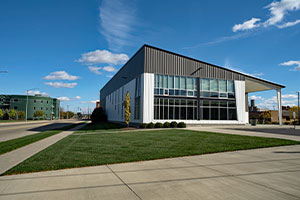
Blue Valley Behavioral Health is 29.7 miles from Marysville, KS
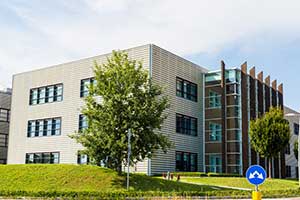
Kerrs Counseling Concordia is 58.1 miles from Marysville, Kansas
Kerrs Counseling Concordia is dedicated to helping anyone with a drug or alcohol use problem in the Marysville area find full recovery. It provides several programs - such as long term drug addiction treatment, inpatient treatment facilities, short term rehab programs, outpatient substance abuse counseling, detox facilities and others - in keeping with its belief of the addiction care and rehabilitation methods that are effective in recovery. This substance abuse treatment center also believes that clients need individual treatment to be able to stop abusing drugs and alcohol.
As such, Kerrs Counseling Concordia specializes in couple/family therapy, vocational rehabilitation services, matrix model, trauma therapy, individual psychotherapy, anger management and more. At the same time, it accepts patients who are persons with serious mental illness, social skills development, active duty military, self-help groups, legal advocacy, treatment for spanish-speaking clients, and others. This drug and alcohol rehab center uses treatment methods that can assist patients to maintain sobriety and abstinence from the substances of abuse that they have used in the past.
In terms of payment, clients in Kerrs Counseling Concordia can pay for services using private insurance, cash or self-payment, medicaid, medicare, payment assistance, county or local government funds, other state funds and others.
Detoxification: The first step in treating addiction is often detoxification, which involves clearing the body of the substance while managing withdrawal symptoms. This process should be supervised by medical professionals in a controlled environment to ensure safety and comfort.
Medication-assisted treatment (MAT): MAT combines behavioral therapy with medications to address the physical aspects of addiction. For example, medications such as methadone, buprenorphine, and naltrexone can be used to treat opioid addiction, while disulfiram, acamprosate, and naltrexone may be prescribed for alcohol addiction.
Inpatient treatment: Inpatient or residential treatment programs provide a structured environment with 24-hour care and support. These programs typically offer a combination of individual therapy, group therapy, and educational sessions to address the various aspects of addiction and recovery.
Outpatient treatment: Outpatient programs allow individuals to receive treatment while maintaining their daily responsibilities, such as work or school. These programs typically involve regular therapy sessions, support groups, and may also include medication management.
Cognitive-behavioral therapy (CBT): CBT is a widely used therapy that helps individuals identify and change unhealthy thought patterns and behaviors related to substance use. CBT teaches coping skills and strategies for managing cravings and preventing relapse.
Motivational interviewing: Motivational interviewing is a client-centered approach that helps individuals explore their ambivalence about change and strengthen their motivation to engage in the recovery process.
Contingency management: Contingency management uses positive reinforcement, such as rewards or incentives, to encourage abstinence from substances and promote healthy behaviors.
Family therapy: Family therapy involves working with the individual and their family members to address relationship issues and improve communication. This approach recognizes the role of the family in supporting recovery and aims to create a healthier family dynamic.
Support groups: Participation in support groups, such as Alcoholics Anonymous (AA) or Narcotics Anonymous (NA), can provide peer support and encouragement throughout the recovery process. These groups offer a community of individuals with similar experiences who can share their stories and coping strategies.
Aftercare and relapse prevention: Long-term success in recovery often involves ongoing aftercare, which may include regular therapy sessions, support group meetings, and development of a relapse prevention plan. This plan helps individuals identify potential triggers and develop strategies to cope with cravings and high-risk situations.
SMART Recovery (Self-Management and Recovery Training) is a global community of mutual-support groups that provide a structured, scientifically grounded program to help people manage their recovery from any type of addictive behavior, including substance abuse and behavioral addictions.
SMART Recovery's approach is different from other recovery programs like Alcoholics Anonymous or Narcotics Anonymous, which are based on the 12-step model. Instead of focusing on the concept of "powerlessness" over addiction, SMART Recovery emphasizes self-empowerment and self-reliance. It promotes the ability of individuals to change their own thoughts and behaviors to overcome addiction.
The SMART Recovery program is based on principles of cognitive-behavioral therapy (CBT) and motivational interviewing. It is designed around a 4-point program:
SMART Recovery meetings, both in-person and online, are facilitated by trained volunteers and are free to attend, though donations are appreciated. The program also offers a variety of tools and techniques for self-empowerment and self-directed change, available in various formats such as handbooks, worksheets, and online resources.
Chronic drug abuse can indeed affect an individual's ability to empathize with others, but it's important to note that this doesn't occur in every case and can depend on a variety of factors, including the specific substance used, the duration and severity of the abuse, and the individual's personal characteristics.
Drugs alter the brain's structure and function, including areas associated with empathy and social cognition, such as the prefrontal cortex and the amygdala. Over time, these changes can lead to decreased empathy, making it harder for individuals to understand or share the feelings of others.
Additionally, the lifestyle associated with chronic drug abuse can also contribute to a loss of empathy. As individuals become more focused on obtaining and using drugs, they may start to neglect their relationships and responsibilities, which can further erode their ability to connect with others on an emotional level.
Furthermore, individuals with substance use disorders often experience a range of negative emotions, such as guilt, shame, anxiety, and depression, which can make it harder for them to empathize with others. They might also become defensive or dismissive of others' feelings as a way of protecting themselves from these negative emotions.
However, it's important to note that these changes are not necessarily permanent. Many people who recover from substance use disorders are able to rebuild their capacity for empathy with time, treatment, and effort. Cognitive-behavioral therapies, mindfulness practices, and other therapeutic approaches can help individuals to improve their emotional understanding and empathy.
National Non Profit Helpline - 1-877-882-9275
Our National Non Profit Helpline is a 24/7, 365-day-a-year treatment referral and information service for individuals and families faced with mental and/or substance use disorders.
All calls are strictly confidential
Our service provides referrals to licensed treatment facilities, support groups, and community-based organizations. You don't have to struggle alone with addiction. Help is just a phone call away. Call 1-877-882-9275 now to get the help you need and deserve.



© Copyright 1998 - 2022 All Rights Reserved. Content is protected under copyright laws, do not use content without written permission.
