Drug and Alcohol Rehabilitation Centers in Newton, KS
Newton, KS has nearby treatment options including: 1 medicare program, 4 inpatient rehab centers, 4 drug rehabs that take PPO insurance like BCBS, 3 detox centers, 2 outpatient treatment programs.
Get Help - Find a Rehab Center Today
Popular Searches for Drug and Alcohol Rehab in Newton, Kansas:
Skip To Rehab Listing
That is one of the reasons the Newton area has 26 addiction treatment facilities accessible to local residents who struggle with alcohol and/or drug addiction. These centers aid the region's population of 20,643 no matter age or situations in order to make effective rehab accessible to anyone who is looking for it.
Drug and Alcohol Treatment Service Settings and Methods
Newton area residents who face addiction problems can choose from a range of treatment settings based upon factors such as their location and specialized needs.
Treatment settings include the following: short term treatment programs, detoxification facilities, long term addiction treatment programs, inpatient addiction treatment facilities, outpatient hospital programs.
Clients can also choose from many recovery approaches designed to provide successful support for their needs: group therapy, couple/family therapy, substance abuse counseling approach, cognitive/behavior therapy, relapse prevention, rational emotive behavioral therapy.
Special Programs for Addiction Treatment
Alcohol and drug addiction is not necessarily one-size-fits-all, so treatment must be individualized. That is why alcohol and drug rehab programs in the Newton area offer various special programs designed to provide a tailored approach to treatment for patients. These special programs can include the following: persons with serious mental illness, co-occurring mental and substance abuse disorders, legal advocacy, persons who have experienced sexual abuse, social skills development, domestic violence.
Rehab Payment Options
Clients often postpone recovery because of worries about finances. However, alcohol and drug treatment facilities make a range of payment options available to patients in order to help with their financial considerations and maximize opportunities for recovery. Some of these options are included here: cash or self-payment, private medical insurance, military insurance, medicare, medicaid, state welfare or child and family services funds, state education funds.
Addiction recovery is available for Newton residents via a great deal of different programs, approaches, and payment options that put sustained recovery within reach.
Dr. Gina M Jansheski, M.D.

Dr. Po-Chang Hsu, M.D., M.S.

Renee Warmbrodt, RN, MSN, CPNP-PC

Alcohol and Drug Treatment Programs Serving the Newton, Kansas Area:
 1301 North Duncan Street
Newton, KS. 67114
316-283-7829
Mirror was founded in 1972 on the belief that people can and do change. Including you. We're a not-for-profit, private corporation providing behavioral healthcare, prevention and wellness, and correctional re-entry services. As a major provider in Kansas, we offer a comprehensive continuum of services and programs for people looking for help. Our mission is to make a difference for more people, families and communities through comprehensive, integrated health and wellness approaches. We're committed to empowering people to be the best version of themselves and promoting safe, healthy people in strong communities. At Mirror, the person who joins a treatment program is the person who'll determine which behaviors to address. We help to create a program that offers the greatest opportunity for success, through skill development that focuses on strengths and provides the tools for change. Whether you are working one-on-one with a counselor, attending group sessions or discussing your goals with a support group, you will find the Mirror approach results in positive change. As a leader in the delivery of addiction treatment, Mirror Inc. provides a variety of treatment programs, from assessments to residential treatments, in many different communities, including: Aftercare, Alcohol and Drug Information School (DUI), Outpatient Services, Intermediate Residential Care, Peer Mentoring and Reintegration.
 1901 East 1st Street
Newton, KS. 67114
316-284-6400
We can help. Our professional, licensed staff provides a variety of services designed to meet the needs of your child and family. Our park-like campus is a refuge from life's distractions, offering space and freedom to deal with life's issues. We work closely with parents and caregivers to create an environment where children will be successful.
Valley Hope of Moundridge

 200 South Avenue B
Moundridge, KS. 67107
620-860-1904
Valley Hope of Moundridge is 14.8 miles from Newton, Kansas
Like other drug and alcohol rehabs, Valley Hope of Moundridge is committed to ongoing recovery for alcohol and drug addicts living in the local community. As such, this drug and alcohol rehabilitation program has been offering care like group therapy, couple/family therapy, substance abuse counseling approach, cognitive/behavior therapy, relapse prevention, rational emotive behavioral therapy and more.
Further, Valley Hope of Moundridge thinks that it is important that its patients receive individual focus and services to make sure that they get effective results. This is why it specializes in various programs such as persons with serious mental illness, co-occurring mental and substance abuse disorders, legal advocacy, persons who have experienced sexual abuse, social skills development, domestic violence and others that you can find listed below. These services that the organization provides are also available in a variety of settings - short term drug and alcohol rehab centers, detox centers, long term drug and alcohol rehab programs, inpatient drug and alcohol rehab centers, outpatient counseling and more.
This rehab also has aftercare plans and other treatment methods that can help you find permanent and lasting stability both in the short and in the long term. Finally, Valley Hope of Moundridge accepts private pay, private medical insurance, military insurance, medicare, medicaid, state welfare or child and family services funds, state education funds and others.
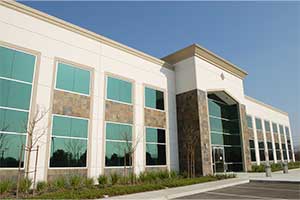
Bel Aire Recovery Center
 4969 North Tierra Lakes Parkway
Wichita, KS. 67226
888-751-7273
Bel Aire Recovery Center is 20.6 miles from Newton, Kansas
Like other alcohol and drug rehabs, Bel Aire Recovery Center is dedicated to ongoing recovery for drug and alcohol addicts living in Newton, KS. and its surrounding areas. As such, this drug and alcohol rehab program has been offering services like group therapy, couple/family therapy, substance abuse counseling approach, cognitive/behavior therapy, relapse prevention, rational emotive behavioral therapy and more, which is in line with its philosophy of the treatments that actually work to help addicts recover from their condition (s).
Further, Bel Aire Recovery Center knows that it is essential that its patients receive individual focus and services to ensure that they are successful. They specialize in various programs such as persons with serious mental illness, co-occurring mental and substance abuse disorders, legal advocacy, persons who have experienced sexual abuse, social skills development, domestic violence and many other modes of treatment that you can find listed below. Each of the services that Bel Aire Recovery Center provides are also available in different settings - short term drug rehab centers, detoxification facilities, long term drug abuse treatment, inpatient drug addiction treatment, outpatient counseling and more.
This rehab also has aftercare plans and other treatment methods that can help you achieve lasting sobriety in the long term. Finally, Bel Aire Recovery Center accepts private pay, private medical insurance, military insurance, medicare, medicaid, state welfare or child and family services funds, state education funds and others.
Find Drug and Alcohol Treatment Centers in or around the following Kansas cities:
Top Cities For Recovery:
Commonly Asked Questions about Addiction and Treatment
What are relationship risk factors for drug and alcohol abuse?
Several relationship factors can increase the risk of developing a drug or alcohol abuse problem. These include:
- Peer Pressure: One of the most significant relationship risk factors, particularly among young people, is pressure from friends or peers to use substances. This can lead to experimental use, which can progress to misuse or addiction.
- Family History of Substance Abuse: Growing up in a family where substance misuse or addiction is present can increase the risk of developing similar problems. This can be due to both genetic factors and the modeling of substance use behaviors.
- Abusive or Dysfunctional Relationships: People who are in abusive or highly stressful relationships may turn to drugs or alcohol as a form of self-medication or escape.
- Enabling Behaviors: If a person's substance use is consistently enabled or excused by their partner, family, or friends, it can perpetuate a pattern of misuse and make it harder for them to recognize or address their problem.
- Isolation or Lack of Social Support: People who feel socially isolated or lack supportive relationships may be more prone to substance abuse. Drugs or alcohol can sometimes be used as a way to cope with feelings of loneliness or disconnection.
- Normalization of Substance Use: In some social or cultural contexts, frequent or heavy substance use may be considered normal or acceptable, which can increase the risk of abuse and addiction.
- Co-dependency: In co-dependent relationships, one person may depend on the other's drug or alcohol problem just as the substance user depends on the substance, creating a cycle that can exacerbate the problem.
Suicide risks from drug abuse among lgbtq+ youth
Substance abuse significantly increases the risk of suicide, particularly among vulnerable populations such as LGBTQ+ (lesbian, gay, bisexual, transgender, queer, and others) youth. This heightened risk stems from a combination of factors associated with both substance abuse and the unique challenges faced by LGBTQ+ youth. Here's a closer look at these factors:
Mental Health Disorders: Substance abuse often co-occurs with mental health disorders such as depression, anxiety, and bipolar disorder, which are known risk factors for suicide. LGBTQ+ youth experience these mental health conditions at higher rates than their heterosexual and cisgender peers, partially due to the minority stress they face.
Minority Stress: Minority stress refers to the chronic stress experienced by marginalized groups, including LGBTQ+ individuals. It can include experiences such as discrimination, stigma, bullying, and family rejection, which can increase feelings of hopelessness and contribute to both substance use and suicidal ideation.
Substance Use and Suicidal Behavior: Substance use can lead to increased impulsivity, decreased inhibition, and intensified feelings of despair, making a person more likely to attempt suicide. It can also exacerbate feelings of isolation and hopelessness, further increasing the risk.
Social Isolation: Many LGBTQ+ youth feel socially isolated, either because they are not out to their peers or because they face rejection after coming out. This isolation can lead to increased substance use and a higher risk of suicide.
Family Rejection: Family rejection related to an individual's sexual orientation or gender identity can lead to increased substance use and heightened suicide risk. LGBTQ+ youth who do not receive support from their families are particularly vulnerable.
Lack of Access to Mental Health Services: Many LGBTQ+ youth struggle to access mental health and substance use treatment services, which can help manage risk factors for suicide. Barriers to access can include lack of insurance, stigma, and a shortage of providers who offer LGBTQ+-inclusive care.
Intersectionality: LGBTQ+ youth who belong to other marginalized groups (e.g., racial/ethnic minorities) often face additional layers of discrimination and stress, which can further increase their risk of substance abuse and suicide.
Efforts to prevent suicide among LGBTQ+ youth include providing access to culturally competent mental health and substance use treatment, fostering supportive environments in schools and communities, and advocating for policies that protect LGBTQ+ youth from discrimination and harassment. It's also crucial to provide support for families of LGBTQ+ youth, as family acceptance has been shown to protect against suicide risk.
What are the signs of liver damage from alcoholism?
Alcoholism, or Alcohol Use Disorder (AUD), can lead to liver damage over time as the liver struggles to process excessive amounts of alcohol. Liver damage due to alcoholism can manifest in various ways, with signs ranging from mild to severe. Some common signs of liver damage from alcoholism include:
- Jaundice: One of the most recognizable signs of liver damage is the yellowing of the skin and eyes, known as jaundice. This occurs when the liver is unable to properly process bilirubin, a waste product that accumulates in the body.
- Abdominal pain: Individuals with liver damage may experience pain or discomfort in the upper right abdomen, where the liver is located.
- Swelling in the abdomen: Liver damage can lead to the accumulation of fluid in the abdominal cavity, a condition known as ascites. This can cause swelling and discomfort in the abdomen.
- Fatigue: Impaired liver function can result in persistent fatigue, weakness, and a general lack of energy.
- Dark urine: Liver damage can cause the urine to become darker in color, often appearing brown or tea-colored.
- Pale or bloody stools: Individuals with liver damage may notice pale, clay-colored, or bloody stools, indicating that the liver is struggling to process waste products.
- Bruising or bleeding easily: The liver plays a crucial role in blood clotting. When the liver is damaged, it may struggle to produce adequate clotting factors, resulting in easy bruising or prolonged bleeding from minor cuts or injuries.
- Loss of appetite: Liver damage can lead to a decreased appetite or unexplained weight loss.
- Nausea and vomiting: Impaired liver function can cause feelings of nausea or even vomiting.
- Itchy skin: Liver damage can result in the buildup of bile salts in the skin, leading to itchiness and irritation.
- Spider angiomas: Some individuals with liver damage may develop small, spider-like blood vessels visible beneath the skin, known as spider angiomas.
- Confusion or disorientation: In advanced cases of liver damage, toxins that would normally be filtered by the liver can build up in the bloodstream and affect brain function, leading to confusion, disorientation, or even coma.
It is important to seek medical attention if you or someone you know is experiencing signs of liver damage from alcoholism. Early diagnosis and intervention can help prevent further damage and improve the chances of recovery. Treatment may include abstaining from alcohol, making lifestyle changes, and addressing any underlying health conditions contributing to liver damage.
National Non Profit Helpline - 1-877-882-9275
Our National Non Profit Helpline is a 24/7, 365-day-a-year treatment referral and information service for individuals and families faced with mental and/or substance use disorders.
All calls are strictly confidential
Our service provides referrals to licensed treatment facilities, support groups, and community-based organizations. You don't have to struggle alone with addiction. Help is just a phone call away. Call 1-877-882-9275 now to get the help you need and deserve.
1-877-882-9275




