
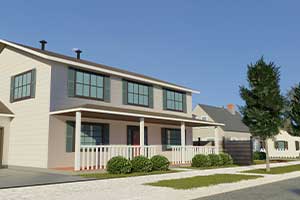
108 East Poplar Street
Olathe, KS. 66061
913-768-9777 x101
Olathe, KS has various treatment options: 3 low cost programs, 2 inpatient rehabs, 4 drug rehabs that take PPO insurance like Blue Cross Blue Shield, 0 detox center, 5 outpatient rehabs.

For help finding an addiction treatment center, Call us!
All calls are 100% confidential and free
1-877-882-9275


Preferred Family Healthcare Inc has long been dedicated to assisting individuals recovery after a period of alcohol and drug addiction. It has been doing this within Olathe, Kansas and in the surrounding areas for many years now. Preferred Family Healthcare Inc offers services like contingency management/motivational incentive, anger management, behavior modification, group therapy, motivational interviewing, matrix model - all of which represent their treatment philosophy. Preferred Family Healthcare Inc believes that clients need unique and individualized treatment approaches to achieve lasting recovery. This is why it offers several programs, like veterans, clients referred from the court/judicial system, clients with HIV/AIDS, aftercare/continuing care, residential beds for client's children, programs for the hearing impaired - among other services listed in the following sections.
Preferred Family Healthcare Inc offers short term drug rehab facilities, long term treatment centers, outpatient day treatment, inpatient treatment programs, inpatient detoxification programs and others. Further, Preferred Family Healthcare Inc has aftercare plans that are useful in helping clients after they check out of rehab. This drug and alcohol rehabilitation program also uses treatment types that can help you achieve lasting sobriety.
Finally, Preferred Family Healthcare Inc accepts private pay, private health insurance, medicare, medicaid, payment assistance, access to recovery (atr) voucher, other state funds, as well as others.
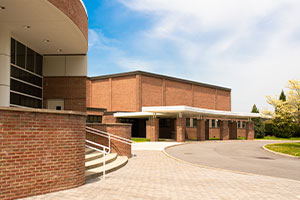
KidsTLC has long been dedicated to assisting its clients recovery after a period of substance abuse. It has been doing this within Olathe, KS. and in the surrounding communities for many years now. Today, KidsTLC offers services like contingency management/motivational incentive, anger management, behavior modification, group therapy, motivational interviewing, matrix model - which are all in line with their philosophy of the treatments and rehabilitation programs that work. KidsTLC believes that clients need specially tailored treatment programs to achieve recovery. This is why it offers various programs, like veterans, clients referred from the court/judicial system, clients with HIV/AIDS, aftercare/continuing care, residential beds for client's children, programs for the hearing impaired - among other services listed in the following sections.
KidsTLC offers short term drug abuse treatment, long term drug rehab programs, outpatient substance abuse treatment services, inpatient treatment centers, detoxification programs and others. KidsTLC has continued recovery programs that are useful in helping clients after they complete treatment. This alcohol and drug rehab facility also uses treatment methods that can help you create both lasting and permanent stability.
Finally, KidsTLC accepts private pay, private health insurance, medicaid, medicare, payment assistance, access to recovery (atr) voucher, other state funds, as well as others.
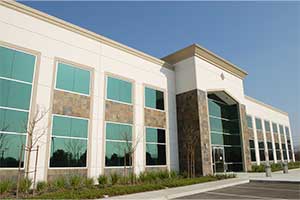
AppleCore Outpatient Treatment/Olathe has long been dedicated to assisting its clients recovery after a period of drug and alcohol addiction. It has been doing this within Olathe and in the surrounding communities for quite some time. Today, AppleCore Outpatient Treatment/Olathe provides services like contingency management/motivational incentive, anger management, behavior modification, group therapy, motivational interviewing, matrix model - which are all representative of their rehabilitation and treatment philosophies. In addition to, AppleCore Outpatient Treatment/Olathe believes that clients need specially tailored treatment programs to achieve recovery. This is why it offers several programs, like veterans, clients referred from the court/judicial system, clients with HIV/AIDS, aftercare/continuing care, residential beds for client's children, programs for the hearing impaired - among other services listed in the following sections.
In the same way, AppleCore Outpatient Treatment/Olathe offers short term addiction treatment programs, long term drug rehab programs, outpatient substance abuse treatment services, inpatient addiction treatment centers, detoxification programs and others. AppleCore Outpatient Treatment/Olathe has aftercare plans that are designed to help clients maintain their sobriety. This alcohol and drug rehab also uses treatment types that can help you achieve lasting sobriety.
Finally, AppleCore Outpatient Treatment/Olathe accepts cash or self-payment, private insurance, medicare, medicaid, payment assistance, access to recovery (atr) voucher, other state funds, as well as others.

Johnson County Mental Health Center has long been dedicated to helping its clients recovery after a period of alcohol and drug addiction. It has been doing this within Olathe, Kansas and in the surrounding communities for quite some time. Johnson County Mental Health Center provides services like contingency management/motivational incentive, anger management, behavior modification, group therapy, motivational interviewing, matrix model - which are all representative of their rehabilitation and treatment philosophies. Additionally, Johnson County Mental Health Center believes that clients need individual focus and treatment for them to find full recovery treatment. This is why it provides various programs, like veterans, clients referred from the court/judicial system, clients with HIV/AIDS, aftercare/continuing care, residential beds for client's children, programs for the hearing impaired - among other services listed in the following sections.
In the same way, Johnson County Mental Health Center offers short term addiction treatment facilities, long term drug and alcohol rehab facilities, intensive outpatient treatment, inpatient drug and alcohol rehabs, outpatient detox centers and others. Johnson County Mental Health Center has relapse prevention programs that are designed to help clients maintain their sobriety. This drug and alcohol rehab also uses treatment methods that can help you achieve and maintain a full recovery.
Finally, Johnson County Mental Health Center accepts cash or self-payment, private health insurance, medicaid, medicare, payment assistance, access to recovery (atr) voucher, other state funds, as well as others.
Yes, there are substance abuse rehabilitation facilities that cater specifically to the LGBTQ+ (lesbian, gay, bisexual, transgender, queer, and others) community. These specialized treatment centers recognize the unique challenges and stressors that LGBTQ+ individuals may face, which can contribute to and complicate recovery from substance use disorders.
These specialized LGBTQ+ rehabs offer a variety of services, including:
It's worth noting that while some individuals may prefer a LGBTQ+-specific rehab, others may feel comfortable in a more general rehab facility that offers LGBTQ+-inclusive services and staff training. The best choice depends on the individual's personal preferences and needs.
Helping someone afflicted with alcoholism requires a compassionate and supportive approach. The following steps can be useful in assisting an individual struggling with alcohol addiction:
Educate yourself: Learn about drug addiction, its causes, symptoms, and treatment options. Understanding the complexities of addiction will help you better empathize with the person and offer informed support.
National Non Profit Helpline - 1-877-882-9275
Our National Non Profit Helpline is a 24/7, 365-day-a-year treatment referral and information service for individuals and families faced with mental and/or substance use disorders.
All calls are strictly confidential
Our service provides referrals to licensed treatment facilities, support groups, and community-based organizations. You don't have to struggle alone with addiction. Help is just a phone call away. Call 1-877-882-9275 now to get the help you need and deserve.



© Copyright 1998 - 2022 All Rights Reserved. Content is protected under copyright laws, do not use content without written permission.


