Alcohol and Drug Rehabilitation Centers in Portage, IN
Portage, IN has nearby treatment options including: 4 medicaid treatment centers, 0 inpatient drug rehab, 4 drug rehabs that take private insurance like Blue Cross Blue Shield, 1 drug detox, 4 outpatient rehabs.
Get Help - Find a Rehab Center Today
Popular Searches for Drug and Alcohol Rehab in Portage, Indiana:
Skip To Rehab Listing
Alcohol and Drug Rehabilitation Service Settings and Approaches
Numerous addictive substances are readily attainable within the Portage region, such as: heroin, meth, alcohol, and cocaine.
The reasons that individuals begin using addictive substances varies. Often, what those who end up dependent on alcohol and drugs have in common is an inability to beat their reliance upon these substances on their own.
For these individuals, Portage provides several various programs so clients can search out one in a convenient environment such as: inpatient drug and alcohol rehab centers, inpatient detoxification centers, long term drug and alcohol rehabs, outpatient counseling, short term drug rehab centers.
These rehabilitation centers use a variety of approaches, ranging from traditional approaches to newer methods, to offer individuals with a successful evidence-based path to sustained recovery. These approaches may include: brief intervention approach, group therapy, contingency management/motivational incentive, rational emotive behavioral therapy, group therapy, substance abuse counseling approach.
Special Programs for Substance Abuse Treatment
Since addiction has an effect on every person differently, local programs provide special services including active duty military, social skills development, persons with post-traumatic stress disorder, clients referred from the court/judicial system, persons with eating disorders, programs for the hearing impaired to help match a client's treatment to their individual needs.
People facing alcohol and drug use can get instruction in choosing the proper treatment for their needs by getting in touch with any of the area's addiction centers.
Drug Rehab Center Payment Alternatives
Funding should not be an obstacle to rehabilitation for people struggling with alcohol and drug use. That is the reason nearby rehabs offer several payment options, like private pay, private insurance, payment assistance, military insurance, state welfare or child and family services funds, access to recovery (atr) voucher, to help clients' distinct financial circumstances.
People who are seeking drug and alcohol rehabilitation can find a center, program, resource, and payment method within the Portage area that will help them to overcome their substance abuse problem and start the life they want to lead.
Dr. Gina M Jansheski, M.D.

Dr. Po-Chang Hsu, M.D., M.S.

Renee Warmbrodt, RN, MSN, CPNP-PC

Alcohol and Drug Treatment Facilities Serving the Portage, Indiana Area:
 3176 Lancer Street
Portage, IN. 46368
219-762-9557
Porter-Starke Services Inc has been offering recovery rehabilitation to people who reside in Portage, Indiana and who are battling with substance abuse disorders. As such, Porter-Starke Services Inc provides a range of services including brief intervention approach, group therapy, contingency management/motivational incentive, rational emotive behavioral therapy, group therapy, substance abuse counseling approach and others using its unique philosophy of evidence based approaches to addiction recovery and treatment.
This treatment program also believes that results are best achieved by providing individual services to each client. To this end, it has been specializing in a wide range of personalized treatments like active duty military, social skills development, persons with post-traumatic stress disorder, clients referred from the court/judicial system, persons with eating disorders, programs for the hearing impaired and more. In the same way, this addiction treatment program offers these services in the following settings - inpatient treatment centers, detoxification centers, long term rehab centers, outpatient substance abuse counseling, short term rehab centers and more.
Porter-Starke Services Inc also ensures lasting sobriety and stability by promoting a robust aftercare program. Lastly, Porter-Starke Services Inc accepts these payment forms - including private pay, private health insurance, payment assistance, military insurance, state welfare or child and family services funds, access to recovery (atr) voucher and others.
Semoran Treatment Center Metro Treatment of Gary LP

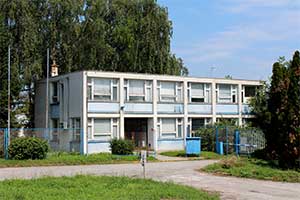 8000 Melton Road
Gary, IN. 46403
219-938-4651
Semoran Treatment Center is 3.3 miles from Portage, Indiana
New Season provides methadone and Suboxone treatment programs combined with addiction counseling.
Care Counseling Services
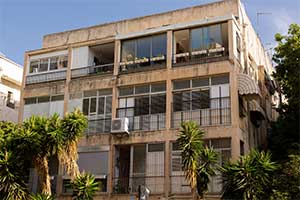 793 Juniper Road
Valparaiso, IN. 46385
219-759-6760
Care Counseling Services is 3.3 miles from Portage, IN
Care Counseling Services has been providing recovery rehab to people who reside in and around Portage and who are fighting with drug and alcohol abuse issues. As such, Care Counseling Services provides a variety of services including brief intervention approach, group therapy, contingency management/motivational incentive, rational emotive behavioral therapy, group therapy, substance abuse counseling approach and others applying its unique philosophy of evidence based approaches to addiction treatment and recovery.
This rehabilitation center also thinks that each client benefits most from individualized services. To this end, it has been specializing in a wide collection of personalized treatments like active duty military, social skills development, persons with post-traumatic stress disorder, clients referred from the court/judicial system, persons with eating disorders, programs for the hearing impaired and more. In the same way, this alcohol and drug rehab center provides these treatments in the following settings - inpatient drug rehab programs, detoxification programs, long term drug and alcohol rehab programs, outpatient day treatment, short term rehab facilities and more.
Care Counseling Services also ensures lasting sobriety and stability by promoting a robust aftercare program. Lastly, Care Counseling Services accepts these payment forms - including private pay, private health insurance, payment assistance, military insurance, state welfare or child and family services funds, access to recovery (atr) voucher and others.
NorthShore Health Centers Chesterton
 1008 Broadway
Chesterton, IN. 46304
219-763-8112
NorthShore Health Centers is 5.8 miles from Portage, IN
NorthShore Health Centers has been offering addiction treatment to individuals who reside in Portage, IN. and who are battling with alcohol and drug abuse issues. As such, NorthShore Health Centers offers a wide variety of services including brief intervention approach, group therapy, contingency management/motivational incentive, rational emotive behavioral therapy, group therapy, substance abuse counseling approach and others using its unique approaches to addiction treatment and recovery.
This rehabilitation program also believes that the best results for clients are gotten from individualized services. Because of this, it has been specializing in a wide variety of personalized treatments like active duty military, social skills development, persons with post-traumatic stress disorder, clients referred from the court/judicial system, persons with eating disorders, programs for the hearing impaired and more. In the same way, this drug and alcohol rehab program provides these services in the following settings - inpatient rehab centers, outpatient detox centers, long term rehab centers, outpatient day treatment, short term rehabs and more.
NorthShore Health Centers also ensures lasting sobriety and stability by promoting a robust aftercare program. Lastly, NorthShore Health Centers accepts these forms of payment - including private pay, private insurance, payment assistance, military insurance, state welfare or child and family services funds, access to recovery (atr) voucher and others.
Find Drug and Alcohol Treatment Centers in or around the following Indiana cities:
Top Cities For Recovery:
Commonly Asked Questions about Addiction and Treatment
Can family members visit me if I go into a drug rehab program?
Yes, in many cases, family members can visit you if you go into a drug rehab program, but the specific policies regarding visitation can vary greatly from one facility to another. Here are some general points to consider:
- Initial Period of Adjustment: Many rehab programs have a period of adjustment when you first enter treatment during which visitors may not be allowed. This period allows you to focus on your recovery without external distractions.
- Scheduled Visitation Times: Most inpatient rehab centers have specific visitation hours or designated visitation days. It's essential to check with the specific facility to understand their policies.
- Family Therapy Sessions: Many rehab programs include family therapy as part of the treatment process. These sessions can be an opportunity for family members to engage in the recovery process and understand more about addiction and how to support their loved one in recovery.
- Rules and Regulations: Rehab facilities usually have rules and regulations for visitors to ensure the safety and well-being of all patients. For example, visitors may be asked not to bring certain items into the facility, like substances that could be misused or trigger cravings.
- COVID-19 Considerations: Due to the ongoing COVID-19 pandemic, some facilities may have restricted visitation policies to protect the health of their patients and staff. Be sure to inquire about any such restrictions.
Please note that the information provided here is general, and it's important to consult with the specific rehab facility you or your loved one are considering for accurate and up-to-date information about their visitation policies.
What are substance abuse factors for lgbtq+ individuals?
Substance abuse among LGBTQ+ (lesbian, gay, bisexual, transgender, queer, and others) individuals is influenced by a range of factors. These factors often intersect and can compound the risk for developing substance use disorders. Some of the primary factors include:
- Minority Stress: Minority stress refers to the additional stressors experienced by marginalized groups, such as LGBTQ+ individuals. This includes experiences of discrimination, stigma, harassment, and violence due to their sexual orientation or gender identity. This chronic stress can contribute to increased substance use as a coping mechanism.
- Mental Health: LGBTQ+ individuals are at a higher risk for certain mental health disorders, including depression, anxiety, and post-traumatic stress disorder. These mental health conditions can increase the risk of substance use and substance use disorders.
- Social Isolation and Rejection: The process of coming out to family and friends can sometimes result in rejection or loss of social support. This isolation and rejection can increase feelings of loneliness and despair, which may contribute to substance use.
- Internalized Homophobia or Transphobia: Internalized homophobia or transphobia refers to negative feelings, beliefs, and biases about one's own sexual orientation or gender identity. This internalized stigma can lead to lower self-esteem and increased risk of substance abuse.
- Lack of Access to Culturally Competent Healthcare: Many healthcare providers lack training in LGBTQ+ health issues, including substance use disorders, leading to barriers in access to effective, culturally competent treatment.
- Social Environments and Norms: Certain LGBTQ+ social settings, such as bars or clubs, often center around alcohol or other substance use, which may normalize and facilitate substance abuse.
- Trauma: LGBTQ+ individuals experience higher rates of certain types of trauma, such as physical or sexual abuse, hate crimes, or bullying, which can increase the risk of substance use disorders.
What does fentanyl do to a person?
Fentanyl is a synthetic opioid pain reliever that is 50 to 100 times more potent than morphine. It's typically used to treat severe pain, especially after surgery, or to manage pain in individuals with chronic illnesses who have developed a tolerance to other opioids.
When used under medical supervision, fentanyl can effectively relieve pain. However, when used illicitly or without a prescription, it can have severe, and even fatal, effects. Here's what fentanyl can do to a person:
Physical Effects: In the short term, fentanyl can induce feelings of relaxation, euphoria, and decreased perception of pain. However, it also slows breathing and can lead to unconsciousness or death from respiratory failure, particularly in high doses or when combined with other substances that depress the central nervous system.
Dependency and Addiction: Fentanyl is highly addictive. Regular use can lead to physical dependence, where the body requires the drug to function normally, and psychological addiction, where a person feels a compulsive need to use the drug despite its harmful consequences.
Overdose Risk: Due to its potency, the risk of overdose with fentanyl is high, especially if a person mistakenly believes they're taking a less potent opioid, as illicit fentanyl is often mixed with other drugs. Overdose can lead to severe respiratory depression, unconsciousness, and death.
Withdrawal: Once a person becomes dependent on fentanyl, stopping its use can result in withdrawal symptoms. These can include muscle and bone pain, sleep problems, diarrhea, vomiting, cold flashes, and uncontrollable leg movements.
Long-Term Health Effects: Chronic fentanyl use can lead to an array of health problems, including severe constipation, increased sensitivity to pain, confusion, depression, and increased risk of infections due to needle sharing (if injected).
Due to its potency and high risk of overdose, non-medical use of fentanyl is extremely dangerous. If you or someone you know is struggling with fentanyl or other opioid use, it's crucial to seek professional help immediately.
National Non Profit Helpline - 1-877-882-9275
Our National Non Profit Helpline is a 24/7, 365-day-a-year treatment referral and information service for individuals and families faced with mental and/or substance use disorders.
All calls are strictly confidential
Our service provides referrals to licensed treatment facilities, support groups, and community-based organizations. You don't have to struggle alone with addiction. Help is just a phone call away. Call 1-877-882-9275 now to get the help you need and deserve.
1-877-882-9275




