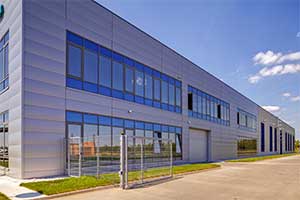
431 East Main Street
Bloomfield, IN. 47424
812-384-9452
Bloomfield, IN has several nearby treatment choices including: 6 low cost treatment centers, 1 inpatient rehab center, 4 drug rehabs that take private insurance like UnitedHealthCare, 0 detox center, 3 outpatient treatment programs.

For help finding an addiction treatment center, Call us!
All calls are 100% confidential and free
1-877-882-9275


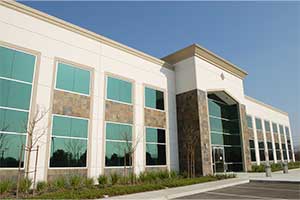
Legacy Associates Inc has long been dedicated to assisting individuals recovery after a period of abusing drugs and alcohol. It has been doing this within Bloomfield, Indiana and in the surrounding areas for quite some time. Legacy Associates Inc offers services like group therapy, anger management, relapse prevention, dialectical behavior therapy, individual psychotherapy, cognitive/behavior therapy - all of which represent their treatment philosophy. In addition, Legacy Associates Inc believes that clients need specially tailored treatment programs to achieve recovery. This is why it provides various programs, like persons with serious mental illness, clients referred from the court/judicial system, legal advocacy, persons who have experienced sexual abuse, self-help groups, domestic violence - among other services listed in the following sections.
Legacy Associates Inc offers outpatient substance abuse counseling, inpatient addiction treatment facilities, short term treatment facilities, long term addiction treatment centers, inpatient detoxification programs and others. Further, Legacy Associates Inc has aftercare plans that are useful in helping clients after they complete treatment. This addiction treatment center also uses treatment methods that can help you achieve and maintain a full recovery.
Finally, Legacy Associates Inc accepts private health insurance, private pay, medicare, medicaid, sliding fee scale, state corrections or juvenile justice funds, county or local government funds, as well as others.
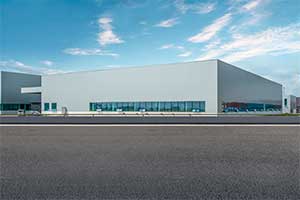
NewDay Center has long been dedicated to helping its clients recovery after a period of alcohol and drug addiction. It has been doing this within Bloomfield, IN. and in the surrounding areas for quite some time. Today, NewDay Center provides services like group therapy, anger management, relapse prevention, dialectical behavior therapy, individual psychotherapy, cognitive/behavior therapy - which are all in line with their philosophy of the treatments and rehabilitation programs that work. In addition to, NewDay Center believes that clients need unique and individualized treatment approaches to achieve lasting recovery. This is why it offers various programs, like persons with serious mental illness, clients referred from the court/judicial system, legal advocacy, persons who have experienced sexual abuse, self-help groups, domestic violence - among other services listed in the following sections.
NewDay Center offers intensive outpatient treatment, inpatient addiction treatment programs, short term rehab facilities, long term drug and alcohol rehab facilities, detox programs and others. NewDay Center has relapse prevention programs that are useful in helping clients after they check out of rehab. This alcohol and drug treatment program also uses treatment types that can help you achieve lasting sobriety.
Finally, NewDay Center accepts private medical insurance, cash or self-payment, medicare, medicaid, sliding fee scale, state corrections or juvenile justice funds, county or local government funds, as well as others.


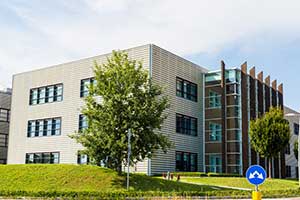
Limestone Health Bloomington is 18.4 miles from Bloomfield, IN
Limestone Health Bloomington has long been dedicated to assisting individuals recovery after a period of abusing drugs and alcohol. It has been doing this within Bloomfield and in the surrounding communities for many years now. Limestone Health Bloomington offers services like group therapy, anger management, relapse prevention, dialectical behavior therapy, individual psychotherapy, cognitive/behavior therapy - which are all in line with their philosophy of the treatments and rehabilitation programs that work. Limestone Health Bloomington believes that clients need unique and individualized treatment approaches to achieve lasting recovery. This is why it provides several programs, like persons with serious mental illness, clients referred from the court/judicial system, legal advocacy, persons who have experienced sexual abuse, self-help groups, domestic violence - among other services listed in the following sections.
Limestone Health Bloomington offers outpatient counseling, inpatient drug addiction treatment, short term drug rehab facilities, long term rehab centers, outpatient detoxification programs and others. Limestone Health Bloomington has relapse prevention programs that are designed to help clients maintain their sobriety. This addiction treatment facility also uses treatment methods that can help you create both lasting and permanent stability.
Finally, Limestone Health Bloomington accepts private medical insurance, private pay, medicaid, medicare, sliding fee scale, state corrections or juvenile justice funds, county or local government funds, as well as others.
The most common substance use disorder globally is alcohol use disorder (AUD). This disorder, often referred to as alcoholism, is characterized by an impaired ability to stop or control alcohol use despite adverse social, occupational, or health consequences.
Alcohol use disorder is defined by the American Psychiatric Association in the Diagnostic and Statistical Manual of Mental Disorders (DSM-5) as a problematic pattern of alcohol use leading to clinically significant impairment or distress, as manifested by at least two of eleven criteria, within a 12-month period.
The criteria include issues like spending a lot of time drinking, or recovering from drinking, giving up important social or recreational activities in favor of drinking, developing a tolerance (needing to drink more to achieve the desired effect), experiencing withdrawal symptoms when not drinking, and continuing to drink even when it's causing physical or psychological problems.
It's important to note that substance use disorders can develop with the use of many different substances, including illicit drugs like cocaine or heroin, and legal substances like alcohol or prescription medications. The prevalence of these disorders can vary by region and demographic group.
Regardless of the substance involved, these disorders can have serious impacts on individuals' physical and mental health, relationships, and ability to work or study. Treatment can often help people with substance use disorders to recover and lead healthy lives. If you or someone you know is struggling with substance use, don't hesitate to seek professional help.
Substance Use Disorder, commonly known as addiction, is a complex condition that can significantly impact a person's judgment, perceptions, and decision-making abilities. Here are a few reasons why someone struggling with substance abuse might not fully realize the extent of the damage it's causing to their life:
Denial: It's common for individuals suffering from addiction to be in denial about the extent of their problem. They might underestimate how much or how often they use, or they may not acknowledge the negative consequences that their substance use is causing.
Altered Brain Function: Addiction affects the brain's reward system and impairs cognitive function. This can distort a person's ability to clearly see the harm that their substance use is causing. They may focus intensely on the immediate rewards of drug use while minimizing or ignoring the long-term negative consequences.
Co-occurring Disorders: Many people with Substance Use Disorder also have other mental health disorders, such as depression or anxiety. These conditions can exacerbate feelings of denial or self-deception about the extent of the substance abuse problem.
Fear and Shame: Fear of withdrawal, fear of change, and shame about their substance use can also prevent individuals from admitting to themselves or others the full extent of their problem.
Lack of Awareness: Some individuals may not understand the signs and symptoms of addiction, or they may not recognize that they can seek help and that recovery is possible.
SMART Recovery (Self-Management and Recovery Training) is a global community of mutual-support groups that provide a structured, scientifically grounded program to help people manage their recovery from any type of addictive behavior, including substance abuse and behavioral addictions.
SMART Recovery's approach is different from other recovery programs like Alcoholics Anonymous or Narcotics Anonymous, which are based on the 12-step model. Instead of focusing on the concept of "powerlessness" over addiction, SMART Recovery emphasizes self-empowerment and self-reliance. It promotes the ability of individuals to change their own thoughts and behaviors to overcome addiction.
The SMART Recovery program is based on principles of cognitive-behavioral therapy (CBT) and motivational interviewing. It is designed around a 4-point program:
SMART Recovery meetings, both in-person and online, are facilitated by trained volunteers and are free to attend, though donations are appreciated. The program also offers a variety of tools and techniques for self-empowerment and self-directed change, available in various formats such as handbooks, worksheets, and online resources.
National Non Profit Helpline - 1-877-882-9275
Our National Non Profit Helpline is a 24/7, 365-day-a-year treatment referral and information service for individuals and families faced with mental and/or substance use disorders.
All calls are strictly confidential
Our service provides referrals to licensed treatment facilities, support groups, and community-based organizations. You don't have to struggle alone with addiction. Help is just a phone call away. Call 1-877-882-9275 now to get the help you need and deserve.



© Copyright 1998 - 2022 All Rights Reserved. Content is protected under copyright laws, do not use content without written permission.

