Alcohol and Drug Rehab Programs in Seymour, Indiana
Seymour, IN has nearby treatment options including: 4 medicaid treatment centers, 0 inpatient drug rehab, 4 drug rehabs that take PPO insurance like BCBS, 1 drug detox, 4 outpatient rehabs.
Get Help - Find a Rehab Center Today
Popular Searches for Drug and Alcohol Rehab in Seymour, Indiana:
Skip To Rehab Listing
Drug and Alcohol Rehabilitation Facility Settings and Recovery Methods in Seymour, IN.
Those in Seymour who have a drug and alcohol addiction issue have many local substance abuse programs from which they can choose like: outpatient substance abuse treatment services, long term rehabs, short term addiction treatment programs, outpatient detoxification programs, inpatient addiction treatment facilities
In addition, individuals can pick from a range of approaches to their therapy in order to obtain the most effective care, such as: substance abuse counseling approach, brief intervention approach, matrix model, activity therapy, couple/family therapy, cognitive/behavior therapy
Special Programs for Substance Abuse Treatment
Alcohol and drug rehab programs in Seymour can also address a client's individual drug and alcohol treatment needs through a range of special programs. These services can include the following: social skills development, substance abuse education, residential beds for client's children, housing services, persons with post-traumatic stress disorder, child care for clients children
Treatment Payment Options
The cost of addiction treatment can be a concern for many patients and their families. That is why local drug and alcohol rehab centers offer several payment options that cater to the various financial realities of patients. Here are some of the payment types accepted by these rehab programs: cash or self-payment, private health insurance, military insurance, sliding fee scale, state welfare or child and family services funds, other state funds
On many occasions, these programs will work with clients to figure out the best form of payment for their needs.
Those who struggle with alcohol and drug addiction can receive effective care in Seymour, Indiana through a broad variety of rehabilitation centers, treatment methods, specialized programs, and payment options. The level of choice makes alcohol and drug treatment possible for a great deal of local residents in need.
Dr. Gina M Jansheski, M.D.

Dr. Po-Chang Hsu, M.D., M.S.

Renee Warmbrodt, RN, MSN, CPNP-PC

Drug and Alcohol Rehab Facilities Serving the Seymour, Indiana Area:
 105 West 2nd Street
Seymour, IN. 47274
812-271-2300
New Beginnings Recovery Center LLC is devoted to helping the people of Seymour and the surrounding areas to recovering from the problems and issues that arrive from drug an/or alcohol abuse. As such, New Beginnings Recovery Center LLC provides a wide range of services in line with their belief of treatments that work - including outpatient counseling, long term treatment programs, short term rehabs, detoxification centers, inpatient drug treatment and others.
New Beginnings Recovery Center LLC also feels that it is of the upmost importance that every person gets specific treatments that are tailored to their needs to help ensure treatment is a success. This is why it is specialized in a wide variety of treatment methods, including substance abuse counseling approach, brief intervention approach, matrix model, activity therapy, couple/family therapy, cognitive/behavior therapy and others. Additionally, New Beginnings Recovery Center LLC is specialized in social skills development, substance abuse education, residential beds for client's children, housing services, persons with post-traumatic stress disorder, child care for clients children, as well as other special programs. In general, the treatment services that this drug and alcohol treatment program uses aims to provide positive and lasting change for each individual.
Lastly, New Beginnings Recovery Center LLC accepts private pay, private insurance, military insurance, sliding fee scale, state welfare or child and family services funds, other state funds and more.
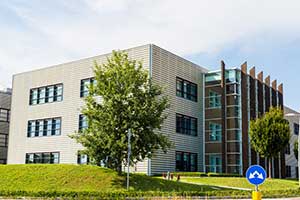 1443 Corporate Way
Seymour, IN. 47274
800-344-8802
In 2008, Centerstone affiliated with Indiana-based Center for Behavioral Health and Quinco Behavioral Health Systems to create the largest provider of community-based behavioral health services in the nation. Dunn Mental Health Centers joined with Centerstone in September 2009, furthering expanding our coverage area in Indiana. In July of 2014, The H Group of Illinois joined Centerstone, adding facilities in South Central Illinois. In July of 2015, Manatee Glens in Florida's South Tampa Bay became a part of Centerstone. And in November of 2016, Seven Counties Services in Kentucky became the latest non-profit to merge with our organization. With facilities throughout Middle Tennessee, Southern Indiana, the Louisville Metro area of Kentucky, South Central Illinois and South Tampa Bay, over 170,000 children, adolescents, adults, seniors and their families receive treatment for mental health and substance abuse issues at Centerstone each year.
LifeSpring Austin Medical Center

 2277 West Frontage Road
Austin, IN. 47102
812-413-3605
LifeSpring Austin Medical Center is 15.7 miles from Seymour, IN
LifeSpring Austin Medical Center is dedicated to assisting the residents of Seymour, IN. and the surrounding areas to getting their life back after struggling with substance abuse. Because of this, LifeSpring Austin Medical Center offers a wide array of services in line with their philosophy of treatments that work - including outpatient day treatment, long term drug treatment, short term addiction treatment programs, outpatient detoxification facilities, inpatient treatment centers and others.
LifeSpring Austin Medical Center also feels that it is crucial that every person gets uniquely tailored treatment to ensure their recovery. This is why it is specialized in a wide variety of treatment methods, including substance abuse counseling approach, brief intervention approach, matrix model, activity therapy, couple/family therapy, cognitive/behavior therapy and others. In addition, LifeSpring Austin Medical Center is specialized in social skills development, substance abuse education, residential beds for client's children, housing services, persons with post-traumatic stress disorder, child care for clients children, as well as other special programs. In general, the treatment methods that this drug and alcohol rehab facility uses aims to provide positive and lasting change for each individual.
Lastly, LifeSpring Austin Medical Center accepts private pay, private health insurance, military insurance, sliding fee scale, state welfare or child and family services funds, other state funds and more.
Saint Peters Lucheran Church Lifeworks Intensive Outpatient Program
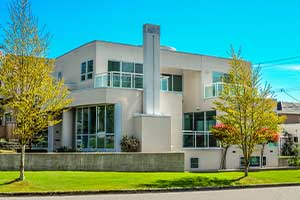 719 5th Street
Columbus, IN. 47201
812-372-1571
Saint Peters Lucheran Church is 17.3 miles from Seymour, Indiana
Saint Peters Lucheran Church is committed to helping the residents of Seymour, Indiana and the surrounding areas to find full recovery after a period of struggling with drug and alcohol addiction. As such, Saint Peters Lucheran Church accommodates a wide variety of services in line with their philosophy of treatments that work - including outpatient hospital programs, long term addiction treatment programs, short term drug addiction treatment, detoxification programs, inpatient drug and alcohol rehab centers and others.
Saint Peters Lucheran Church also feels that it is crucial that every individual client gets uniquely tailored treatment to ensure their recovery. This is why it is specialized in a wide variety of treatment modalities, including substance abuse counseling approach, brief intervention approach, matrix model, activity therapy, couple/family therapy, cognitive/behavior therapy and others. In addition, Saint Peters Lucheran Church is specialized in social skills development, substance abuse education, residential beds for client's children, housing services, persons with post-traumatic stress disorder, child care for clients children, as well as other special programs. In general, the treatment services that this alcohol and drug rehab center uses strive to achieve true and lasting sobriety for each of its clients.
Lastly, Saint Peters Lucheran Church accepts private pay, private health insurance, military insurance, sliding fee scale, state welfare or child and family services funds, other state funds and more.
Find Drug and Alcohol Treatment Centers in or around the following Indiana cities:
Top Cities For Recovery:
Commonly Asked Questions about Addiction and Treatment
How do I confront someone about their drug addiction?
Confronting someone about their drug addiction is a delicate task, requiring a compassionate, non-judgmental approach. It's crucial to express your concerns without inciting defensiveness. Here are some steps to guide you through this process:
- Educate Yourself: First, understand that addiction is a chronic brain disease, not a moral failing or a choice. Learn about the specific drugs your loved one is using, the signs of addiction, and potential treatment options. This knowledge will help you approach the conversation with empathy and provide credible information.
- Plan the Conversation: Choose a calm, private, and neutral setting to discuss your concerns. Ensure the person is sober and in a clear state of mind. It might be helpful to have another concerned friend or family member present, but avoid making the person feel cornered.
- Use "I" Statements: Frame your concerns in a way that focuses on your feelings and observations rather than casting blame. For example, "I have noticed that you've been missing work frequently and I'm worried," instead of, "You're ruining your life."
- Be Honest and Specific: Explain your concerns and the behaviors you've observed. Use specific instances and concrete examples when possible, but avoid sounding accusatory.
- Express Love and Concern: Make it clear that your intention comes from a place of love and concern. The goal is not to attack or criticize them, but to show that you care about their well-being.
- Listen: Allow them to share their feelings and thoughts without interruption. This is not just about you expressing your concerns but also about understanding their perspective.
- Avoid Arguing: The person may react defensively or deny the problem. While this can be frustrating, try to avoid arguments. Keep your focus on expressing your concern and encouraging them to get help.
- Suggest Professional Help: Let them know there are professional resources available for addiction, such as therapists, counselors, and rehabilitation centers. Encourage them to seek professional help, emphasizing that there is no shame in doing so.
- Consult a Professional: If you're unsure about how to approach the situation or if previous attempts have been unsuccessful, consider consulting a professional interventionist.
What is the Cognitive Behavioral Method for treating addiction?
"The Cognitive Behavioral Method, or Cognitive Behavioral Therapy (CBT), is an evidence-based psychological approach for treating addiction that focuses on identifying and modifying dysfunctional thought patterns, beliefs, and behaviors that contribute to substance use disorders. CBT is grounded in the understanding that an individual's thoughts, feelings, and behaviors are interconnected, and by changing maladaptive thought patterns and behaviors, they can better manage their emotions and reduce their reliance on addictive substances.
CBT for addiction treatment typically involves the following key components:
- Identifying triggers: The first step in CBT is to help individuals recognize the situations, thoughts, or emotions that trigger their substance use. This awareness enables them to develop strategies to manage these triggers effectively and avoid relapse.
- Challenging negative thoughts: CBT helps individuals recognize and challenge irrational or negative thoughts and beliefs that contribute to their addiction. By examining the evidence for and against these thoughts and replacing them with more balanced, rational alternatives, individuals can better control their emotions and behaviors.
- Developing healthy coping strategies: CBT focuses on teaching individuals new, adaptive coping skills to deal with stress, cravings, or negative emotions without resorting to substance use. These strategies may include relaxation techniques, problem-solving skills, assertiveness training, or time management, among others.
- Building self-efficacy: CBT helps individuals build confidence in their ability to cope with high-risk situations and resist the urge to use substances. This increased self-efficacy can contribute to long-term recovery and reduce the likelihood of relapse.
- Relapse prevention: CBT incorporates relapse prevention techniques to help individuals identify early warning signs of relapse and develop a plan to address these signs effectively. This may involve practicing coping strategies, seeking support from others, or making adjustments to their environment or daily routine.
CBT for addiction treatment can be delivered in individual, group, or family therapy settings and is often used in conjunction with other treatment modalities, such as medication-assisted treatment (MAT), peer support groups, or motivational interviewing. CBT has been found to be effective in treating various substance use disorders, including alcohol, opioid, and stimulant addiction, as well as co-occurring mental health disorders, such as anxiety and depression."
Why are drug addicts so manipulative?
Individuals struggling with addiction can sometimes exhibit manipulative behaviors, but it's essential to understand that this isn't a characteristic of the person themselves, but rather a manifestation of the disease of addiction. These behaviors are typically driven by a powerful compulsion to continue using substances, often rooted in physical dependency, fear of withdrawal, or a desire to escape from negative feelings.
Manipulative behaviors can manifest in various ways. For instance, a person may lie or deceive others about their substance use, make excuses, shift blame, or use emotional tactics to avoid confrontations about their behavior or to secure resources for continuing their drug use. Often, these individuals are not consciously trying to be deceptive or manipulative; instead, they are driven by the intense compulsion created by their addiction.
Addiction also affects brain functions, including those responsible for judgment, decision making, learning, memory, and behavior control. When the brain's reward system is hijacked by substance use, obtaining and using the substance can take priority over everything else, leading to behaviors that the individual might not exhibit otherwise.
It's worth noting that not every person with a substance use disorder exhibits manipulative behaviors, and if they do, it's not a sign of their character, but rather the severity of their disorder.
The development of manipulative behaviors signals a need for professional help. Substance use disorders are serious, and effective treatments often involve a combination of medication, therapy, and long-term follow-up. Therapies like cognitive-behavioral therapy (CBT) can help individuals understand their behaviors, develop healthier coping mechanisms, and rebuild damaged relationships. Family and loved ones can also benefit from guidance and support on how to navigate these challenges without enabling the addiction.
National Non Profit Helpline - 1-877-882-9275
Our National Non Profit Helpline is a 24/7, 365-day-a-year treatment referral and information service for individuals and families faced with mental and/or substance use disorders.
All calls are strictly confidential
Our service provides referrals to licensed treatment facilities, support groups, and community-based organizations. You don't have to struggle alone with addiction. Help is just a phone call away. Call 1-877-882-9275 now to get the help you need and deserve.
1-877-882-9275





