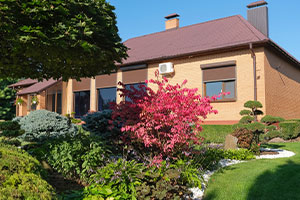
111 West Spring Street
Lagrange, IN. 46761
260-463-2999
Lagrange, IN has nearby choices for addiction treatment including: 2 medicare programs, 0 inpatient drug rehab, 2 drug rehabs that take private insurance like UnitedHealthCare, 1 detox center, 4 outpatient treatment programs.

For help finding an addiction treatment center, Call us!
All calls are 100% confidential and free
1-877-882-9275





Otis R Bowen Ctr for Human Serv Inc has been providing ongoing recovery care and rehabilitation services to the residents of Lagrange, IN. and those living within the surrounding communities. Today, Otis R Bowen Ctr for Human Serv Inc provides services like activity therapy, brief intervention approach, matrix model, motivational interviewing, group therapy, cognitive/behavior therapy and others in line with its philosophy of following rehab treatments that work best to help people achieve sobriety.
This drug and alcohol rehab facility also believes that individual care for each client is the best way to provide them with the best form of treatment. Services are available in the following settings - short term drug and alcohol rehab centers, outpatient detox facilities, outpatient substance abuse treatment services, inpatient drug and alcohol rehab centers, long term rehab facilities and others.
Otis R Bowen Ctr for Human Serv Inc also offers aftercare programs to ensure that its clients achieve positive outcomes both in the short and in the long term. Lastly, Otis R Bowen Ctr for Human Serv Inc accepts private pay, private insurance, payment assistance, medicare, medicaid, state corrections or juvenile justice funds, access to recovery (atr) voucher and others as payment forms.


NorthEastern Center Inc is 16.5 miles from Lagrange, Indiana
NorthEastern Center Inc has been providing ongoing recovery care and rehabilitation services to residents of the Lagrange area. Today, NorthEastern Center Inc provides services like activity therapy, brief intervention approach, matrix model, motivational interviewing, group therapy, cognitive/behavior therapy and others in keeping with its philosophy of following rehab treatments that work best to help addicts achieve recovery.
This addiction treatment facility also believes the best form of treatment to ensure success is to offer individualized care. Services are available in the following settings - short term drug rehab programs, outpatient detoxification centers, outpatient substance abuse counseling, inpatient drug rehab facilities, long term drug and alcohol rehab facilities and others.
For long term abstinence, sobriety and full recovery NorthEastern Center Inc offers an aftercare program. Lastly, NorthEastern Center Inc accepts private pay, private medical insurance, payment assistance, medicare, medicaid, state corrections or juvenile justice funds, access to recovery (atr) voucher and others as forms of payment.

A New Beginning is 23.8 miles from Lagrange, Indiana
A New Beginning has been offering ongoing recovery care and rehabilitation services to the residents of Lagrange, IN. and those living within the surrounding communities. Today, A New Beginning provides services like activity therapy, brief intervention approach, matrix model, motivational interviewing, group therapy, cognitive/behavior therapy and others in line with its philosophy of following rehab treatments that work best to help people achieve sobriety.
This alcohol and drug treatment facility also believes that individual care for each client is the best way to provide them with the best form of treatment. Services are available in the following settings - short term rehab centers, outpatient detoxification facilities, outpatient counseling, inpatient addiction treatment centers, long term treatment programs and others.
For long term abstinence, sobriety and full recovery A New Beginning offers an aftercare program. Lastly, A New Beginning accepts private pay, private medical insurance, payment assistance, medicaid, medicare, state corrections or juvenile justice funds, access to recovery (atr) voucher and others as forms of payment.
Individuals struggling with addiction can sometimes exhibit manipulative behaviors, but it's essential to understand that this isn't a characteristic of the person themselves, but rather a manifestation of the disease of addiction. These behaviors are typically driven by a powerful compulsion to continue using substances, often rooted in physical dependency, fear of withdrawal, or a desire to escape from negative feelings.
Manipulative behaviors can manifest in various ways. For instance, a person may lie or deceive others about their substance use, make excuses, shift blame, or use emotional tactics to avoid confrontations about their behavior or to secure resources for continuing their drug use. Often, these individuals are not consciously trying to be deceptive or manipulative; instead, they are driven by the intense compulsion created by their addiction.
Addiction also affects brain functions, including those responsible for judgment, decision making, learning, memory, and behavior control. When the brain's reward system is hijacked by substance use, obtaining and using the substance can take priority over everything else, leading to behaviors that the individual might not exhibit otherwise.
It's worth noting that not every person with a substance use disorder exhibits manipulative behaviors, and if they do, it's not a sign of their character, but rather the severity of their disorder.
The development of manipulative behaviors signals a need for professional help. Substance use disorders are serious, and effective treatments often involve a combination of medication, therapy, and long-term follow-up. Therapies like cognitive-behavioral therapy (CBT) can help individuals understand their behaviors, develop healthier coping mechanisms, and rebuild damaged relationships. Family and loved ones can also benefit from guidance and support on how to navigate these challenges without enabling the addiction.
Methadone, Suboxone (a combination of buprenorphine and naloxone), and Subutex (buprenorphine) are medications used in Medication-Assisted Treatment (MAT) for opioid use disorders. Their primary purpose in the recovery process is to help manage withdrawal symptoms and reduce cravings, facilitating a safer, more comfortable transition to abstinence or long-term management of the disorder. Here's a more detailed look at how each of these medications function:
Methadone: Methadone is a long-acting opioid agonist, which means it activates the same receptors in the brain that other opioids like heroin, morphine, or prescription painkillers do. However, it does so more slowly and for a longer duration, without causing the intense euphoria associated with misuse of those drugs. This helps to mitigate withdrawal symptoms and cravings, enabling individuals to function more normally in daily life.
Suboxone: Suboxone contains two active ingredients: buprenorphine and naloxone. Buprenorphine is a partial opioid agonist, meaning it activates the opioid receptors in the brain, but to a lesser extent than full agonists like heroin or methadone. This can help manage cravings and withdrawal symptoms without producing the high associated with opioid misuse. Naloxone is an opioid antagonist, meaning it blocks the effects of opioids. It's included in Suboxone to discourage misuse of the medication; if someone tries to inject Suboxone, the naloxone will trigger withdrawal symptoms.
Subutex: Subutex is the brand name for buprenorphine alone. Like in Suboxone, buprenorphine in Subutex serves to lessen withdrawal symptoms and reduce cravings. It is typically used in the initial stages of treatment, while Suboxone is more commonly used for maintenance.
These medications are typically used as part of a comprehensive treatment plan that also includes counseling and behavioral therapies. It's important to note that while these medications can be highly effective in supporting recovery, they should be used under the guidance of a healthcare provider due to the risk of misuse and potential side effects. Each individual's treatment plan should be tailored to their unique needs and circumstances to ensure the best possible outcomes.
"Paying for addiction treatment can be a significant concern for individuals and families seeking help. However, there are various options available to help cover the costs, making it more accessible to those in need. Here are some common ways to pay for addiction treatment:
National Non Profit Helpline - 1-877-882-9275
Our National Non Profit Helpline is a 24/7, 365-day-a-year treatment referral and information service for individuals and families faced with mental and/or substance use disorders.
All calls are strictly confidential
Our service provides referrals to licensed treatment facilities, support groups, and community-based organizations. You don't have to struggle alone with addiction. Help is just a phone call away. Call 1-877-882-9275 now to get the help you need and deserve.



© Copyright 1998 - 2022 All Rights Reserved. Content is protected under copyright laws, do not use content without written permission.
