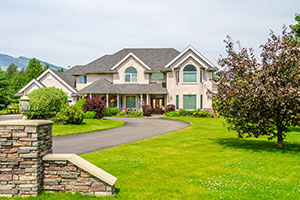
952 South Main Street
Martinsville, IN. 46151
800-344-8802
Martinsville, IN has several nearby treatment choices including: 6 low cost treatment centers, 0 inpatient treatment center, 2 drug rehabs that take PPO insurance like Cigna, 0 drug and alcohol detox, 4 outpatient treatment programs.

For help finding an addiction treatment center, Call us!
All calls are 100% confidential and free
1-877-882-9275



Advantage Counseling is known for dedicating its addiction services to the people who struggle with substance use disorders in Martinsville, IN. and within the surrounding neighborhoods.
Programs are offered on an individual basis to ensure clients find full recovery in the long term. Advantage Counseling also specializes in individual psychotherapy, dual diagnosis drug rehab, vocational rehabilitation services, group therapy, dialectical behavior therapy, matrix model, and others - as well as many other treatment modalities such as legal advocacy, persons who have experienced sexual abuse, persons with serious mental illness, transgender or (LGBT) clients, clients with HIV/AIDS, substance abuse education, and more.
Additionally, Advantage Counseling has programs such as long term treatment programs, short term addiction treatment centers, detoxification programs, inpatient addiction treatment centers, outpatient hospital programs for clients with addictions to drugs and alcohol. The alcohol and drug rehab center uses treatment modalities that can provide lasting stability to any person with an alcohol and drug abuse issue. Finally, Advantage Counseling accepts individuals with different kinds of payment methods - including private insurance, private pay, sliding fee scale, military insurance, state corrections or juvenile justice funds, county or local government funds and others.


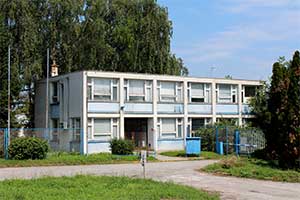
Centerstone of Indiana Inc is 9.7 miles from Martinsville, IN
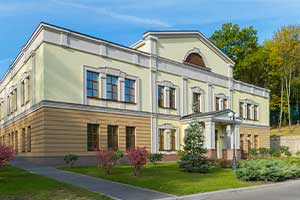
Advantage Counseling is 17.3 miles from Martinsville, IN
Advantage Counseling is known for dedicating its recovery services to the people who struggle with drug and alcohol use issues in Martinsville, IN. and within the surrounding neighborhoods.
Programs are offered on an individualized basis to make sure clients find full recovery in the long term. Advantage Counseling has also specialized in individual psychotherapy, dual diagnosis drug rehab, vocational rehabilitation services, group therapy, dialectical behavior therapy, matrix model, and others - as well as many other treatment modalities such as legal advocacy, persons who have experienced sexual abuse, persons with serious mental illness, transgender or (LGBT) clients, clients with HIV/AIDS, substance abuse education, and more.
Additionally, Advantage Counseling has programs such as long term drug and alcohol rehab centers, short term drug and alcohol rehab centers, inpatient detoxification centers, inpatient drug rehab facilities, outpatient individual counseling for clients with addictions to alcohol and drugs. The addiction treatment facility uses treatment methods that can provide permanent stability to any person with an alcohol and drug use disorder. Finally, Advantage Counseling accepts individuals with different kinds of payment methods - including private insurance, cash or self-payment, sliding fee scale, military insurance, state corrections or juvenile justice funds, county or local government funds and others.
Addiction to drugs and alcohol is a complex process involving a combination of genetic, environmental, psychological, and social factors. While not everyone who uses drugs or alcohol will become addicted, certain factors can increase an individual's vulnerability to addiction. Some key factors contributing to addiction include:
Drug addiction significantly impacts the brain's structure and function. Here are the key effects:
"Denial is a common characteristic of many people struggling with substance abuse. It involves refusing to accept the reality of their addiction and its damaging consequences. There are several reasons why this denial occurs:
Fear: Admitting a problem means confronting the reality of addiction, including the perceived pain of withdrawal, the work of recovery, and potential stigma. Fear of these challenges can drive a person to deny their problem.
Guilt and Shame: Addiction often brings feelings of guilt and shame. Denial serves as a defense mechanism to avoid these difficult emotions.
Cognitive Impairment: Substance abuse can physically alter brain function, impairing judgment, memory, and self-awareness, making it harder for individuals to recognize or admit they have a problem.
Perception of Normality: If substance use is a daily occurrence, it can seem normal to the person doing it. They may think everyone else is doing the same or that their usage is acceptable or controlled.
Rationalization and Minimization: Individuals with substance use disorders often rationalize their behavior ("I only use on weekends") or minimize the consequences ("I still have my job, so it's not a problem").
Avoidance of Responsibility: Acknowledging the addiction implies a responsibility to change. Denial helps avoid this responsibility.
National Non Profit Helpline - 1-877-882-9275
Our National Non Profit Helpline is a 24/7, 365-day-a-year treatment referral and information service for individuals and families faced with mental and/or substance use disorders.
All calls are strictly confidential
Our service provides referrals to licensed treatment facilities, support groups, and community-based organizations. You don't have to struggle alone with addiction. Help is just a phone call away. Call 1-877-882-9275 now to get the help you need and deserve.



© Copyright 1998 - 2022 All Rights Reserved. Content is protected under copyright laws, do not use content without written permission.
