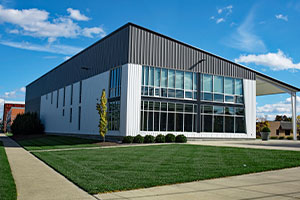
118 East Washington Street
Hartford City, IN. 47348
765-348-1303
Hartford City, IN has nearby treatment options including: 6 low cost programs, 0 inpatient rehab center, 3 drug rehabs that take private insurance like Blue Cross Blue Shield, 1 drug detox, 4 outpatient rehabs.

For help finding an addiction treatment center, Call us!
All calls are 100% confidential and free
1-877-882-9275





Muncie Treatment Center LLC is 17.4 miles from Hartford City, IN
Muncie Treatment Center LLC has long been dedicated to assisting individuals recovery after a period of substance abuse. It has been doing this within Hartford City, Indiana and in the surrounding communities for quite some time. Muncie Treatment Center LLC offers services like rational emotive behavioral therapy, dual diagnosis drug rehab, vocational rehabilitation services, dialectical behavior therapy, motivational interviewing, cognitive/behavior therapy - all of which represent their treatment philosophy. In addition to, Muncie Treatment Center LLC believes that clients need unique and individualized treatment approaches to achieve lasting recovery. This is why it provides several programs, like persons who have experienced sexual abuse, social skills development, persons with eating disorders, residential beds for client's children, seniors or older adults, active duty military - among other services listed in the following sections.
Muncie Treatment Center LLC offers outpatient counseling, short term drug rehab facilities, long term drug and alcohol rehab facilities, inpatient addiction treatment facilities, detoxification programs and others. Further, Muncie Treatment Center LLC has continued recovery programs that are designed to help clients maintain their sobriety. This drug and alcohol rehab facility also uses treatment methods that can help you create both lasting and permanent stability.
Finally, Muncie Treatment Center LLC accepts private insurance, cash or self-payment, medicaid, medicare, military insurance, other state funds, state welfare or child and family services funds, as well as others.

Family Service Society Inc is 17.9 miles from Hartford City, IN
Family Service Society Inc has long been dedicated to assisting its clients recovery after a period of drug and alcohol addiction. It has been doing this within Hartford City, IN. and in the surrounding areas for many years now. Family Service Society Inc offers services like rational emotive behavioral therapy, dual diagnosis drug rehab, vocational rehabilitation services, dialectical behavior therapy, motivational interviewing, cognitive/behavior therapy - all of which represent their treatment philosophy. Family Service Society Inc believes that clients need specially tailored treatment programs to achieve recovery. This is why it offers several programs, like persons who have experienced sexual abuse, social skills development, persons with eating disorders, residential beds for client's children, seniors or older adults, active duty military - among other services listed in the following sections.
Family Service Society Inc offers outpatient counseling, short term drug rehab facilities, long term drug and alcohol rehab centers, inpatient treatment facilities, detox facilities and others. Family Service Society Inc has relapse prevention programs that are useful in helping clients after they complete treatment. This substance abuse treatment facility also uses treatment types that can help you achieve lasting sobriety.
Finally, Family Service Society Inc accepts private health insurance, private pay, medicare, medicaid, military insurance, other state funds, state welfare or child and family services funds, as well as others.


IU Health Ball is 19.1 miles from Hartford City, IN
IU Health Ball has long been dedicated to helping individuals recovery after a period of alcohol and drug addiction. It has been doing this within Hartford City and in the surrounding areas for many years now. IU Health Ball provides services like rational emotive behavioral therapy, dual diagnosis drug rehab, vocational rehabilitation services, dialectical behavior therapy, motivational interviewing, cognitive/behavior therapy - which are all representative of their rehabilitation and treatment philosophies. IU Health Ball believes that clients need specially tailored treatment programs to achieve recovery. This is why it offers several programs, like persons who have experienced sexual abuse, social skills development, persons with eating disorders, residential beds for client's children, seniors or older adults, active duty military - among other services listed in the following sections.
In the same way, IU Health Ball offers outpatient hospital programs, short term drug and alcohol rehabs, long term addiction treatment centers, inpatient rehabs, detoxification programs and others. Further, IU Health Ball has relapse prevention programs that are useful in helping clients after they check out of rehab. This alcohol and drug treatment program also uses treatment types that can help you achieve lasting sobriety.
Finally, IU Health Ball accepts private insurance, private pay, medicare, medicaid, military insurance, other state funds, state welfare or child and family services funds, as well as others.
The ability to send someone to rehab against their will is highly dependent on the specific laws and regulations of your location. In general, in many jurisdictions, including most states in the U.S., adults cannot be forced into rehab without their consent unless certain legal criteria are met.
However, in some cases where the person poses a danger to themselves or others, a process known as "involuntary commitment" may be possible. This generally involves a court order and typically requires proof that the person is unable to make rational decisions about their health and safety due to their substance use. The specifics of this process, including the standards of proof and the length of time a person can be held, vary widely by jurisdiction.
For minors, parents or guardians typically have the legal right to place their child into a treatment program without the child's consent. Again, the exact laws vary by jurisdiction.
Even if it's legally possible to send someone to rehab against their will, it's important to note that involuntary treatment can be controversial and is not always the most effective approach. Addiction treatment typically requires active participation and a personal commitment to recovery for the best chances of success. Instead, consider engaging a professional interventionist or counselor who can help facilitate a conversation about the person's substance use and the benefits of treatment.
In all cases, it's important to consult with a legal professional in your area to understand the legalities around involuntary treatment. It's also crucial to work with healthcare professionals to ensure that any actions taken are in the best interests of the person struggling with addiction.
While going "cold turkey," or suddenly stopping the use of opioids, might seem like a fast way to begin recovery, it's generally not recommended due to the severity of withdrawal symptoms and potential health risks.
Opioid withdrawal can be intensely uncomfortable and, in some cases, hazardous. Symptoms can include severe cravings, restlessness, muscle and bone pain, insomnia, diarrhea, vomiting, cold flashes, and involuntary leg movements. In severe cases, withdrawal can lead to serious dehydration or electrolyte imbalances.
Furthermore, abruptly stopping opioid use can significantly increase the risk of relapse. The discomfort of withdrawal symptoms may make it more difficult to stay abstinent, and an individual may be tempted to use again just to relieve these symptoms. If a person relapses and takes the same dose they were previously accustomed to, the risk of overdose is high because the body's tolerance to the substance has decreased.
For these reasons, opioid withdrawal should ideally be managed under the supervision of healthcare professionals. Medication-assisted treatment (MAT), which includes medications like methadone, buprenorphine (Suboxone), and naltrexone, can be used to help reduce withdrawal symptoms and cravings. These medications work by acting on the same brain receptors targeted by opioids, but they do so in a safer manner that helps to manage withdrawal and reduce the risk of relapse.
In addition to MAT, counseling and behavioral therapies are typically part of a comprehensive treatment program for opioid use disorder. These approaches can help individuals develop the skills and strategies needed to maintain recovery in the long term.
When addressing a family member's addiction to drugs, it is essential to approach the conversation with empathy, understanding, and a non-judgmental attitude. Here are some steps to consider when discussing this sensitive topic:
National Non Profit Helpline - 1-877-882-9275
Our National Non Profit Helpline is a 24/7, 365-day-a-year treatment referral and information service for individuals and families faced with mental and/or substance use disorders.
All calls are strictly confidential
Our service provides referrals to licensed treatment facilities, support groups, and community-based organizations. You don't have to struggle alone with addiction. Help is just a phone call away. Call 1-877-882-9275 now to get the help you need and deserve.



© Copyright 1998 - 2022 All Rights Reserved. Content is protected under copyright laws, do not use content without written permission.
