Advocates for Wellness LLC
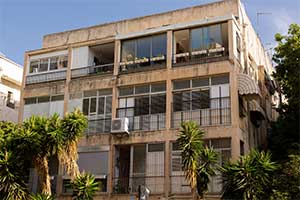
120 Vista Way
Kennewick, WA. 99336
509-783-8833
Advocates for Wellness LLC is 16.5 miles from Wallula, WA
Wallula, WA has nearby choices for addiction treatment including: 3 medicaid programs, 0 inpatient treatment center, 3 drug rehabs that take PPO insurance like Cigna, 0 drug and alcohol detox, 4 outpatient treatment programs.

For help finding an addiction treatment center, Call us!
All calls are 100% confidential and free
1-877-882-9275


Advocates for Wellness LLC is 16.5 miles from Wallula, WA
First Step Comm Counseling Servs LLC is 17.1 miles from Wallula, WA
Umatilla County Human Services is 24 miles from Wallula, Washington
Umatilla County Human Services has made a name for itself by dedicating its addiction services to the people who struggle with substance use disorders in the Wallula, WA. area.
Programs are provided on an individualized basis to make sure people find full recovery in the long term. Umatilla County Human Services has also specialized in dialectical behavior therapy, contingency management/motivational incentive, group therapy, brief intervention approach, couple/family therapy, substance abuse counseling approach, and others - as well as other treatment modalities such as programs for the hearing impaired, active duty military, residential beds for client's children, veterans, domestic violence, suicide prevention services, and more.
Additionally, Umatilla County Human Services has programs such as inpatient addiction treatment centers, intensive outpatient treatment, long term rehabs, short term drug and alcohol rehabs, detoxification facilities for verifiable addictions to alcohol and drugs. The substance abuse treatment center uses treatment methods that can provide permanent stability to anyone with a substance use issue. Finally, Umatilla County Human Services accepts individuals with different types of payment methods - including private insurance, cash or self-payment, military insurance, sliding fee scale, access to recovery (atr) voucher, state welfare or child and family services funds and others.
Somerset Counseling Center is 24.1 miles from Wallula, Washington
Somerset Counseling Center is known for dedicating its recovery services to the individuals who struggle with drug and alcohol abuse disorders in the Wallula, WA. area.
Services are offered on an individual basis to make sure clients find full recovery in the long term. Somerset Counseling Center also specializes in dialectical behavior therapy, contingency management/motivational incentive, group therapy, brief intervention approach, couple/family therapy, substance abuse counseling approach, and others - as well as other treatment modalities such as programs for the hearing impaired, active duty military, residential beds for client's children, veterans, domestic violence, suicide prevention services, and more.
Additionally, Somerset Counseling Center has programs such as inpatient drug abuse treatment, intensive outpatient treatment, long term addiction treatment programs, short term treatment facilities, outpatient detoxification programs for verifiable addictions to drugs and alcohol. The drug and alcohol treatment program uses treatment modalities that can provide lasting and permanent stability to any person with a substance use problem. Finally, Somerset Counseling Center accepts individuals with different types of payment methods - including private insurance, private pay, military insurance, sliding fee scale, access to recovery (atr) voucher, state welfare or child and family services funds and others.
National Non Profit Helpline - 1-877-882-9275
Our National Non Profit Helpline is a 24/7, 365-day-a-year treatment referral and information service for individuals and families faced with mental and/or substance use disorders.
All calls are strictly confidential
Our service provides referrals to licensed treatment facilities, support groups, and community-based organizations. You don't have to struggle alone with addiction. Help is just a phone call away. Call 1-877-882-9275 now to get the help you need and deserve.



© Copyright 1998 - 2022 All Rights Reserved. Content is protected under copyright laws, do not use content without written permission.
