Drug and Alcohol Rehab Centers in Grandview, WA
Grandview, WA has nearby treatment options including: 3 low cost programs, 0 inpatient rehab, 4 drug rehabs that take PPO insurance like Cigna, 0 drug detox, 4 outpatient treatment programs.
Get Help - Find a Rehab Center Today
Popular Searches for Drug and Alcohol Rehab in Grandview, Washington:
Skip To Rehab Listing
With addiction treatment easily available, people struggling with drug and alcohol addiction can find assistance within their local area.
Substance Abuse Treatment Facility Settings and Treatment Approaches In Grandview
The types of rehab facilities in Grandview can include the following: outpatient substance abuse counseling, short term rehabs, inpatient rehab programs, long term drug and alcohol rehab facilities, outpatient detoxification centers.
Individuals seeking rehab can find conveniently located programs close by with an array of recovery methods made for effective rehabilitation. These techniques, which include both long-established and newer practices, can consist of the following: substance abuse counseling approach, matrix model, individual psychotherapy, contingency management/motivational incentive, trauma-related counseling, vocational rehabilitation services.
Programs Addressing Special Requirements for Addiction Recovery
Alcohol and drug abuse can vary based upon factors, like the kind of drug driving the addiction. Many rehabilitation programs in the Grandview area provide programs purposed to customize rehab to a client's unique needs. These programs include the following: active duty military, co-occurring mental and substance abuse disorders, persons who have experienced sexual abuse, persons with serious mental illness, child care for clients children, domestic violence.
Clients who are not sure what their requirements are can get in touch with these centers to obtain patient services that can lead them toward the right program.
Paying For Recovery - Payment Options & Alternatives
People struggling with substance abuse come from differing financial circumstances, but a variety of financing options makes recovery financially accessible for anybody. Financing alternatives include the following: private pay, private insurance, payment assistance, medicare, medicaid, state corrections or juvenile justice funds, state education funds.
Those looking for treatment can contact a rehab facility to learn more about what funding opportunities are available to them.
Grandview, WA.'s substance abuse centers, services, and payment alternatives provide those struggling with substance abuse an opportunity to start a lasting recovery plan.
Dr. Gina M Jansheski, M.D.

Dr. Po-Chang Hsu, M.D., M.S.

Renee Warmbrodt, RN, MSN, CPNP-PC

Alcohol and Drug Rehabs Serving the Grandview, Washington Area:
 242 Division Street
Grandview, WA. 98930
509-882-8012
Integrity Support Services LLC is known for dedicating its addiction services to the people who struggle with drug and alcohol use issues in the Grandview, Washington area.
Programs are provided on an individual basis to ensure clients achieve full recovery in the long term. Integrity Support Services LLC also specializes in substance abuse counseling approach, matrix model, individual psychotherapy, contingency management/motivational incentive, trauma-related counseling, vocational rehabilitation services, and others - as well as other treatment methods such as active duty military, co-occurring mental and substance abuse disorders, persons who have experienced sexual abuse, persons with serious mental illness, child care for clients children, domestic violence, and more.
Additionally, Integrity Support Services LLC has programs such as outpatient day treatment, short term drug and alcohol rehab programs, inpatient addiction treatment centers, long term drug and alcohol rehab centers, inpatient detox facilities for verifiable addictions to alcohol and drugs. The drug and alcohol rehab center uses treatment methods that can provide lasting and permanent stability to anyone with a substance abuse issue. Finally, Integrity Support Services LLC accepts individuals with different types of payment methods - including cash or self-payment, private health insurance, payment assistance, medicare, medicaid, state corrections or juvenile justice funds, state education funds and others.
MERIT Resource Services Sunnyside

 702 Franklin Avenue
Sunnyside, WA. 98944
509-837-7700
MERIT Resource Services is 6.5 miles from Grandview, WA
Our corporate name is The Valley Alcohol Council, Inc. We were founded in 1979 as the first outpatient alcohol and other drug treatment provider in the Lower Yakima Valley. We began to provide services as MERIT Resource Services in 1992. MERIT is a nonprofit organization governed by a volunteer Board of Directors. In July 2015, MERIT Resource Services merged with Alcohol Drug Dependency Services in Ellensburg and will continue to provide all programs as MERIT Resource Services in Yakima and Kittitas counties.
Innovation Resource Center
 533 South 6th Street
Sunnyside, WA. 98944
509-836-2400
Innovation Resource Center is 6.6 miles from Grandview, Washington
At Innovation Resource Center we provide counseling services that meet the requirements of the courts, probation officers, and attorneys helping clients through the process. These services include: DUI Assessments, DOT Assessments, Alcohol Assessments/Evaluations, Alcohol/Drug Information School (A/DIS), Stabilization, Intensive Outpatient Treatment, Continuing Care Services, Anger Management Assessments. With over a decade in the field of substance abuse we have the experience and determination to help you successfully maneuver the treatment process. Areas of expertise: Drug and Alcohol Assessment/Evaluation , Substance Abuse and Dependence, Outpatient Settings, Individual and Group Counseling.
Yakama Nation Tiinawit Program
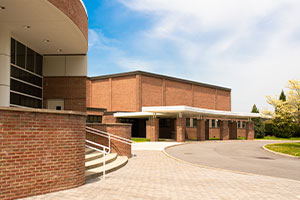 20 Gunnyon Road
Toppenish, WA. 98948
509-865-5121 x4455
Yakama Nation Tiinawit Program is 22.2 miles from Grandview, WA
Yakama Nation Tiinawit Program has made a name for itself by dedicating its recovery services to the individuals who struggle with substance abuse disorders in the Grandview, Washington area.
Services are provided on an individual basis to ensure people achieve full recovery in the long term. Yakama Nation Tiinawit Program has also specialized in substance abuse counseling approach, matrix model, individual psychotherapy, contingency management/motivational incentive, trauma-related counseling, vocational rehabilitation services, and others - as well as other treatment methods such as active duty military, co-occurring mental and substance abuse disorders, persons who have experienced sexual abuse, persons with serious mental illness, child care for clients children, domestic violence, and more.
Additionally, Yakama Nation Tiinawit Program has programs such as intensive outpatient treatment, short term drug and alcohol rehabs, inpatient rehabs, long term addiction treatment centers, detoxification centers for verifiable addictions to alcohol and drugs. The alcohol and drug treatment program uses treatment modalities that can provide lasting stability to any person with an alcohol and drug use disorder. Finally, Yakama Nation Tiinawit Program accepts individuals with different kinds of payment methods - including private pay, private insurance, payment assistance, medicare, medicaid, state corrections or juvenile justice funds, state education funds and others.
Find Drug and Alcohol Treatment Centers in or around the following Washington cities:
Top Cities For Recovery:
Commonly Asked Questions about Addiction and Treatment
What is the first step I must take to get sober?
The journey to sobriety begins with recognizing that there's a problem and deciding to make a change. Here are the steps you might consider:
Admitting the Problem: The first step towards getting sober is acknowledging that your substance use is causing problems in your life and that you need to make a change. This step can be challenging, as it requires honesty and self-reflection.
Seeking Help: Once you've recognized the problem, the next step is to reach out for help. This could involve talking to a trusted friend or family member, a healthcare provider, or a mental health professional. They can offer support and guidance as you navigate your next steps.
Assessment and Diagnosis: A healthcare professional, such as a doctor or a counselor specializing in addiction, can provide a comprehensive evaluation to understand the extent of your substance use and any co-occurring mental health conditions. This assessment will help guide your treatment plan.
Detoxification: If you're physically dependent on a substance, medically supervised detoxification may be necessary. This process manages the acute physical symptoms of withdrawal that occur when you stop taking the substance.
Treatment Plan: Based on your assessment, a personalized treatment plan will be created. This could involve a combination of individual counseling, group therapy, medication-assisted treatment, and supportive care. Treatment might be provided in various settings, including inpatient rehab, outpatient clinics, or through telehealth services.
Support Networks: Building a strong support network is crucial for maintaining sobriety. This could include sober friends and family, support groups like Alcoholics Anonymous or Narcotics Anonymous, and ongoing therapy or counseling.
Ongoing Recovery and Maintenance: Sobriety is a lifelong journey. Once you've completed a treatment program, it's important to have a plan in place to maintain your sobriety. This might involve ongoing therapy, regular attendance at support group meetings, and self-care practices to manage stress.
Remember, it's okay to ask for help, and it's never too late to start the journey to recovery. Everyone's path to sobriety is different, and what works best will depend on your individual circumstances, including the nature of your substance use, your personal history, and your support network.
What does drug addiction do to a person?
Drug addiction, also known as Substance Use Disorder (SUD), is a complex condition that affects an individual's brain and behavior, leading to an inability to control the use of drugs despite harmful consequences. Drug addiction can impact a person in various ways, including physical, psychological, social, and emotional aspects of their life. Some of the effects of drug addiction include:
- Physical health problems: Chronic drug use can lead to numerous health issues, ranging from mild to severe. These may include weakened immune system, cardiovascular problems, liver damage, lung diseases, kidney damage, and increased risk of infectious diseases, such as HIV and Hepatitis C.
- Mental health issues: Drug addiction often co-occurs with mental health disorders, such as depression, anxiety, and bipolar disorder. Substance use can exacerbate existing mental health conditions or lead to the development of new ones.
- Cognitive impairment: Prolonged drug use can impair cognitive functions, such as memory, attention, decision-making, and problem-solving skills. This can impact an individual's ability to function effectively in daily life and may result in poor academic or work performance.
- Emotional instability: Drug addiction can lead to emotional instability, mood swings, and increased irritability, which can strain personal relationships and affect overall well-being.
- Social isolation: Individuals with drug addiction may withdraw from social activities, hobbies, or relationships, leading to isolation and loneliness. They may also prioritize drug-seeking behaviors over other aspects of their life, further damaging social connections.
- Financial difficulties: The cost of obtaining drugs, combined with reduced work performance or job loss, can lead to financial strain and potentially result in homelessness or dependence on others for support.
- Legal problems: Drug addiction may increase the likelihood of engaging in illegal activities, such as theft or drug trafficking, to support drug use. This can lead to arrest, incarceration, or other legal consequences.
- Increased risk of overdose: Chronic drug use increases the risk of accidental overdose, which can result in severe health complications or death.
- Family and relationship issues: Drug addiction can strain family relationships and lead to instability within the household, as well as negatively impact the emotional and physical well-being of children in the family.
What are relationship risk factors for drug and alcohol abuse?
Several relationship factors can increase the risk of developing a drug or alcohol abuse problem. These include:
- Peer Pressure: One of the most significant relationship risk factors, particularly among young people, is pressure from friends or peers to use substances. This can lead to experimental use, which can progress to misuse or addiction.
- Family History of Substance Abuse: Growing up in a family where substance misuse or addiction is present can increase the risk of developing similar problems. This can be due to both genetic factors and the modeling of substance use behaviors.
- Abusive or Dysfunctional Relationships: People who are in abusive or highly stressful relationships may turn to drugs or alcohol as a form of self-medication or escape.
- Enabling Behaviors: If a person's substance use is consistently enabled or excused by their partner, family, or friends, it can perpetuate a pattern of misuse and make it harder for them to recognize or address their problem.
- Isolation or Lack of Social Support: People who feel socially isolated or lack supportive relationships may be more prone to substance abuse. Drugs or alcohol can sometimes be used as a way to cope with feelings of loneliness or disconnection.
- Normalization of Substance Use: In some social or cultural contexts, frequent or heavy substance use may be considered normal or acceptable, which can increase the risk of abuse and addiction.
- Co-dependency: In co-dependent relationships, one person may depend on the other's drug or alcohol problem just as the substance user depends on the substance, creating a cycle that can exacerbate the problem.
National Non Profit Helpline - 1-877-882-9275
Our National Non Profit Helpline is a 24/7, 365-day-a-year treatment referral and information service for individuals and families faced with mental and/or substance use disorders.
All calls are strictly confidential
Our service provides referrals to licensed treatment facilities, support groups, and community-based organizations. You don't have to struggle alone with addiction. Help is just a phone call away. Call 1-877-882-9275 now to get the help you need and deserve.
1-877-882-9275




